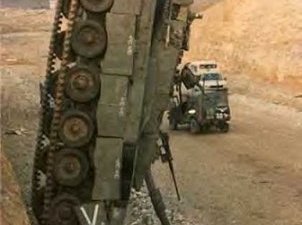
Is the Enemy Playing Along with Your Plan?

“‘That will depend on the enemy, sir. They might want to get stuck in all the same, despite our plans. That’s one thing in life the army teaches you early on: the other side doesn’t always play along with the plan.’.” (Scarrow, 2015, p.279). Reference Scarrow, S. (2015) Britannia. London: Headline Publishing Group.

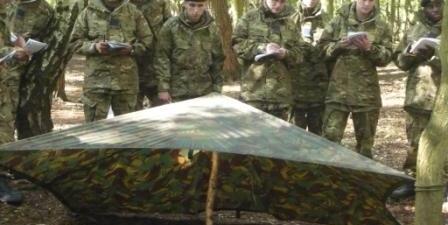
Soldiering: Training & Practice

“This was what proper soldiering was about. Training men for war, and then, if need be, putting that training into practice.” (Scarrow, 2015, p.60). Reference Scarrow, S. (2015) Britannia. London: Headline Publishing Group.

Military Operations: Pursuing Utopia!

“Normally, there is no ideal solution to military problems; every course has its advantages and disadvantages. One must select that which seems best from the most varied aspects and then pursue it resolutely and accept the consequences. Any compromise is bad.” (Rommel, 1953, p.201). Field-Marshal Erwin Rommel (the Desert Fox), World War I junior officer… Read More

Military Gamble or Strategical/Tactical Boldness

“It is my experience that bold decisions give the best promise of success. But one must differentiate between strategical or tactical boldness and a military gamble. A bold operation is one in which success is not a certainty but which in case of failure leaves one with sufficient forces in hand to cope with whatever… Read More

Prepared Positions: Motorised vs Non-motorised

“Non-motorised infantry divisions are only of value against a motorised and armoured enemy when occupying prepared positions. If these positions are pierced or outflanked, a withdrawal will leave them helpless victims of the motorised enemy, with nothing else to do but hold on in their positions to the last round.” (Rommel, 1953, p198). Field-Marshal Erwin… Read More

Desert Warfare: Decisive Factors

“Given equal leadership, equal training, equal supply conditions and air force, the primary decisive factors in desert warfare are the number and manoeuvrability of the tanks and the range of their guns; after that comes the number of field-guns and their range; and then, finally, the number of anti-tank guns, their range and calibre. If… Read More