

Pickleball rewards the athlete who can stop, change direction, and re-accelerate under control. Read More
Pickleball rewards the athlete who can stop, change direction, and re-accelerate under control. Read More
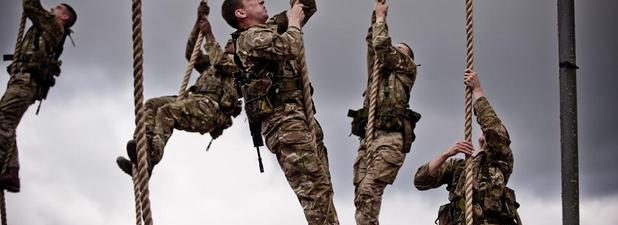
There are countless examples of military and ex-military personnel who have taken up martial arts; a good example is the US Marine Corps Martial Arts Programme (MCMAP) established in 2001. These rigorous training sessions do not fall hard on them because they are used to military-type drills. In fact, a workout plan for the ultimate… Read More
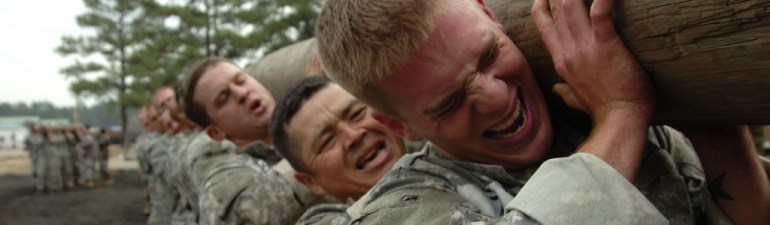
Research Paper Title Evaluation of the US Army Special Forces Tactical Human Optimization, Rapid Rehabilitation, and Reconditioning Program. Background The researchers sought to assess the rehabilitation process, training, performance, and injury rates among those participating and not participating in the Tactical Human Optimisation, Rapid Rehabilitation, and Reconditioning (THOR3) program and determine injury risk factors. Methods… Read More

Introduction You probably don’t go into your workout looking for mediocre results. Most likely, you are looking for a 100% return on every heartbeat, hard breath, drop of sweat, and extra rep since these are the currency of your exercise. Investing your time and energy in the gym should garner you the best results that… Read More

Research Paper Title The Hsp72 and Hsp90α mRNA Responses to Hot Downhill Running Are Reduced Following a Prior Bout of Hot Downhill Running, and Occur Concurrently within Leukocytes and the Vastus Lateralis. Background The leukocyte heat shock response (HSR) is used to determine individual’s thermotolerance. The HSR and thermotolerance are enhanced following interventions such as… Read More
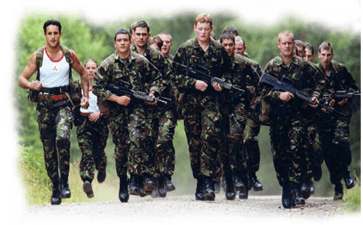
Research Paper Title The psychological benefits of recreational running: A field study. Background Running yields positive changes in affect, but the external validity of controlled studies has received little attention in the literature. Methods In this inquiry, 50 recreational runners completed the Exercise-Induced Feeling Inventory (Gauvin & Rejeskí, 1993) before and after a bout of… Read More

Discussion Paper Title If overuse injury is a ‘training load error’, should undertraining be viewed the same way? Extract Overuse injury is a ‘training load error’ Inappropriately high training loads cause overuse injuries. However, it has recently been proposed that overuse injuries should be considered in terms of both ‘overloading’ and ‘underloading’. The rationale is… Read More


