US Mental Illness Awareness Week (2019)

Mental Illness Awareness Week (MIAW) was established in 1990 by the United States (US) Congress in recognition of efforts by the National Alliance on Mental Illness (NAMI) to educate and increase awareness about mental illness. Hosted by the Mental Health Foundation, The UK version of Mental Health Awareness Week usually takes place in May each,… Read More

Do Suicide Typologies have Clinical & Policy Implications for Military Suicide Prevention?

Research Paper Title Suicide Typologies in the United States Air Force: A Hierarchical Cluster Analysis. Background This study describes characteristics of United States Air Force (USAF) suicide decedents and determines subgroups. Methods Retrospective review of demographic, psychiatric, event-related, and psychosocial variables for USAF suicide decedents in the Suicide Event Surveillance System database was conducted between… Read More

Does Inspiratory Muscle Training Improve Exercise Capacity with Thoracic Load Carriage?

Research Paper Title Inspiratory muscle training improves exercise capacity with thoracic load carriage. Background Thoracic load carriage (LC) exercise impairs exercise performance compared to unloaded exercise, partially due to impaired respiratory mechanics. The researchers investigated the effects of LC on exercise and diaphragmatic fatigue in a constant-load exercise task; and whether inspiratory muscle training (IMT)… Read More

Shooting Safety Gear You Need

Shooting is regarded as a challenging, but an enjoyable hobby. It is challenging because it entails the focus and precision to accurately hit your target. It can become frustrating at certain times, but with the proper technique and constant practice, you will soon find shooting as fun and enjoyable, and even a therapeutic way to… Read More

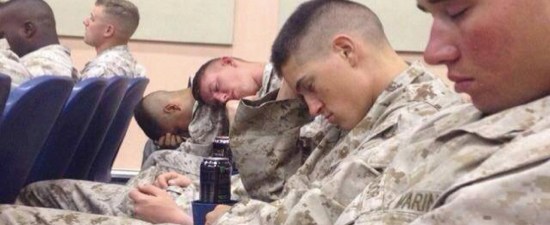
Military Recruits: Linking Upper Respiratory Tract Infection & Sleep

Research Paper Title Increased Risk of Upper Respiratory Infection in Military Recruits Who Report Sleeping Less Than 6 h per night. Background Professional sleep associations recommend 7-9 h of sleep per night for young adults. Habitually sleeping less than 6 h per night has been shown to increase susceptibility to common cold in otherwise healthy,… Read More