Leaner, Stronger, Faster: Weight Management for Operational Fitness

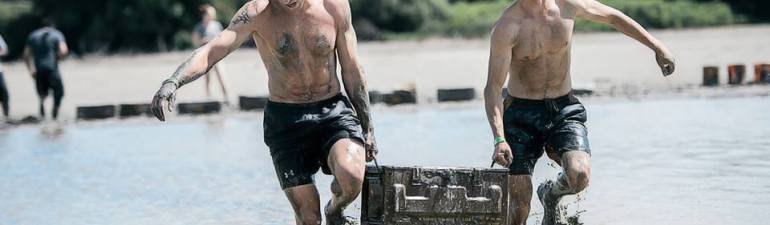
Introduction In military and tactical fitness environments, weight management is not about vanity – it is about viability. Whether you are navigating obstacle courses, marching under load, or reacting in high-pressure scenarios, every pound you carry either works for you or against you. For servicemembers, veterans, and high-output professionals, maintaining optimal body composition is a… Read More


What is Sports Periodisation?

Introduction Periodisation is a cyclical method of planning and managing athletic or physical training and involves progressive cycling of various aspects of a training program during a specific period. Conditioning programmes can use periodisation to break up the training programme into the off-season, pre-season, in-season, and the post-season. Periodisation divides the year round condition programme… Read More

Vagus Nerve Damage among Athletes: 7 Things You Didn’t Know

Introduction Health is one of the most critical factors for all types of athletes to deliver the highest level of performance. To maintain sound health, the vagus nerve plays a crucial part such as regulating heart rate, digestion, and breathing. Vagus nerve damage symptoms can lead to a variety of health issues and greatly impacts… Read More

Soldiers Future Injury Risk & Prevention Programmes to Reduce Medical Costs & Time Lost

Research Paper Title Identification of Risk Factors Prospectively Associated With Musculoskeletal Injury in a Warrior Athlete Population. Background Musculoskeletal injuries are a primary source of disability. Understanding how risk factors predict injury is necessary to individualise and enhance injury reduction programmes. Because of the multi-factorial nature of musculoskeletal injuries, multiple risk factors will provide a… Read More

Comparing the Anthropometric & Physiological Profiles of Military & Civilian Athletes

Research Paper Title A Multidimensional Approach to Assessing Anthropometric and Aerobic Fitness Profiles of Elite Brazilian Endurance Athletes and Military Personnel. Background Military personnel must remain physically active to meet operational requirements. Military physical training not only provides the performance capabilities required for performing occupational tasks but also fosters the development of sport. Thus, Armed… Read More

Training for Combat: The Ultimate Warrior’s Workout Plan

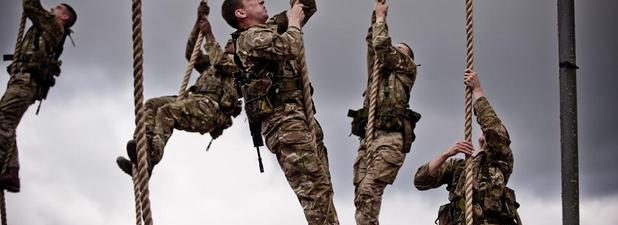
There are countless examples of military and ex-military personnel who have taken up martial arts; a good example is the US Marine Corps Martial Arts Programme (MCMAP) established in 2001. These rigorous training sessions do not fall hard on them because they are used to military-type drills. In fact, a workout plan for the ultimate… Read More

What is the History of Concussion & Risk of Subsequent Injury in Athletes & Service Members?

Research Paper Title History of concussion and risk of subsequent injury in athletes and service members: A systematic review and meta-analysis. Background Risk of secondary injury after a primary concussion in sports and military contexts is an emerging area of interest in research. The purpose of this review was to provide an evidence synthesis describing… Read More