Canada’s New Rules of War: When to Shoot a Child Soldier

“What do you do when the enemy taking aim at you is a nine-year-old? One of the worst dilemmas soldiers face is what to do when they confront armed children. International law and most military codes treat underage combatants mainly as innocent victims. They offer guidance on their legal rights and on how to interrogate and demobilise them. They have… Read More

Nephrolothiasis: US Navy Pilots & Kidney Stones

Research Paper Title A 10-Year Retrospective Review of Nephrolithiasis in the Navy and Navy Pilots. Background Little is known about the incidence of nephrolithiasis in the United States Navy. Navy pilots must be kidney stone-free and are often referred for treatment of small asymptomatic stones. The primary objectives of this study were to determine the… Read More

US Marine Corps Recruits & Pneumonia Burden

Research Paper Title Pneumonia at Marine Corps Recruit Depots: Current Trends in Ambulatory Encounters and Inpatient Discharges. Background Acute respiratory infections are recognised as a significant source of morbidity for military populations, particularly for recruits. This analysis aims to describe the pneumonia burden at Marine Corps Recruit Depots (MCRD) in Parris Island and San Diego… Read More

Fit for Duty: Malignant Hyperthermia Susceptibility

Research Paper Title Malignant Hyperthermia Susceptibility and Fitness for Duty. Background Malignant hyperthermia (MH) is an inherited hypermetabolic condition characterised by uncontrolled calcium release from the sarcoplasmic reticulum of skeletal muscle, usually from exposure to inhaled general anesthetics and/or the depolarising neuromuscular blocking agent succinylcholine. Multiple case reports now reveal that crises may be precipitated… Read More

Linking Sleep & Deployment in US Naval Personnel

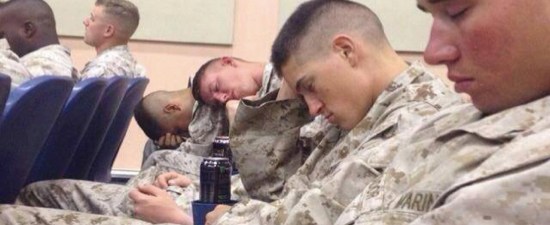
Research Paper Title Self-Reported Sleep During U.S. Navy Operations and the Impact of Deployment-Related Factors. Background Sleep disruption is a growing concern among military personnel. Very little is known, however, regarding sleep and associated factors in military members serving in combat environments. Methods The researchers sought to quantify the prevalence of sleep disruption among military… Read More

Waist-to-Height Ratio, Body Fat & Military Recruitment

Research Paper Title Proposing Using Waist-to-Height Ratio as the Initial Metric for Body Fat Assessment Standards in the U.S. Army. Background Soldiers failing to meet Army Regulation 600-9 (AR 600-9) for weight-to-height standards are required to undergo body fat taping assessment. This article describes a clinical performance improvement project in which battalion medical staff identified… Read More