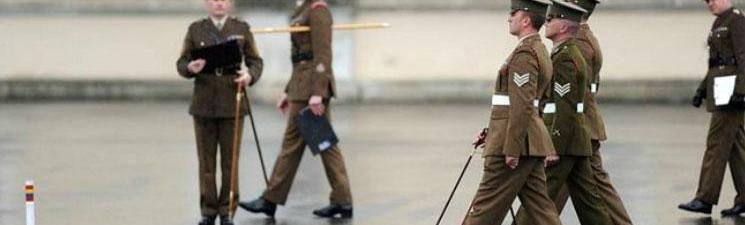
What are the Effects of British Army Footwear on Ground Reaction Force & Temporal Parameters during British Army Foot-Drill?

Research Paper Title The Effects of British Army Footwear on Ground Reaction Force and Temporal Parameters of British Army Foot-Drill. Background High rates of occupational training-related lower-limb musculoskeletal [MSK] overuse injuries are reported for British Army recruits during basic training. Foot-drill is a repetitive impact loading occupational activity and involves striking the ground violently with… Read More

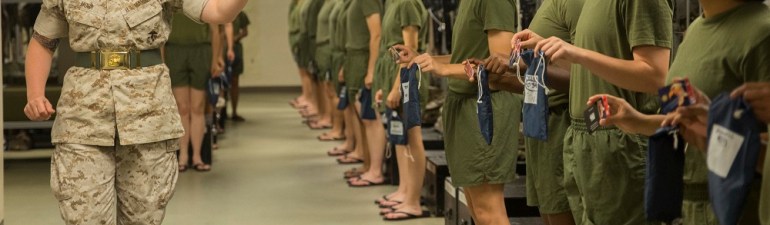
US Army Basic Combat Training (BCT): Highlighting the Association between Barracks Type & Acute Respiratory Infections (ARIs)

Research Paper Title Association Between Barracks Type and Acute Respiratory Infection in a Gender Integrated Army Basic Combat Training Population. Background Acute respiratory infections (ARIs) are the leading cause of acute morbidity and lost work time in the United States. Few studies have looked at building design and transmission of ARIs. Objectives This study explores… Read More

What is the Number of Royal Navy Personnel who Fail to Complete Phase 1 Initial Training (2010 to 2016)?

The Royal Navy (RN) has advised that in Training Year 2010/2011 there were around 180 personnel who failed Phase 1 Training and left the Navy. No RN personnel re-take the training – if need be, they are put back a few weeks, but unless they choose to leave the RN, they keep going until they… Read More

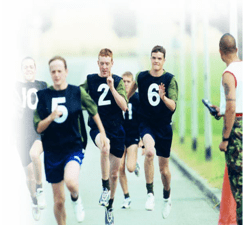
In What Week do British Army Recruits Start Running?

Running for British Army recruits commences in Week 7 with the outdoor training shoe (currently the Magnum Shoe Fitness Trainer). The speed of training runs are based on 75% maximum heart rate. The British Army no longer runs in boots as part of training activity. Reference FOI 2017/79625/05/01 dated 17 November 2017.

What are the Sex & Age Differences in Physical Performance between Army Basic Training & Operational Populations?

Research Paper Title Sex and age differences in physical performance: A comparison of Army basic training and operational populations. Background To determine the age- and sex-specific differences of physical fitness performances and Body Mass Index (BMI) in basic training and the operational Army. Cross-sectional Study. Methods This secondary analysis utilizes retrospective surveys of U.S. Army… Read More

Evaluating the Use of Methylsulfonylmethane versus Placebo to Prevent Knee Pain in Military Initial Entry Trainees

Research Paper Title A randomized controlled trial evaluating methylsulfonylmethane versus placebo to prevent knee pain in military initial entry trainees. Background Methylsulfonylmethane (MSM) is a naturally occurring sulfur containing substance that has been shown to have anti-inflammatory and antioxidative properties. Previous studies using MSM as an oral supplement to improve pain in those patients with… Read More

What is The Incidence of Military Training-related Injuries in Chinese New Recruits?

Research Paper Title The incidence of military training-related injuries in Chinese new recruits: a systematic review and meta-analysis. Background Training-related injuries are the main reason for disability, long-term rehabilitation, functional impairment and premature discharge from military service. The aim of this study was to identify the incidence of injuries in the training of Chinese new… Read More