British Army Mortars Course

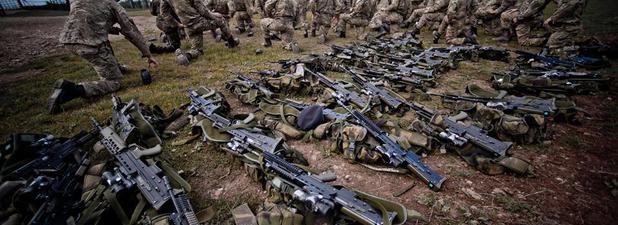
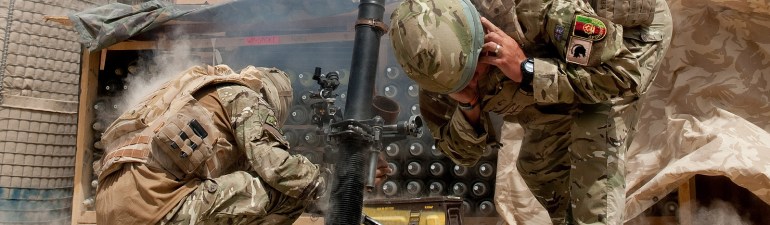
After completing their combined Phase 1 (basic) training and Phase (employment) training, known as the Combat Infantryman Course (CIC), newly qualified soldiers may attend the 4-week Mortars Course. The course has a number of challenging objectives that cover all aspects of mortaring, including: Exercises operating in offensive and defensive environments; and Exercises operating in rural… Read More
New ‘Dunker’ at RNAS Yeovilton

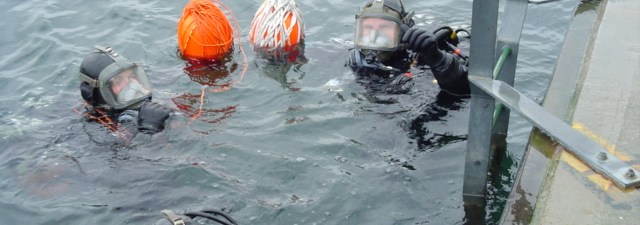
The Royal Navy Centre of Maritime SERE and Underwater Escape Training Facility, or ‘The Dunker’ for less of a mouthful, is a new facility opened at the Royal Naval Air Station (RNAS) Yeovilton in March 2018. The facility is essential for training personnel in escape techniques when aircraft and amphibious vehicles are operated over water. for… Read More

Decompressing Recompression Chamber Attendants: Oxygen vs Air Breathing

Research Paper Title Decompressing recompression chamber attendants during Australian submarine rescue operations. Background Inside chamber attendants rescuing survivors from a pressurised, distressed submarine may themselves accumulate a decompression obligation which may exceed the limits of Defense and Civil Institute of Environmental Medicine tables presently used by the Royal Australian Navy. This study assessed the probability… Read More

What are the Sex & Age Differences in Physical Performance between Army Basic Training & Operational Populations?

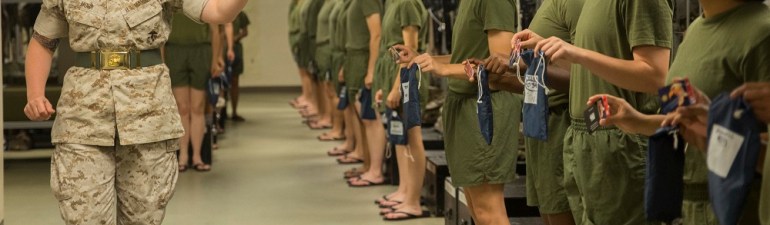
Research Paper Title Sex and age differences in physical performance: A comparison of Army basic training and operational populations. Background To determine the age- and sex-specific differences of physical fitness performances and Body Mass Index (BMI) in basic training and the operational Army. Cross-sectional Study. Methods This secondary analysis utilizes retrospective surveys of U.S. Army… Read More

What is the Role of Genetic Background in Susceptibility to Chemical Warfare Nerve Agents across Rodent and Non-human Primate Models?

Research Paper Title The role of genetic background in susceptibility to chemical warfare nerve agents across rodent and non-human primate models. Abstract Genetics likely play a role in various responses to nerve agent exposure, as genetic background plays an important role in behavioral, neurological, and physiological responses to environmental stimuli. Mouse strains or selected lines… Read More

How Does Sleep Restriction & Cognitive Load affect Performance on a Simulated Marksmanship Task?

Research Paper Title Sleep restriction and cognitive load affect performance on a simulated marksmanship task. Background Sleep restriction degrades cognitive and motor performance, which can adversely impact job performance and increase the risk of accidents. Military personnel are prone to operating under sleep restriction, and previous work suggests that military marksmanship may be negatively affected… Read More

Argentina: A Tragedy Prompts New Thinking on the Armed Forces

Argentines have given up hope of finding alive the 44 crew aboard the ARA San Juan, the most modern of the navy’s three submarines, which disappeared on 15 November 2017. On 23 November 2017 the navy said an explosion had been detected in the area where the submarine is thought to have been. The apparent… Read More