
Jokes & Presentations…

Research Paper Title Smoking Prevalence amongst UK Armed Forces Recruits: Changes in Behaviour after 3 years follow-up and Factors affecting Smoking Behaviour. Background The purpose of this study was to investigate smoking prevalence of Tri-Service recruits, and changes in smoking behaviour at 3-year follow-up, by trade group and gender. Associations with educational attainment and deprivation… Read More

The tendency for common processed foods such as crisps and biscuits to become cheaper over the past 30 years, while fruit and vegetables have become more expensive, is driving the obesity epidemic, a think tank has said. It recommends that governments consider introducing taxes on unhealthy foods and use these to subsidise other food groups.… Read More
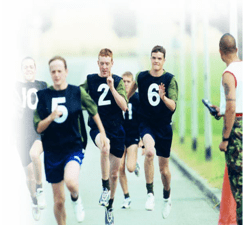
Research Paper Title Validation of One-mile Walk Equations for the Estimation of Aerobic Fitness in British Military Personnel under the Age of 40 years. Background To provide an accurate estimate of peak oxygen uptake (VO2 peak) for British Royal Navy Personnel aged between 18 and 39, comparing a gold standard treadmill based maximal exercise test… Read More

The effectiveness of placebo may depend on someone’s DNA, so writes The Economist. Give someone who is sick a sugar pill that you have told him is a powerful drug, and it will often make him feel better. Even if you tell him what it really is, he may still feel better. The placebo effect,… Read More


