Office Workers Told to Stand Up for at Least 2 Hours a Day

People whose jobs are predominantly desk based should be encouraged to stand up and walk about for at least two hours during each working day, says the first UK guidance developed to reduce the health risks of prolonged sitting at work. Growing evidence has shown links between a sedentary lifestyle and an increased risk of… Read More

What’s Wrong with Non-regulated Interventions & Trials?

The following article (written by Rafeal Dal-Re, Michael Bracken & John Ioannidis in the BMJ) is a timely reminder to authors, journalists and consumers about the pros and cons of non-regulated interventions and trials. Efforts to promote the availability of data from clinical trials have been led predominantly by regulators (EMA, 2014) or drug companies… Read More

The Seductive Appeal of Toxins

By Craig Sams replying in the New Scientist: “The discovery that nectar toxins are attractive to bees is not totally surprising (25 April, p 42). We’re all attracted to toxins. Fruit toxins and vegetable toxins are part of the “5 a day” that health authorities recommend. They are a key part of the aromas that our noses have evolved to identify as “delicious”.… Read More

Nature & DOMS (Delayed Onset Muscle Soreness)

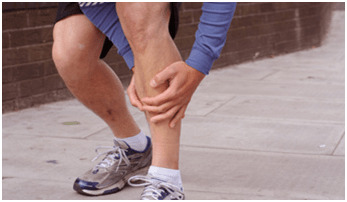
“Pain exists to get an animal to change its behaviour. This functional account of pain may explain some ongoing mysteries, such as the cause of the muscle soreness that follows a day of intense exercise, which has eluded physiological explanation. The popular idea that it is due to the build-up of lactic acid has been discounted, as have other proposed theories. Body builders… Read More

Invisibility & the Military: Where’s My Privates!

The US Army wants invisibility cloaks for its soldiers. Not just that – it has announced that it wants to test the best contenders within the next 18 months. Seems a bit unrealistic? Well, we may not be as far away as you think. In 2006, John Pendry, a theoretical physicist at Imperial College London, showed that it should be possible to bend… Read More

Cravings: Honey Trumps Money

Did your latest sugar hit leave you craving more? Well. it might depend on the type you consumed. Fructose, the sugar found in honey and fruit, appears to make our brains more responsive to images of food than glucose, and people who drink fructose-rich drinks are more likely to choose high-calorie foods over money prizes. Reference Luoa, S., Monterosso, J.R., Sarpelleh, K. & Page,… Read More

Zero Hours Workers, Mental Health & Discrimination

A worker on a zero hours contract has received £19,500 compensation after winning a claim for sexual harassment. Hotel worker Ms Southern claimed she had been sexually harassed for a long period by her bar manager, but delayed raising a grievance because she was worried her shift hours might be dropped. The tribunal ruled that… Read More