
We make war that we may live in peace. Aristotle
We make war that we may live in peace. Aristotle

In most forms of unconventional war, the objective is the allegiance of the people around whom, and presumably on whose behalf, the conflict is taking place. The occupation of some specific bit of ground is secondary, if it matters at all. Thomas K. Adams (US Special Forces Operations in Action: The Challenge of Unconventional Warfare,… Read More
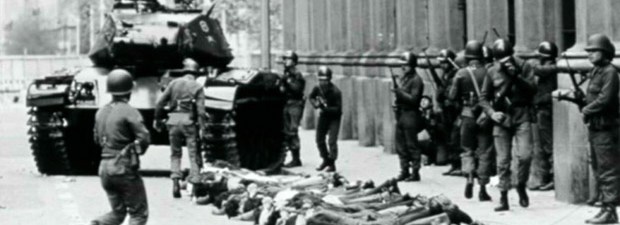
“Research finds a strong historical link between poor crop yields and violence.” (The Economist, 2017, p.57). Last year over 102,000 people died in nearly 50 armed conflicts across the world, according to the Peace Research Institute Oslo (PRIO), a think-tank. Much of this violence is caused by tensions between ethnic groups – two-thirds of civil wars have… Read More

“Vietnam attempts a delicate strategic balancing act Near the point where Vietnam bulges deepest into the South China Sea lies Cam Ranh Bay, perhaps the finest natural deep water harbour in South-East Asia. France based a fleet there in colonial times. Russian ships made use of it in the Russo-Japanese war, Japanese ones during the second world war… Read More
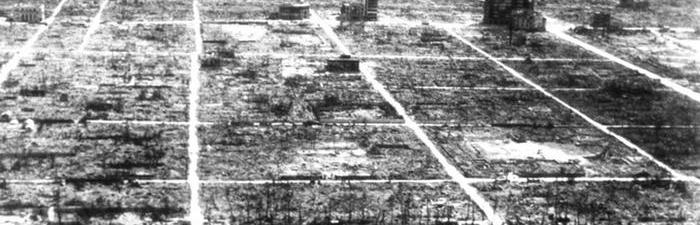
The “Thucydides trap – the disaster that befell ancient Greece when the incumbent power, Sparta, failed to accommodate the rising one, Athens.” (The Economist, 2017, p.26). Thucydides (c. 460 BC–400 BC) was a general who was exiled for his failure to defend the Greek city of Amphipolis in Thrace. During his exile, he began compiling histories and… Read More

“What do you do when the enemy taking aim at you is a nine-year-old? One of the worst dilemmas soldiers face is what to do when they confront armed children. International law and most military codes treat underage combatants mainly as innocent victims. They offer guidance on their legal rights and on how to interrogate and demobilise them. They have… Read More

“War is the ultimate resource of policy, by which the nation seeks to impose its will on its enemies in defence of its honour, its interests, and its existence.” British Field Service Regulations 1909 (with amendments 1914)

 Boot Camp & Military Fitness Institute