What are the Risk Factors for Anterior Cruciate Ligament Tear?

Research Paper Title The Effect of the Intercondylar Notch Shape and Notch Width Index on Anterior Cruciate Ligament Injuries. Background Anterior cruciate ligament is one of the commonly injured ligaments in knee. The shape and dimension of the femoral notch has been linked with the risk of anterior cruciate ligament injury. The aim of this… Read More
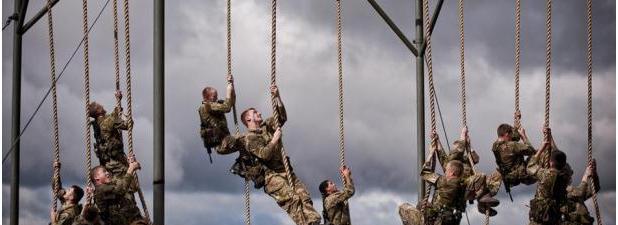
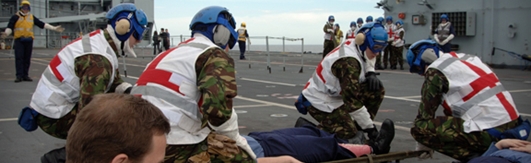
What is the Effect of Infantry Training & Sex on Musculoskeletal Injury Incidence during British Army Basic Training?

Research Paper Title Understanding the musculoskeletal injury risk of women in combat: the effect of infantry training and sex on musculoskeletal injury incidence during British Army basic training. Background Until recently, women were excluded from British combat roles. Their risk for musculoskeletal injury during basic training is two to three times higher than men. To… Read More

Musculoskeletal Injuries: Elite Military Training & Dropout Rates

Research Paper Title One out of four recruits drops out from elite military training due to musculoskeletal injuries in the Netherlands Armed Forces. Background Musculoskeletal injuries (MSIs) are among the main causes of dropout from military training. The main purpose of this study was to provide an overview of dropout rates and MSI incidence rates… Read More

Combat Injury & Injury Severity Scores

Research Paper Title All trauma is not created equal: Redefining severe trauma for combat injuries. Background Injury severity scores (ISS) and shock index (SI) are popular trauma scoring systems. Methods The researchers assessed ISS and SI in combat trauma to determine the optimal cut-off values for mortality and trauma outcomes. Retrospective analysis of the Department… Read More

Types of Injuries on the US Army’s Special Forces Assessment & Selection (SFAS) Course

Research Paper Title Medical Encounters During the United States Army Special Forces Assessment and Selection Course. Background The Special Forces Assessment and Selection (SFAS) is an extremely physically and mentally demanding 19- to 20-day course designed to determine whether Soldiers are qualified to enter the Special Forces Qualification Course. As a first step to understand… Read More

Are Shoulder Strength & Kinematic Characteristics Risk Factors for Shoulder Injury in the Special Forces Population?

Research Paper Title Evaluation of Shoulder Strength and Kinematics as Risk Factors for Shoulder Injury in United States Special Forces Personnel. Background Musculoskeletal injuries at the shoulder are highly prevalent and place a large burden on United States Special Forces personnel. Literature is lacking regarding the risk factors for these types of injuries. The purpose… Read More

Distinguishing Non-Freezing Cold Injuries (NFCI) from NFCI Mimics

Research Paper Title Case series of non-freezing cold injury: the modern clinical syndrome. Background Non-freezing cold injury (NFCI) occurs when peripheral tissue is damaged by cold exposure but not to the extent of freezing. Historically, the phenotype of NFCIs sustained was severe, whereas today the spectrum of injury represented in the UK military predominantly comprises… Read More