Australia: Obesity & Exercise Levels

In Australia one in four children are now considered overweight or obese (Salvaire, 2017). In Western Australia, the state average is 6.1% of children aged two to 17 being classed as obese, with 24.6% of adults being classed as obese. In the area including Secret Harbour (where I live), Baldivis, Singleton, and Golden Bay 61%… Read More

What are the Changes in Biochemical & Functional Parameters for (Military) Men during Exercise?

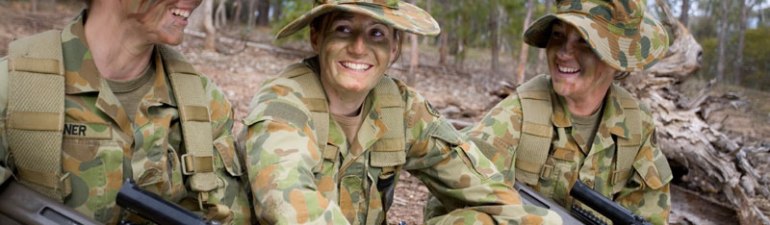
Research Paper Title Changes in biochemical and functional parameters for men during exercise. Background Benefits of physical activity are undeniable. The aim of the present research was to determine the effects of physical activity and age on cholesterol and glucose levels in the blood, as well as changes in the functional parameters of the cardiovascular… Read More

My Score on the Australian Type 2 Diabetes Risk Assessment Tool (AUSDRISK)

AUSDRISK Sitting in the wife’s GP practice waiting for her to finish work and then take the kids to see Paw Patrol Live, I noticed a pamphlet ‘The Australian Type 2 Diabetes Risk Assessment Tool’ (or AUSDRISK), and decided to ‘give it a go’. AUSDRISK was developed by the Baker IDI Heart and Diabetes Institute… Read More

5 Simple Ways to Maximise Your Brain Health

The Alzheimer’s Australia ‘Your Brain Matter’ programme provides a checklist to see if a person is taking steps to keep their brain healthy and reduce their risk of dementia. The five steps are: Step 1: Look after your heart: I have had my blood pressure, cholesterol, blood sugar (glucose) and weight checked in the last… Read More

The Rejuvenating Powers of High-Intensity Interval Training

“HIIT it! We’re often told that exercise is the best medicine, and it now seems that regular high intensity interval training (HIIT), in particular, is great for reversing the declining ability of our cells to generate energy. HIIT involves short bursts of very intense activity, interspersed with recovery periods of lower-intensity exercise. Sreekumaran Nair at the Mayo Clinic in Rochester, Minnesota, and his colleagues assigned… Read More

Can Exercise Prevent Breast Cancer Relapse?

“FOR women who have recovered from breast cancer, exercise appears to be the most important lifestyle choice to cut the risk of death from a relapse. Around a quarter of all women with breast cancer will eventually die when the cancer spreads to other parts of the body. But living more healthily can reduce the risk of… Read More

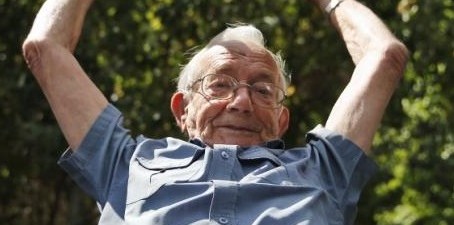
Are You Growing Older with Health & Vitality?

Research Paper Title Growing older with health and vitality: a nexus of physical activity, exercise and nutrition. Background The preservation of skeletal muscle mass and strength with advancing age are, the researchers propose, critical aspects of ageing with health and vitality. Physical inactivity and poor nutrition are known to accelerate the gradual age-related decline in… Read More