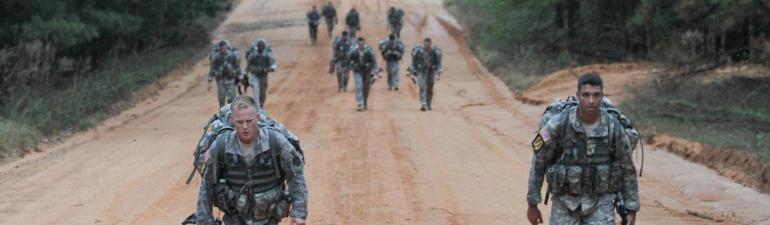
Gait Biomechanics: Energy Harvesting Assault Pack vs Standard Assault Pack

Research Paper Title Spatiotemporal and kinematic changes in gait while carrying an energy harvesting assault pack system. Background Soldiers are fielded with a variety of equipment including battery powered electronic devices. An energy harvesting assault pack (EHAP) was developed to provide a power source to recharge batteries and reduce the quantity and load of extra… Read More
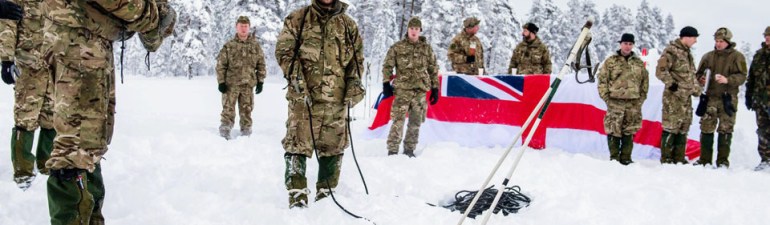
Non-Freezing Cold Injury (NFCI) with Cold Allodynia & Neuropathy

Research Paper Title A 4-year follow-up of non-freezing cold injury with cold allodynia and neuropathy in 26 naval soldiers. Background Non-freezing cold injuries (NFCI), which typically may occur in military personnel, may result from exposure to cold, at temperatures around 0 °C or above, and worsened by wind and moisture. The injury is due to… Read More

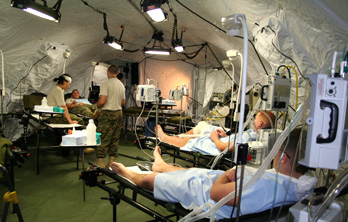
Outcomes of Pectoralis Major Tears in Active Duty US Military Personnel

Research Paper Title Outcomes of Pectoralis Major Tears in Active Duty US Military Personnel: A Comparison of Surgical Repairs Performed in the Forward Deployed Setting to Those Performed in the Continental United States. Background The purpose of this study was to compare pectoralis major tears in active duty military personal repaired surgically in the forward… Read More

Discerning the Interaction Between Ambient Temperature, Hypoxia, & Load Carriage on Respiratory Muscle Fatigue

Research Paper Title Interaction Between Ambient Temperature, Hypoxia, and Load Carriage on Respiratory Muscle Fatigue. Background While respiratory muscle fatigue is present following load carriage activity at sea level, the effect of environmental conditions on respiratory strength while undertaking load carriage is unknown. Methods The effect of thoracic load carriage during walks (5.5 km) in… Read More

What are the Differences in PTSD, Depression, & Symptoms for Combat vs Non-Combat Mild Traumatic Brain Injury?

Research Paper Title Differences in Posttraumatic Stress Disorder, Depression, and Attribution of Symptoms in Service Members With Combat Versus Noncombat Mild Traumatic Brain Injury. Background This study compares combat-related mild traumatic brain injury (mTBI) to non-combat-related mTBI in rates of posttraumatic stress disorder (PTSD) and depression after injury, severity of postconcussive symptoms (PCSs), and attribution… Read More

Does Resilience-based Training have any specific benefit to the Health & Well-being of UK Military Recruits?

Research Paper Title Resilience-based intervention for UK military recruits: a randomised controlled trial. Background The researchers evaluated a military resilience intervention which aimed to help UK military recruits to manage their personal health and well-being more effectively. Methods Trainers within six pre-existing training teams were randomly allocated by team to deliver a resilience-based intervention (SPEAR)… Read More

Discussing Posttraumatic Diabetes in a Tunisian Soldier

Research Paper Title Posttraumatic type 1 diabetes in an army soldier. Background The influence of stress as a precipitating factor associated with the onset of type 1 diabetes have been widely studied in the literature. The relationship between physical and psychological traumas and diabetes has been rarely studied in the military environment. Posttraumatic diabetes is… Read More