What are the Staff Roles at MCTC?

In July 2018, the Military Corrective Training Centre (MCTC), the British Army’s detention centre, had approximately 160 civilian and military staff, including: 120 Army personnel; 10 Naval Service (Royal Navy and Royal Marines) personnel; 10 Royal Air Force personnel; and 20 Civil Servants. These staff were employed in a variety of roles, as outlined below:… Read More
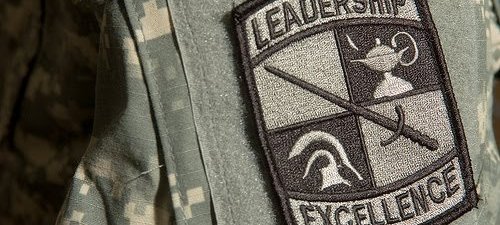
Leadership is…

“A leader is a man who had the ability to get other people to do what they don’t want to do, and like it.” Harry S. Truman (1884 to 1972) Harry S. Truman became the 33rd President of the United States of America upon the death of Franklin D. Roosevelt after serving as Vice President.… Read More

Opium: British Legacy…

“In the 19th century China was defeated in two wars against Britain that were caused by British sales of contraband opium produced from Indian-grown poppies.” (The Economist, 2018, p.41). The Opium Wars were two armed conflicts in China in the mid-19th century between the forces of Western countries and of the Qing dynasty, which ruled… Read More

Computer Chips & Military Strength…

“One of the earliest uses for the chips coming out of Silicon Valley, which owes its existence to the patronage of the Pentagon as much as it does to venture capitalists, was in guidance systems for nuclear missiles. A White House report published in 2017 does not mince its words: “Cutting-edge semiconductor technology is…critical to… Read More

Do Extra Hours Lead to Higher Productivity?

The simple answer is no. Extra hours do not lead to higher productivity. An analysis of figures from the OECD, a club of mostly rich countries, in 2013 found a negative correlation between GDP per hour and the number of hours worked across member countries. Causation is unclear, it may be that workers in richer… Read More

Democracy & Combat Deaths

“Fewer than one in 100,000 people have died in combat per year since 2000 – one-sixth the rate between 1950 and 2000, and one-fiftieth of that between 1900 and 1950.” (The Economist, 2018, p.89). Research by the Economist suggests there is a strong correlation between democracy and peace. A stark exception to this was the… Read More

Complacency & Remembering Military Legacies

“That remembrance is an important counterpoint to the complacency that set in after the end of the cold war. “The people I know have forgotten to be afraid of the arms race,” says O’Brian. It is vital to remember other kinds of military legacies, too, as David Havlick’s book, Bombs Away, powerfully demonstrates. Havlick, a… Read More