Foreign National or Commonwealth Citizen?

Introduction In response to a freedom of information (FOI) request (MOD FOI 2018/08369 dated 14 August 2019), the Ministry of Defence stated the media was (by implication) incorrectly stating those wanting to join the British Army were being described as “Foreign Nationals rather than Commonwealth citizens.” But what is the difference between a foreign national… Read More


An Overview of Off-Payroll Working Rules (IR35)

Introduction The off-payroll working rules make sure that a worker (sometimes known as a contractor) pays broadly the same Income Tax (IT) and National Insurance contributions (NICs) as an employee would. The rules apply if the worker who provides services to a client through their own intermediary would have been an employee if they were… Read More

An Overview of Exercise and Androgen Levels

Introduction Physical exercise has been found to be associated with changes in androgen levels. In cross-sectional analyses, aerobic exercisers have lower basal total and free testosterone compared to the sedentary. Anaerobic exercisers also have lower testosterone compared to the sedentary but a slight increase in basal testosterone with resistance training over time. There is some… Read More

Achieving Military Fitness Standards Post-Deployment

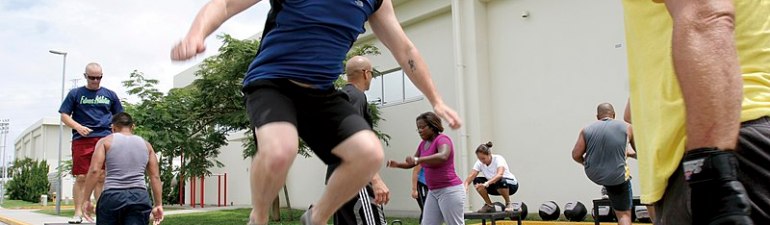
Introduction Returning to peak physical fitness after deployment is a challenge many active-duty service members face. The shift back to regular military duties often brings unique obstacles that can affect physical conditioning. While the demands of deployment vary, they frequently impact strength, endurance, and overall fitness levels. For military personnel, regaining fitness post-deployment is not… Read More

What is Intermittent Claudication?

Introduction Intermittent claudication, also known as vascular claudication, is a symptom that describes muscle pain on mild exertion (ache, cramp, numbness or sense of fatigue), classically in the calf muscle, which occurs during exercise, such as walking, and is relieved by a short period of rest. It is classically associated with early-stage peripheral artery disease,… Read More

An Overview of the Plateau Effect

Introduction The plateau effect is a phenomenon that lessens the effectiveness of once effective measures over time. An example of the plateau effect is when someone’s exercise fails to be as effective as in the past, similar to the concept of diminishing returns. A person enters into a period where there is no improvement or… Read More

What is the Exercise Paradox?

Introduction The exercise paradox, also known as the workout paradox, refers to the finding that physical activity, while essential for maintaining overall health, does not necessarily lead to significant weight loss or increased calorie expenditure. This paradox challenges the common belief that more exercise equates to more calories burned and consequently, more weight loss. Hadza… Read More