What are the Energy Requirements of US Army Special Operation Forces during Military Training?

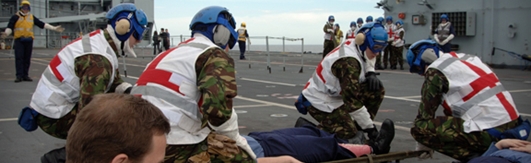
Research Paper Title Energy requirements of US Army Special Operation Forces during military training. Background Special Operations Forces (SOF) regularly engage in physically demanding combat operations and field training exercises, resulting in high daily energy expenditure, and thus increased energy requirements. However, the majority of studies assessing energy requirements of SOF have been conducted on… Read More
The US Army’s Values & Leadership Requirements Model

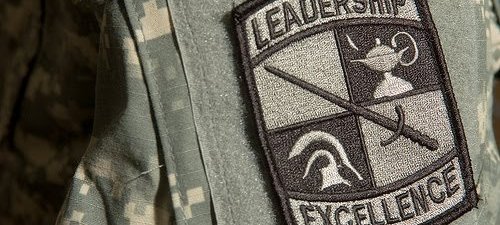
US Army Values US Army personnel learn the US Army’s values in detail during Basic Combat Training (BCT) and Initial Officer Training (IOT). The US Army’s seven core values, using the acronym LDRSHIP, are: Loyalty: Bear true faith and allegiance to the US Constitution, the Army, your unit and other Soldiers. Bearing true faith and… Read More

Do PTSD Symptoms, TBI, & Neurocognitive Decrements Contribute to Sustained Emotional Neurocognitive Symptoms over Time?

Research Paper Title Longitudinal Associations among Posttraumatic Stress Disorder Symptoms, Traumatic Brain Injury, and Neurocognitive Functioning in Army Soldiers Deployed to the Iraq War. Background Military deployment is associated with increased risk of adverse emotional and cognitive outcomes. Longitudinal associations involving posttraumatic stress disorder (PTSD), relatively mild traumatic brain injury (TBI), and neurocognitive compromise are… Read More

Evaluating the Use of Methylsulfonylmethane versus Placebo to Prevent Knee Pain in Military Initial Entry Trainees

Research Paper Title A randomized controlled trial evaluating methylsulfonylmethane versus placebo to prevent knee pain in military initial entry trainees. Background Methylsulfonylmethane (MSM) is a naturally occurring sulfur containing substance that has been shown to have anti-inflammatory and antioxidative properties. Previous studies using MSM as an oral supplement to improve pain in those patients with… Read More

Comparing Surgical Cricothyrotomy Techniques by US Army Combat Medics using a Synthetic Cadaver Model

Research Paper Title A randomized cross-over study comparing surgical cricothyrotomy techniques by combat medics using a synthetic cadaver model. Background Cricothyrotomy is a complex procedure with a high rate of complications including failure to cannulate and injury to adjacent anatomy. The Control-Cric™ System and QuickTrach II™ represent two novel devices designed to optimise success and… Read More

Discussing the Incidence & Burden of Gynecologic Disorders in Active Component Women of the US Armed Forces, 2012-2016

Research Paper Title Incidence and burden of gynecologic disorders, active component service women, U.S. Armed Forces, 2012-2016. Abstract This report describes the incidence, burden, and co-occurrence of four common gynecologic disorders among active component service women during 2012-2016. Overall incidence rates were highest for: Menorrhagia (100.9 per 10,000 person-years [p-yrs]); Uterine fibroids (63.2 per 10,000… Read More

Can a Technique-focused Training Programme Improve Performance on Annual Fitness Tests?

Research Paper Title Effects of technique-focused training in conjunction with physical readiness training on Army physical fitness test performance. Background The Army Physical Fitness Test (APFT) is a semi-annual requirement. While conducting physical readiness training (PRT) is a requirement for all Soldiers, there is no requirement to train Soldiers on techniques that may help to… Read More