
How Many US Cardiovascular Deaths are due to Modifiable Risk Factors?

If the five commonest modifiable risk factors for cardiovascular disease – high cholesterol concentrations, diabetes, hypertension, obesity, and smoking – were eliminated in the United States, deaths from cardiovascular disease would be halved, a new study in the Annals of Internal Medicine has found (Patel et al., 2015). Cardiovascular diseases such as coronary heart disease… Read More

Do PCSK9 Inhibitors Reduce Cardiovascular Events?

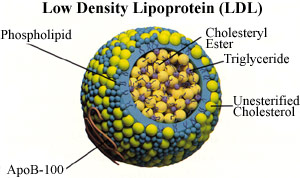
Two investigational drugs from a new class of lipid lowering agents – the proprotein convertase subtilisin-kexin type 9 (PCSK9) inhibitors – significantly reduce cardiovascular events, new exploratory analyses have shown. PCSK9 promotes the degradation of low density lipoprotein (LDL) receptors, so blocking its action increases the levels of receptor, which facilitates the clearance of LDL… Read More

What’s the Link between Blood Sugar, Blood Pressure & Blood Cholesterol?

Raised blood sugar, blood pressure (BP) and blood cholesterol are risk factors often clustered together. However, two new studies from Asia try to disentangle their interactions. In the Chinese population, blood glucose level within prediabetic range is significantly associated with elevated risks for diabetes mellitus after multi-variable adjustment, but only when it is concurrent with… Read More

Children: Sedentary Time & Health Risk

Research Paper Title The Association between Accelerometer-measured Patterns of Sedentary Time and Health Risk in Children and Youth: Results from the Canadian Health Measures Survey. Background Self-reported screen time is associated with elevated health risk in children and youth. However, research examining the relationship between accelerometer-measured sedentary time and health risk has reported mixed findings.… Read More