The History of Fitness…

Ever wondered about the history of fitness? If the answer is yes then follow this link to an article written by Lance C. Dalleck, M.S. and Len Kravitz, Ph.D. which describes: Primitive man and fitness (pre-10,000 B.C) The Neolithic Agricultural Revolution (10,000-8,000 B.C.) Ancient civilizations – China and India (2500-250 B.C.) The Near East (4000-250 B.C.)… Read More

The Role of the New Army Sergeant Major

The New Army Sergeant Major – or Sergeant Major of the Army as the Americans call it – Warrant Officer Class 1 (WO1) Glenn Haughton has been interviewed about his new role. WO1 Haughton was selected on the 2012 Late Entry Commissioning Board (LECB) for promotion to LE officer, but his promotion was deferred as… Read More

Older Adults: Outdoor Physical Activity & Self-Rated Health

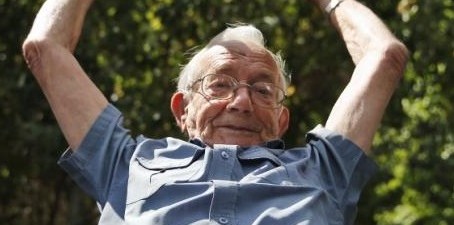
Research Paper Title Outdoor physical activity and self rated health in older adults living in two regions of the US. Background Older adults spend little time outdoors and many are physically inactive. The relationship between outdoor physical activity and self rated health has not been studied in older adults. This paper aimed to assess the… Read More

ALS: What’s the Role of Obesity & Type 2 Diabetes?

I think I can safely state that obesity can lead to diabetes, which in turn can lead to several other negative health issues. However, according to a recent study by Kiomourtzoglou and colleagues (2015) being obese and having type 2 diabetes can actually protect people against a few rare conditions. The population-based nested case-control study… Read More

Spicy Foods & Mortality: Any Link?

Research Paper Title Consumption of Spicy Foods and Total and Cause Specific Mortality: Population Based Cohort Study Study Question How does regular consumption of spicy foods influence mortality? Summary Answer Regular consumption of spicy foods was inversely associated with total and certain cause specific mortality (cancer, ischaemic heart diseases and respiratory diseases), independent of other… Read More

Two Hours, Standing & Heart Health

Standing rather than sitting for two hours a day may have a positive effect on biochemical risk markers, including fasting blood glucose and lipid profile, a cross sectional study has shown (Healy et al., 2015). The participants were 698 Australian adults who wore activity monitors that judged posture and movement, for as long as seven… Read More