Could Abnormal Gamma Activities be a proxy for GABA-ergic Interneuron Dysfunction and/or a Promising Neuroimaging Marker of Insidious Mild Head Injuries?

Research Paper Title Marked Increases in Resting-State MEG Gamma-Band Activity in Combat-Related Mild Traumatic Brain Injury. Background Combat-related mild traumatic brain injury (mTBI) is a leading cause of sustained impairments in military service members and veterans. Recent animal studies show that GABA-ergic parvalbumin-positive interneurons are susceptible to brain injury, with damage causing abnormal increases in… Read More
Can We Predict treatment Response to Cognitive Rehabilitation in Military Personnel with Mild Traumatic Brain Injury?

Research Paper Title Predicting treatment response to cognitive rehabilitation in military service members with mild traumatic brain injury. Background Determine factors that affect responsiveness to cognitive rehabilitation (CR) interventions in service members (SMs) who sustained mild traumatic brain injury (mTBI). Methods 126 SMs with a history of mTBI 3 to 24 months postinjury participated in… Read More

Improving Diagnosis & Treatment in Military Brain Trauma

Research Paper Title Enigma Military Brain Trauma: A Coordinated Meta-Analysis of Diffusion MRI from Multiple Cohorts. Abstract Traumatic brain injury (TBI) is a significant cause of morbidity in military Veterans and Service Members. While most individuals recover fully from mild injuries within weeks, some continue to experience symptoms including headaches, disrupted sleep, and other cognitive,… Read More

Do PTSD Symptoms, TBI, & Neurocognitive Decrements Contribute to Sustained Emotional Neurocognitive Symptoms over Time?

Research Paper Title Longitudinal Associations among Posttraumatic Stress Disorder Symptoms, Traumatic Brain Injury, and Neurocognitive Functioning in Army Soldiers Deployed to the Iraq War. Background Military deployment is associated with increased risk of adverse emotional and cognitive outcomes. Longitudinal associations involving posttraumatic stress disorder (PTSD), relatively mild traumatic brain injury (TBI), and neurocognitive compromise are… Read More

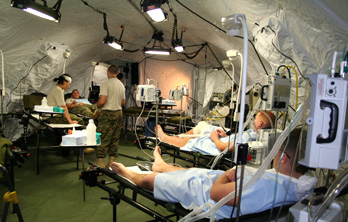
Describing the Use of Integrative Medicine in the US Military Health System

Research Paper Title Use of Integrative Medicine in the United States Military Health System. Abstract Integrative medicine (IM) is a model of care which uses both conventional and nonconventional therapies in a “whole person” approach to achieve optimum mental, physical, emotional, spiritual, and environmental health, and is increasingly popular among patients and providers seeking to… Read More

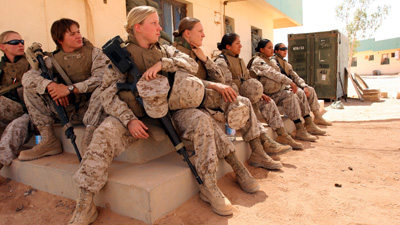
Acknowledging the Risk for Traumatic Brain Injury (TBI) in Women Veterans

Research Paper Title Acknowledging the Risk for Traumatic Brain Injury in Women Veterans. Abstract Since the Iraq and Afghanistan wars began, an unprecedented number of women have been engaging in combat operations. Likewise, the number of women using Department of Veterans Affairs (VA) services has doubled since 2001. Military service, and deployment to combat in… Read More

Sir Hugh Cairns and Head & Brain Injuries in World War II

Research Paper Title Sir Hugh Cairns and World War II British advances in head injury management, diffuse brain injury, and concussion: an Oxford tale. Abstract The authors trace the Oxford, England, roots of World War II (WWII)-related advances in head injury management, the biomechanics of concussion and brain injury, and postwar delineation of pathological findings… Read More