Can Military Occupation Inform the Understanding of Suicide Attempt Risk among Soldiers?

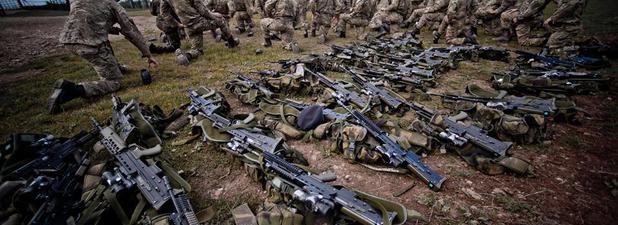
Research Paper Title Suicide attempts in U.S. Army combat arms, special forces and combat medics. Background The US Army suicide attempt rate increased sharply during the wars in Iraq and Afghanistan. Risk may vary according to occupation, which significantly influences the stressors that soldiers experience. Methods Using administrative data from the Army Study to Assess… Read More

Assessment of Psychological Pain in Suicidal Veterans

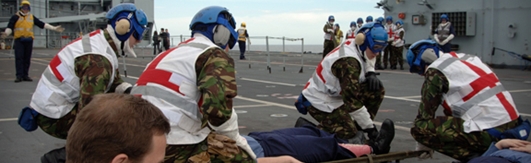
Research Paper Title Assessment of psychological pain in suicidal veterans. Background Psychological pain is a relatively understudied and potentially important construct in the evaluation of suicidal risk. Psychological pain also referred to as ‘mental pain’ or ‘psychache’ can be defined as an adverse emotional reaction to a severe trauma (e.g., the loss of a child)… Read More

Linking Insomnia, Psychiatric Disorders & Suicidal Ideation in Canadian Armed Forces Personnel

Research Paper Title Insomnia, psychiatric disorders and suicidal ideation in a National Representative Sample of active Canadian Forces members. Background Past research on the association between insomnia and suicidal ideation (SI) has produced mixed findings. The current study explored the relationship between insomnia, SI, and past-year mental health status among a large Canadian Forces (CF)… Read More

Responding to Trauma at Sea

Research Paper Title Responding to Trauma at Sea: A Case Study in Psychological First Aid, Unique Occupational Stressors, and Resiliency Self-Care. Abstract The U.S. Navy deploys Special Psychiatric Rapid Intervention Teams (SPRINT) to sites of military disasters to assist survivors and the command. SPRINT functions primarily as a consultant to help commands effectively respond to… Read More

Suicide & Results from the Army Study to Assess Risk & Resilience in Servicemembers (Army STARRS)

Research Paper Title Health care contact and suicide risk documentation prior to suicide death: Results from the Army Study to Assess Risk and Resilience in Servicemembers (Army STARRS). Background Prior research has shown that a substantial portion of suicide decedents access health care in the weeks and months before their death. The researchers examined whether… Read More

The Promise & the Challenge of Technology-Facilitated Methods for Assessing Behavioral & Cognitive Markers of Risk for Suicide among US Army National Guard Personnel

Research Paper Title The Promise and the Challenge of Technology-Facilitated Methods for Assessing Behavioral and Cognitive Markers of Risk for Suicide among U.S. Army National Guard Personnel. Abstract Suicide was the 10th leading cause of death for Americans in 2015 and rates have been steadily climbing over the last 25 years. Rates are particularly high… Read More

Is the Death/Suicide Implicit Association Test associated with a History of Suicidal Ideation nor History of Depression?

Research Paper Title Implicit Measures of Suicide Risk in a Military Sample. Background Suicide has become an issue of great concern within the US military in recent years, with recent reports indicating that suicide has surpassed combat related deaths as the leading cause of death. One concern regarding suicide risk in the military is that… Read More