

The Progress of War

“Team sports have long been known to bring out our tribal instincts. But did they first emerge to train us for warfare? That’s the hypothesis of Michelle Scalise Sugiyama at the University of Oregon. She scoured the ethnographic record for information about the physical strategies used by traditional societies during their typical battles, such as… Read More

“Be convinced that to be happy means to be free and that to be free means to be brave. Therefore do not tale lightly the perils of war.” Thucydides (460 to 404 BC) Considered the greatest of ancient Greek historians and author of the History of the Peloponnesian War, which recounts the struggle between Athens… Read More
“The Nation that makes a great distinction between its scholars and its warriors will have its thinking done by cowards and its fighting done by fools.” Thucydides (460 to 404 BC) Considered the greatest of ancient Greek historians and author of the History of the Peloponnesian War, which recounts the struggle between Athens and Sparta… Read More
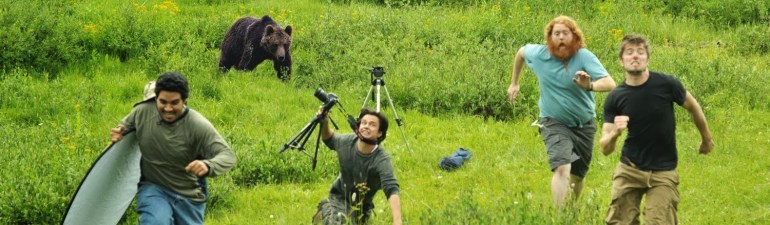
“The fear of battle is worse than war itself.” Seneca (Died 65 AD) Seneca the Younger, fully Lucius Annaeus Seneca and also known simply as Seneca, was a Roman Stoic philosopher, statesman, and dramatist. He was born in Córdoba in Hispania, and raised in Rome, where he was trained in rhetoric and philosophy.

“It is a pity that kings and rulers do not apply their mental powers as effectively to the preservation of peace as to the prosecution of war.” Gaius Sallustius Crispus (86 BC to 35/34 BC) Commonly referred to as Sallust, he was a Roman historian and one of the great Latin literary stylists, noted for… Read More

“Although ancient states were great, they inevitably perished when they were fond of war.” Sima Rangju (Unknown) Also known as Tian Rangju (dates of birth and death unknown) was a famous Chinese military general during the Spring and Autumn period, often seen as the spiritual successor of Jiang Ziya. He served in the State of… Read More

 Boot Camp & Military Fitness Institute