What is an Energy Gel?

Introduction Energy gels are edible carbohydrate gels that provide energy for exercise and promote recovery, commonly used in endurance events such as running, cycling, and triathlons. Energy gels are also referred to as endurance gels, sports gels, nutritional gels, and carbohydrate gels. Energy gels are packaged in small, single-serve plastic packets. Each packet has a… Read More

What are Sports Drinks?

Introduction Sports drinks, also known as electrolyte drinks, are functional beverages whose stated purpose is to help athletes replace water, electrolytes, and energy before, during and especially after training or competition. The evidence is lacking pertaining to the efficacy of use of commercial sports drinks for sports and fitness performance. Consuming too much or in… Read More

What is an electrolyte?

Introduction An electrolyte is a medium containing ions that are electrically conductive through the movement of those ions, but not conducting electrons. This includes most soluble salts, acids, and bases dissolved in a polar solvent, such as water. Upon dissolving, the substance separates into cations and anions, which disperse uniformly throughout the solvent. Solid-state electrolytes… Read More

What is Ketoacidosis?

Introduction Ketoacidosis is a metabolic state caused by uncontrolled production of ketone bodies that cause a metabolic acidosis. While ketosis refers to any elevation of blood ketones, ketoacidosis is a specific pathologic condition that results in changes in blood pH and requires medical attention. The most common cause of ketoacidosis is diabetic ketoacidosis but can… Read More

What are Ketone Bodies?

Introduction Ketone bodies are water-soluble molecules or compounds that contain the ketone groups produced from fatty acids by the liver (ketogenesis). Ketone bodies are readily transported into tissues outside the liver, where they are converted into acetyl-CoA (acetyl-Coenzyme A) – which then enters the citric acid cycle (Krebs cycle) and is oxidised for energy. These… Read More

What is Adenosine Triphosphate?

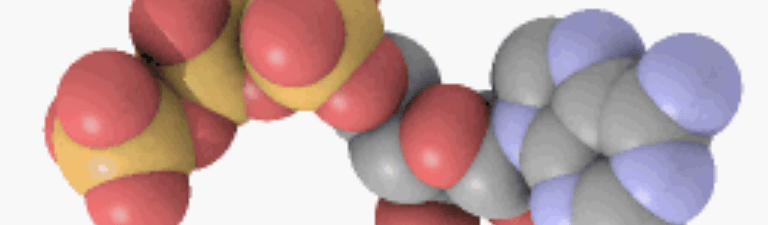
Introduction Adenosine triphosphate (ATP) is a nucleotide that provides energy to drive and support many processes in living cells, such as muscle contraction, nerve impulse propagation, condensate dissolution, and chemical synthesis. Found in all known forms of life, it is often referred to as the “molecular unit of currency” of intracellular energy transfer. When consumed… Read More

What is Excess Post-Exercise Oxygen Consumption?

Introduction Excess post-exercise oxygen consumption (EPOC, informally termed afterburn) is a measurably increased rate of oxygen intake following strenuous activity. In historical contexts the term “oxygen debt” was popularised to explain or perhaps attempt to quantify anaerobic energy expenditure, particularly as regards lactic acid/lactate metabolism; in fact, the term “oxygen debt” is still commonly use.… Read More