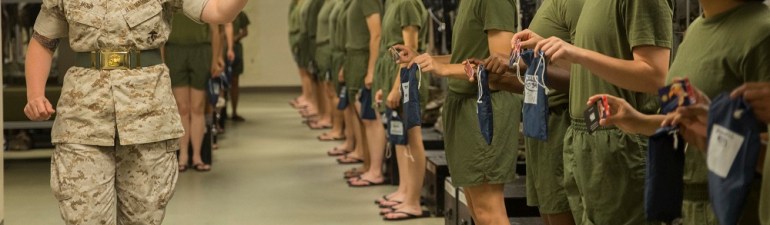
All British Armed Forces Roles are now Open to Women

On 25 October 2018, It was announced by the Defence Secretary that all roles in the British Armed Forces are now open to women. From Thursday 25 October 2018, women: Already serving in the British Army can apply to transfer into the Infantry. Civilians will be able to apply from 21 December 2018. Basic training… Read More

Combatants & Infection

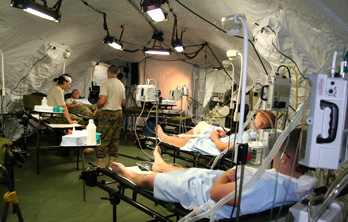
“In several nineteenth-century battles, about 5 percent of the combatants contracted tetanus infections; of those, about 80 percent died. Approximately 5 percent of the wounded combatants in ancient wars contracted gangrene, another infection caused by bacteria in soil. Washing of the wound could reduce the incidence, and amputation might save an infected limb, but if the… Read More

The Roman Military Medical Service

“The Roman military had a medical system that was extraordinary for the ancient world. It was based on the teachings of Greek medicine and emphasized both prevention – maintenance of conditions for good public health – and healing of battle-wounded soldiers. A nutritious diet, a carefully monitored water supply, and strict rules about sanitation helped… Read More

When was the Rocket Born?

“The first rockets were Chinese. In the 1230s the armies of the Song dynasty, who were fighting Mongol invaders, started launching “fire arrows” propelled by gunpowder some 300 metres into enemy lines. When the Song’s artillerymen realised that these arrows continued to fly straight even after their fiery exhaust had burned away their feathers, they removed the fletching and the… Read More

What is the Trucial Coast?

“Starting in the 18th century, the Gulf emirs came under the protection of the British empire, which sought to keep rivals away from the approaches to India. The British imposed truces on the internecine fights of the emirs (hence the region’s name, “the trucial coast”).” (The Economist, 2018, p.5). Reference The Economist. (2018) From Pearls to Black Gold: How Oil… Read More