Linking Pedalling Posture & Uphill Cycling

Research Paper Title Muscular activity during uphill cycling: Effect of slope, posture, hand grip position and constrained bicycle lateral sways. Background Despite the wide use of surface electromyography (EMG) to study pedalling movement, there is a paucity of data concerning the muscular activity during uphill cycling, notably in standing posture. The aim of this study was… Read More
Linking Attention, Walking & Mobile Phones

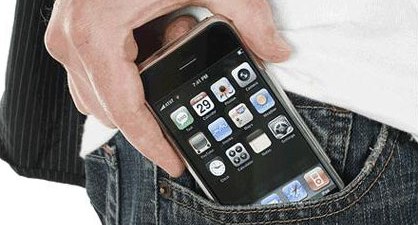
Cell phones are making people walk differently. A study that tracked how 21 people negotiated an obstacle and a step, without a phone or while texting, reading the screen, or making a call, found that using a phone made people walk slower and in less of a straight path, particularly when texting (Timmis et al., 2017). Reference Timmis, M.A, Bijl,… Read More

Using Movement Screens in a Military Population: Establishing Norms

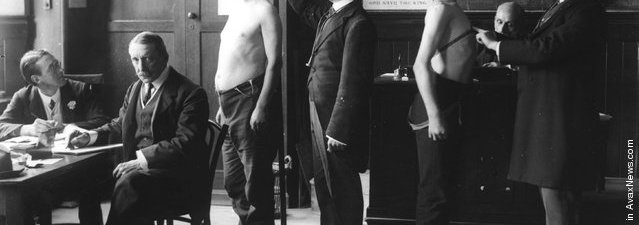
Research Paper Title The Interrelationship of Common Clinical Movement Screens: Establishing Population-Specific Norms in a Large Cohort of Military Applicants. Background Musculoskeletal injuries (MSK-Is) are a leading cause of missed duty time and morbidity in the military. Modifiable risk factors for MSK-Is, such as inadequate core stability, poor movement patterns, and dynamic balance deficits, have… Read More

Population-Specific Norms: Common Clinical Movement Screens & Military Recruitment

Research Paper Title The Interrelationship of Common Clinical Movement Screens: Establishing Population-Specific Norms in a Large Cohort of Military Applicants. Background Musculoskeletal injuries (MSK-Is) are a leading cause of missed duty time and morbidity in the military. Modifiable risk factors for MSK-Is, such as inadequate core stability, poor movement patterns, and dynamic balance deficits, have… Read More