
Introduction
Many men begin a weight loss journey with enthusiasm, only to become frustrated when progress slows or results fail to last. Quick fixes, restrictive diets, and unrealistic workout routines may produce short-term changes, but they rarely create habits that support long-term health.

A successful weight loss plan should focus on improving body composition, preserving muscle mass, and building sustainable lifestyle habits. Men seeking professional guidance may choose services like Weight Loss for Men Thailand, where personalised strategies combine nutrition, exercise, and ongoing support to help achieve lasting results.
While every individual has different goals and starting points, the key elements of an effective weight loss plan remain remarkably consistent.
Start with Realistic Goals
Setting realistic expectations is one of the most important steps in any weight loss journey. Losing weight too quickly often leads to muscle loss, reduced energy levels, and difficulty maintaining results over time.
Instead of focusing solely on the number displayed on the scale, you should aim to improve overall body composition by reducing excess body fat while maintaining lean muscle. Smaller, achievable milestones also help build confidence and keep motivation high throughout the process.
Prioritise Nutrition
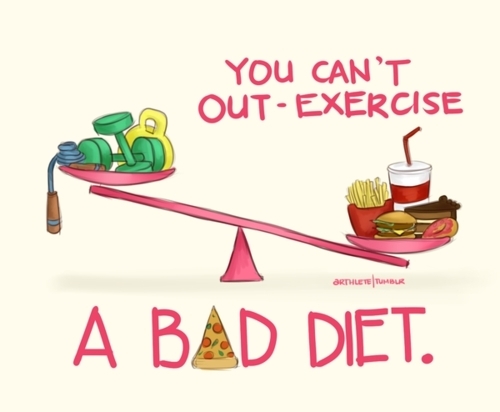
Exercise alone cannot compensate for poor eating habits. Nutrition forms the foundation of every successful weight loss plan.
Rather than following highly restrictive diets, most men benefit from creating a moderate calorie deficit while continuing to eat a balanced variety of foods. A sustainable eating plan should include lean protein, whole grains, vegetables, fruits, healthy fats, and adequate hydration.
Protein deserves particular attention because it helps preserve muscle tissue during weight loss while increasing feelings of fullness after meals.
Developing healthy eating habits that can be maintained for months and years is far more effective than relying on temporary diet trends.
Make Strength Training a Priority
You may associate weight loss primarily with cardiovascular exercise, but resistance (strength) training plays an equally valuable role.
Resistance training helps maintain lean muscle mass while reducing body fat. This is important because muscle supports metabolic health and contributes to long-term physical function.
Regular resistance training can also improve posture, bone health, and everyday strength, making daily activities easier while supporting overall fitness.
A balanced, graduated programme that gradually increases resistance over time allows the body to continue adapting without unnecessary risk of injury.

Include Cardiovascular Exercise
Cardiovascular exercise complements strength training by increasing daily energy expenditure and supporting heart health.
Aerobic activities (such as walking, cycling, swimming, jogging, and rowing) can all contribute to weight loss when performed consistently. The best choice is often the activity that an individual enjoys enough to continue long-term.
Rather than, for example, focusing on extreme workouts, consistency is usually the greatest predictor of success. Even moderate amounts of regular activity can provide meaningful health benefits when combined with sound nutrition.
Recovery Matters More Than Many Men Realise
Training hard, especially on a regular basis, without allowing adequate recovery can slow or hinder progress rather than accelerate it.
Sleep is particularly important because it supports muscle recovery, hormone regulation, appetite control, and overall performance. Poor sleep has been associated with increased hunger and reduced energy, making healthy choices more difficult.
Recovery also includes staying hydrated, managing stress, and allowing sufficient time between workouts so your body can repair and adapt.
Track Progress Beyond the Scale
Your body weight tells only part of the story.
As you build muscle and lose body fat, changes in body composition may not always be reflected by the scale alone. Tracking additional indicators provides a more complete picture of your progress. Useful measures include:
- Waist and body measurements;
- Progress photographs;
- Improvements in strength and endurance;
- Energy levels throughout the day; and
- How clothing fits over time.
Recognising these improvements helps maintain motivation, even during periods when body weight changes more slowly.
Stay Consistent Through Lifestyle Changes
The more effective weight loss plans are those that become part of your everyday life.
Rather than relying solely on motivation, successful individuals develop routines that make healthy choices easier. Preparing meals in advance, scheduling regular exercise, and maintaining consistent sleep habits all contribute to long-term success.
Setbacks are also a normal part of the process. Missing a workout or enjoying an occasional indulgent meal does not erase previous progress. What matters most is returning to healthy habits without allowing temporary setbacks to become permanent obstacles.
Bringing It All Together
An effective weight loss plan combines balanced nutrition, regular physical activity, resistance training, cardiovascular fitness, adequate recovery, and realistic goal setting. Each element supports the others, creating a sustainable approach that improves both physical health and overall wellbeing.
While no single strategy guarantees success, combining these principles with consistency gives you a stronger foundation for achieving lasting results.
Building Long-Term Success
Weight loss should never be viewed as a temporary project with a clear finish line. Instead, it is an ongoing commitment to healthier habits and better overall wellbeing.
By focusing on sustainable nutrition, regular exercise, adequate recovery, and realistic expectations, you can achieve meaningful improvements that extend well beyond the number on the scale. The goal is not simply to lose weight, but to build a healthier lifestyle that supports strength, confidence, and long-term health.


One thought on “The Key Elements of an Effective Weight Loss Plan for Men”