
Introduction
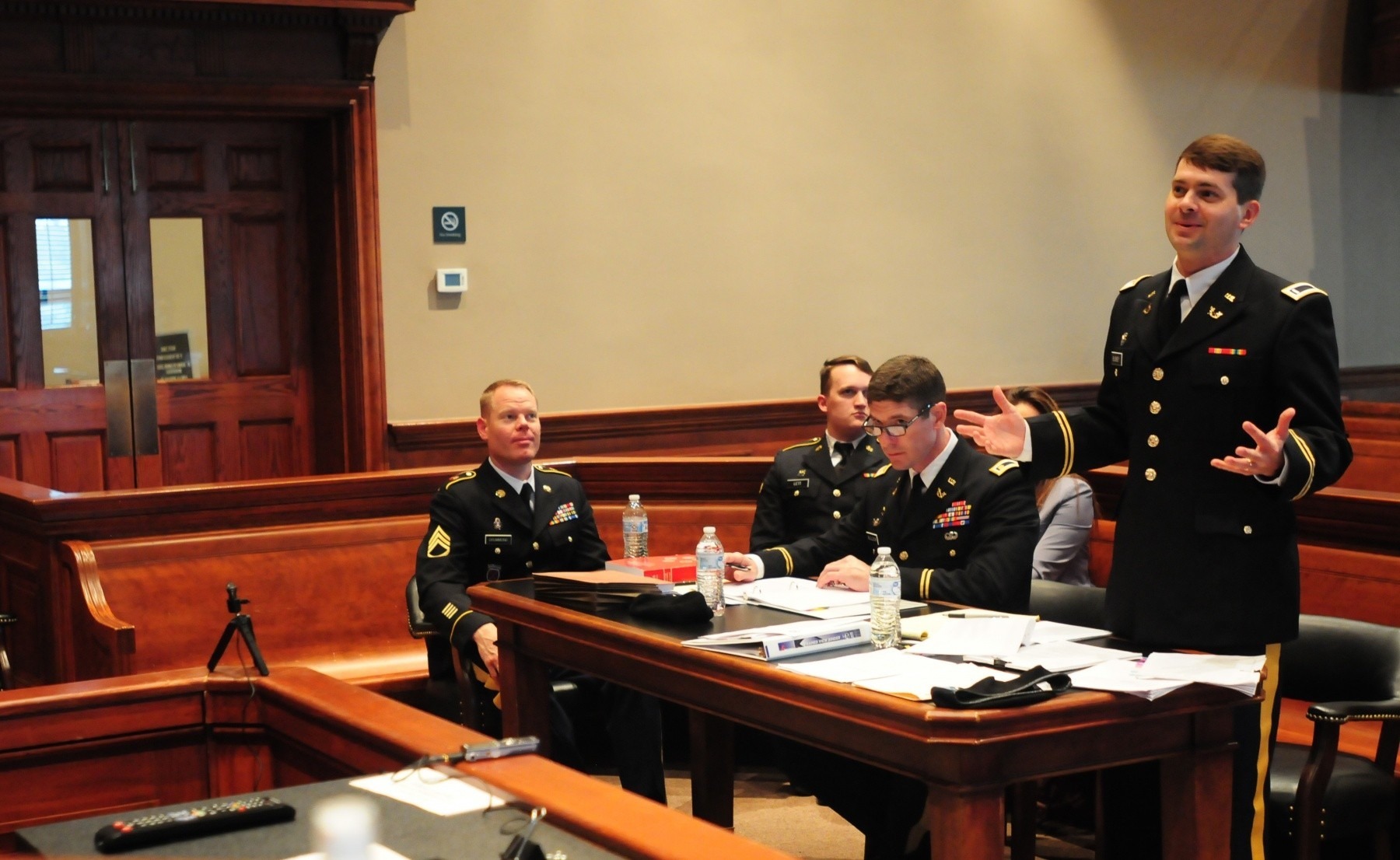
Military personnel in the United States (U.S.) Armed Forces are subject to a separate legal system governed by the Uniform Code of Military Justice (UCMJ). Unlike the civilian justice system, courts-martial follow their own procedures and rules, making it important for U.S. service members to understand the legal protections available to them.
While no one expects to face a court-martial, knowing your rights before an investigation or criminal charge arises can make a significant difference. From the right to remain silent to the right to legal representation and a fair trial, these protections are designed to ensure that service members are treated fairly throughout the military justice process. Here are seven court-martial rights every U.S. service member should know.
1. You Have the Right to Remain Silent
Under Article 31 of the UCMJ, U.S. service members have the right not to answer questions that could incriminate them. According to a Congressional Research Service report on courts-martial, before any official questioning, investigators must:
- Inform you of the nature of the accusation;
- Advise you that you do not have to make a statement regarding the alleged offence; and
- Explain that any statement you choose to make may be used as evidence.
If you are questioned in connection with an investigation, it is generally advisable to remain calm, exercise your right to remain silent, and request legal counsel before making any statements. Exercising this right is a legal protection, not an admission of guilt.
2. You Are Presumed Innocent Until Proven Guilty
Similar to civilian criminal proceedings, a court-martial begins with the presumption that the accused is innocent. The burden of proof rests with the government (via the prosecution), which must prove every element of the offence beyond a reasonable doubt.
This principle is one of the foundations of the military justice system. You are not required to prove your innocence or convince anyone that you did not commit the alleged offence. Instead, the prosecution must present sufficient evidence to support its case. Understanding this right can help you make informed decisions throughout the legal process rather than feeling pressured to respond before seeking legal advice.
3. You Have the Right to Know the Charges Against You
Preparing an effective defence begins with understanding the charges against you. Under the military justice system, you have the right to be informed of the charges against you so you can understand the allegations and prepare your response.
You should not be left guessing about the offence or the evidence being presented. Knowing the charges gives you and your lawyer the opportunity to review the case, gather relevant evidence, identify potential witnesses, and develop an appropriate defence strategy. Taking the time to understand the allegations before responding is an important part of protecting your rights throughout the court-martial process.
4. You Have the Right to a Lawyer
You are entitled to a qualified military defence attorney at no cost to you. You can also hire a civilian one if you prefer. Many service members also choose to consult an experienced court martial lawyer, particularly where the outcome could affect their military career. Whichever route you choose, seek legal advice as early as possible.
The sooner a lawyer becomes involved, the more opportunity they have to:
- Review the evidence;
- Protect your rights; and
- Help prepare your defence.
5. You Can Challenge the Evidence Against You
You have the right to see the evidence, question witnesses, and tell your own side of the story. The defence may challenge whether the investigation complied with applicable legal procedures and whether the evidence was obtained lawfully. Evidence that was gathered improperly can sometimes be kept out entirely.
Witnesses can be cross-examined to assess the accuracy, reliability, and credibility of their testimony. Careful preparation can also play an important role in developing an effective defence strategy.

6. You Have the Right to Protections Under the UCMJ
The UCMJ establishes the legal framework governing courts-martial and other disciplinary matters within the U.S. Armed Forces. While many protections are similar to those in civilian courts, some procedures are unique to military law.
For example, an Article 32 preliminary hearing allows the accused to review the government’s case, challenge evidence, and question witnesses before a general court-martial proceeds. These safeguards are designed to ensure fairness and proper handling of cases under the UCMJ.
Because military justice operates under its own rules, understanding these procedures and seeking legal advice can help service members make informed decisions throughout the process.
7. You Have the Right to Appeal
A guilty finding is not always the end of the road. Depending on the sentence, your case may be reviewed by a higher military court.
Depending on the circumstances of your case, an appeal may allow you to:
- Have your conviction and sentence reviewed;
- Raise legal errors from your trial; and/or
- Seek a reduced sentence or even a new trial.
Appeals come with strict deadlines, so move quickly if you think you want to pursue one.
Why These Rights Matter
Understanding your court-martial rights before they are needed can make a significant difference if you become involved in a military investigation. Decisions made during the early stages of a case, including whether to answer questions, provide statements, or seek legal representation, can influence how the proceedings develop.
The rights provided under the UCMJ are intended to help ensure that service members are treated fairly throughout the military justice process. Knowing these protections in advance can help you make informed decisions, work effectively with your legal counsel, and better understand the procedures that apply if your case proceeds to a court-martial.
While every case is different, being familiar with your legal rights before an issue arises can help you respond more confidently and navigate the military justice system with a clearer understanding of the protections available under the UCMJ.
Summary
Court-martial proceedings follow rules and procedures that differ from those of the civilian justice system. Understanding the rights available under the Uniform Code of Military Justice can help service members make informed decisions if they become involved in a military investigation or prosecution.
Although every case is different, the protections provided under the UCMJ are intended to promote fairness throughout the military justice process. Being familiar with those rights before they are needed can help service members navigate the process with a clearer understanding of the legal safeguards available to them.


