An Overview of Set Point Theory

Introduction Set point theory, as it pertains to human body weight, states that there is a biological control method in humans that actively regulates weight towards a predetermined set weight for each individual. This may occur through regulation of energy intake (e.g. via increased or decreased appetite) or energy expenditure (e.g. via reduced metabolism or… Read More
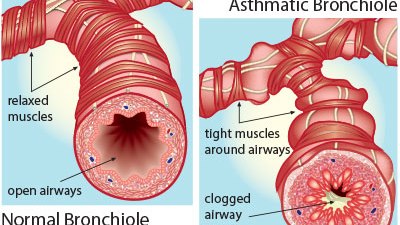

An Overview of Bronchial Challenge Tests

Introduction A bronchial challenge test is used to help determine how sensitive your airways are, and will help to confirm or refute a diagnosis of asthma. Other Terms A bronchial challenge test is also known as an: What is the Test For? The test is used to confirm or refute a diagnosis of asthma. Simply… Read More

An Overview of Exercise and Androgen Levels

Introduction Physical exercise has been found to be associated with changes in androgen levels. In cross-sectional analyses, aerobic exercisers have lower basal total and free testosterone compared to the sedentary. Anaerobic exercisers also have lower testosterone compared to the sedentary but a slight increase in basal testosterone with resistance training over time. There is some… Read More

What is Intermittent Claudication?

Introduction Intermittent claudication, also known as vascular claudication, is a symptom that describes muscle pain on mild exertion (ache, cramp, numbness or sense of fatigue), classically in the calf muscle, which occurs during exercise, such as walking, and is relieved by a short period of rest. It is classically associated with early-stage peripheral artery disease,… Read More

An Overview of the Plateau Effect

Introduction The plateau effect is a phenomenon that lessens the effectiveness of once effective measures over time. An example of the plateau effect is when someone’s exercise fails to be as effective as in the past, similar to the concept of diminishing returns. A person enters into a period where there is no improvement or… Read More

What is the Exercise Paradox?

Introduction The exercise paradox, also known as the workout paradox, refers to the finding that physical activity, while essential for maintaining overall health, does not necessarily lead to significant weight loss or increased calorie expenditure. This paradox challenges the common belief that more exercise equates to more calories burned and consequently, more weight loss. Hadza… Read More