
A Brief Overview of Phosphocreatine

Introduction Phosphocreatine, also known as creatine phosphate (CP) or PCr (Pcr), is a phosphorylated form of creatine that serves as a rapidly mobilisable reserve of high-energy phosphates in skeletal muscle, myocardium and the brain to recycle adenosine triphosphate (ATP), the energy currency of the cell. Brief History The discovery of phosphocreatine was reported by Grace… Read More

What is Metabolic Myopathy?

Introduction Metabolic myopathies are myopathies that result from defects in biochemical metabolism that primarily affect muscle. They are generally genetic defects (inborn errors of metabolism) that interfere with the ability to create energy, causing a low adenosine triphosphate (ATP) reservoir within the muscle cell. At the cellular level, metabolic myopathies lack some kind of enzyme… Read More

What is Anaerobic Exercise?

Introduction Anaerobic exercise is a type of exercise that breaks down glucose in the body without using oxygen; anaerobic means “without oxygen”. In practical terms, this means that anaerobic exercise is more intense, but shorter in duration than aerobic exercise. The biochemistry of anaerobic exercise involves a process called glycolysis, in which glucose is converted… Read More

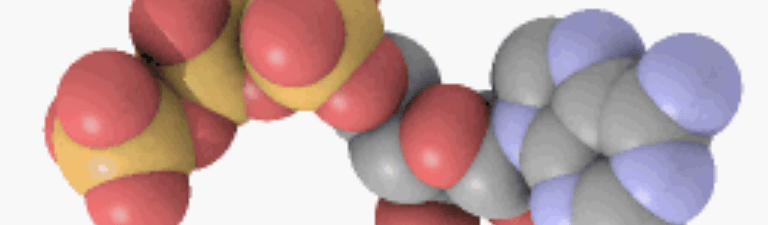
What is Adenosine Triphosphate?

Introduction Adenosine triphosphate (ATP) is a nucleotide that provides energy to drive and support many processes in living cells, such as muscle contraction, nerve impulse propagation, condensate dissolution, and chemical synthesis. Found in all known forms of life, it is often referred to as the “molecular unit of currency” of intracellular energy transfer. When consumed… Read More