Intracranial Volume & Casualties of Combat-related mTBI & PTSD

Research Paper Title Brain Amygdala Volume Increases in Veterans and Active-Duty Military Personnel With Combat-Related Posttraumatic Stress Disorder and Mild Traumatic Brain Injury. Background To identify amygdalar volumetric differences associated with posttraumatic stress disorder (PTSD) in individuals with comorbid mild traumatic brain injury (mTBI) compared with those with mTBI-only and to examine the effects of… Read More

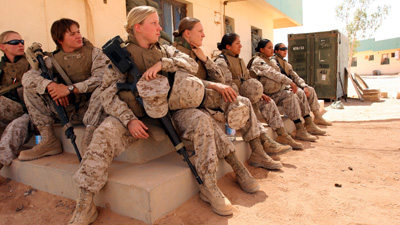
Reviewing Discontinuation Rates of Antidepressant Use by Dutch Soldiers

Research Paper Title Discontinuation Rates of Antidepressant Use by Dutch Soldiers. Background Soldiers have a higher risk for developing psychiatric disorders that require treatment; often with antidepressants. However, antidepressants as well as the psychiatric disorder, may influence military readiness in several ways. In the general population, early discontinuation of antidepressant treatment is often seen. It… Read More

What are the Gynaecologic Health Consequences of Chlamydia Trachomatis Infection in Military Servicewomen?

Research Paper Title The Gynecologic Health Consequences of Chlamydia trachomatis Infection in Military Servicewomen. Background Chlamydia trachomatis is the most common sexually transmitted bacterial infection in the United States. Within the US military, the age- and race-adjusted chlamydia infection rates among female service members are consistently higher than civilian rates, with a 20% annual acquisition… Read More

Is there an Association between Firearm Ownership & Capability for Suicide in Post-Deployment National Guard Service Members?

Research Paper Title Firearm Ownership and Capability for Suicide in Post-Deployment National Guard Service Members. Background National Guard service members demonstrate increased suicide risk relative to the civilian population. One potential mechanism for this increased risk may be familiarity with and access to firearms following deployment. This study examined the association between firearm ownership, reasons… Read More

Improving Diagnostic Criteria: Surgical Outcomes & Chronic Exertional Compartment Syndrome (CECS)

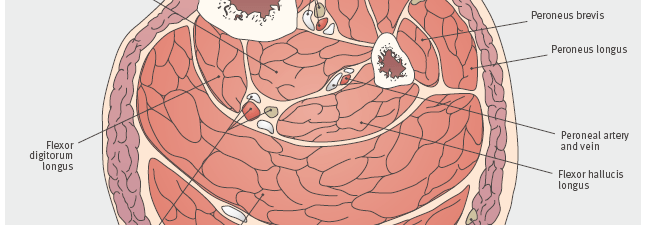
Research Paper Title Surgical outcomes for chronic exertional compartment syndrome following improved diagnostic criteria. Background Chronic exertional compartment syndrome (CECS) presents with pain during exercise, most commonly within the anterior compartment of the lower limb. A diagnosis is classically made from a typical history and the measurement of intramuscular compartmental pressure (IMCP) testing. Improved, more… Read More

What are the Prognostic Factors in Complex Regional Pain Syndrome Type 1 Occurring in the Korean Army?

Research Paper Title Prognostic Factors in Complex Regional Pain Syndrome Type 1 Occurring in the Korean Army. Background In Korea, patients diagnosed with complex regional pain syndrome (CRPS) in the army are typically discharged from the army; however, the course of the disease after discharge is not known. The purpose of this study was to… Read More

Does Prehospital Adenosine, Lidocaine, & Magnesium have Inferior Survival compared with Tactical Combat Casualty Care Resuscitation in a Porcine Model of Prolonged Haemorrhagic Shock?

Research Paper Title Prehospital adenosine, lidocaine, and magnesium has inferior survival compared with tactical combat casualty care resuscitation in a porcine model of prolonged haemorrhagic shock. Background Adenosine, lidocaine, and magnesium (ALM) is a cardioplegic agent shown to improve survival by improving cardiac function, tissue perfusion, and coagulopathy in animal models of shock. The researchers… Read More