
Introduction
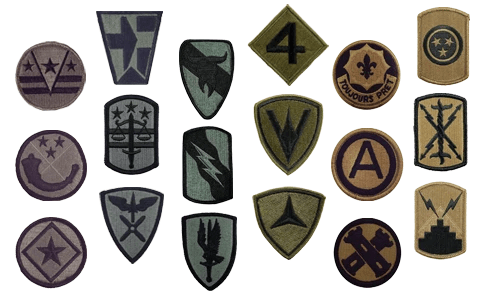
Walk through a military base and you will see it within minutes: a small shape of thread on a sleeve that tells you where someone belongs. An eagle, a lightning bolt, a bold number on a shield – each symbol can carry its own meaning. To an outsider, it is decoration. To the person wearing it, it is proof of who they serve with, what they have been through and who has their back.
Military units have understood the power of shared symbols for more than a century, and the tradition is still going strong. The following is a brief look at how patches and insignia help units build identity, strengthen morale and carry history forward. Plus, what to keep in mind if you are considering designing one of your own.
Why a Small Piece of Cloth Matters
Humans are wired to belong to groups, and the military builds on that instinct. Training strips away individual differences and replaces them with a shared mission, shared standards and shared hardship. A symbol gives that bond a visible form.
A patch does several jobs at once:
- Identification: It shows which unit, branch or specialty a person belongs to.
- Pride: It gives members something to be proud of that belongs to the whole team.
- Continuity: It links today’s members to those who served before them.
- Recognition: It signals experience, such as completing a course or deployment.
- Connection: It creates an instant link between people who have never met but share the same unit.
Because the symbol is worn daily, it works as a quiet reminder of what the group stands for.
A Short History of Unit Insignia
Unit identification is not new. In the US Army, divisional insignia go back to the American Civil War, when Major General Joseph Hooker set up a system of badges to tell units apart. The idea grew during the First World War, when the American Expeditionary Force expanded rapidly and units needed a way to be recognised.
According to an Army history article, shoulder sleeve insignia became universal by the end of the war, with hundreds of separate and distinct designs. Some accounts suggest it was the 81st Division, with its “Wildcat” patch, that started the trend. That is a historical account rather than a statistical study, and “hundreds” is an approximate figure. Still, it shows how quickly the practice caught on once soldiers saw what a shared symbol could do for pride and cohesion.
How Patches Build Esprit de Corps
Military writers often describe esprit de corps as a sense of pride and fellowship shared by members of a group. Symbols are one of the simplest ways to create it.
With this in mind, a well-designed patch can:
- Give new members something to earn and wear with pride.
- Turn a collection of individuals into a team with a clear identity.
- Support a unit’s nickname, motto and traditions.
- Remind members of battles, missions or milestones in the unit’s history.
- Help families and communities feel connected to the unit as well.
Nicknames and symbols often go hand in hand. Units like the “Big Red One” and “Old Ironsides” have become known as much through their imagery and stories as through their official designations.
Reading the Design: What the Symbols Say
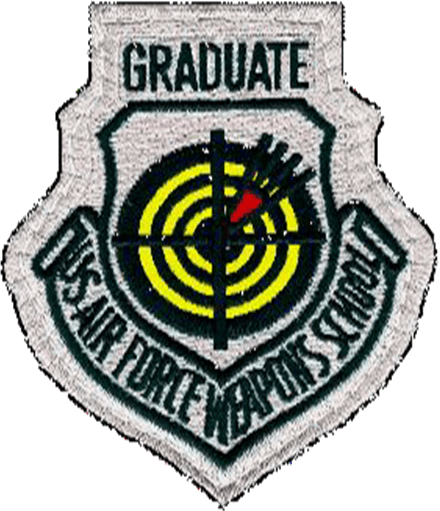
Good designs are rarely random. Most patches use a handful of elements that carry meaning:
- Shapes: Shields, circles and arrows often suggest protection, unity or direction.
- Colours: Branch or unit colours can reflect heritage or function.
- Animals and figures: Eagles, wildcats and other symbols suggest traits like vision, courage or strength.
- Numbers and letters: Unit designations show lineage and place within a larger organisation.
- Mottos and scrolls: Short phrases capture the unit’s purpose or spirit.
Simple designs tend to work best. If a patch is easy to recognise at a glance, people remember it and feel connected to it.
Beyond the Uniform: Patches in Training and Fitness Culture
The same instinct shows up outside formal units. Military-style training programmes, veteran groups, cadet and ROTC teams, boot-camp-style fitness classes and community organisations often adopt their own emblems to give members a sense of belonging.
For these groups, a custom emblem can celebrate completed challenges, recognise milestones or honour graduation from a programme. A participant who earns a badge after a tough course often values it as much as any certificate, because it is something they can wear and show.
Making Your Own: Practical Design and Production Tips
If you are creating an emblem for a club, team, training group or commemorative event, a few choices make a big difference. Custom patches can be produced in several styles, so it helps to match the method to your design and purpose.
Common options include:
- Embroidered: Textured and durable, a classic choice for bold, simple designs.
- Woven: Better suited to fine detail and small text.
- Printed: Useful for complex images or colour gradients.
- PVC or rubber: Weather-resistant and well suited to outdoor or tactical gear.
Before you finalise a design, consider:
- How large it will be worn, and whether small details will still be readable.
- How many colours you really need, since fewer colours are often cleaner and easier to produce.
- How it will attach, such as sewn on, hook-and-loop or adhesive backing.
- Where it will be worn and how much wear and washing it will face.
It is also important to note that official military insignia are governed by regulations about who may wear them and how. If your design is for an informal group, avoid copying official unit insignia, and check the rules that apply to your situation.
Choosing a Supplier
Quality varies, so ask questions before you order.
Useful points to check include:
- Material quality, minimum order sizes, proof or mockup options, turnaround times and shipping.
- Does it offer embroidered, woven, printed and/or PVC options.
- Does it offer custom shapes and a design review before production.
- Can you request samples or proofs.
Compare several providers and confirm details like pricing and delivery in writing.
Keeping the Tradition Meaningful
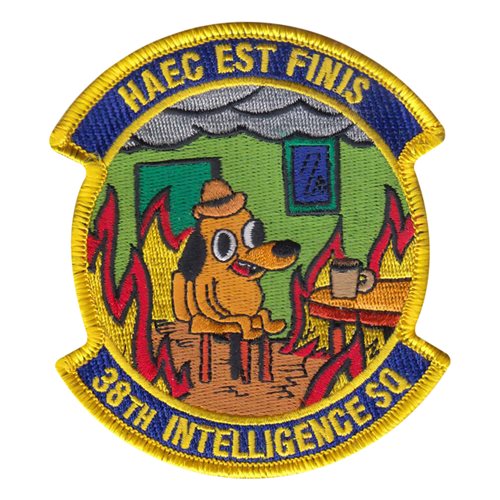
A patch only builds morale if it means something. Involve members in the design process where you can, explain the story behind each symbol and let people earn emblems rather than just receive them.
Handled thoughtfully, ceremonies, such as presenting a patch at graduation or promotion, can become some of the most memorable moments in a member’s experience.
Summary
Patches endure because they do something simple and powerful: they turn a group of people into a team with a name, a story and a symbol worth wearing. From the divisional insignia of the First World War to the emblems used today in training programmes and community groups, the idea is the same.
A clear, meaningful design builds pride, supports morale and links every wearer to something larger than themselves. Whether you serve in a unit or lead a group of your own, keep the design simple, make the symbolism real and let people earn the right to wear it. When identity is built on shared effort, a small piece of thread can carry a great deal of meaning.


