
Introduction
The pattern is familiar to anyone who has ever paid for a gym membership. January enthusiasm, February negotiation, March absence, and many months of quiet monthly billing. The problem usually is not just motivation. It is what is termed friction: the drive, the crowds, the wait for equipment. Remove the friction, and workouts are far more likely to actually happen. And this is one of the main arguments for owning a gym machine at home.
However, for anyone wanting to invest in their home gym, the trouble is that the term “home gym machine” covers a vast range of different equipment. Buying the wrong type for your goals is how these machines become expensive coat racks. So, below is a brief outline of the main categories, and who each one actually suits.
Why More People Are Building Home Gyms
According to consumer data, we have seen a significant shift toward home gyms post-pandemic, with over 58% of individuals preferring to work out at home compared to 23% at commercial gyms. The shift was not only driven by the lockdown but also by a few other primary reasons:
- Rising membership costs: There is no denying that commercial gym membership costs are steadily increasing. And, for many people, keeping up with the rising cost can be a little challenging. Therefore, a one-time investment in a home gym is much more appealing than paying a monthly membership fee.
- Time Efficiency: A daily commute to the gym can be daunting, especially for busy individuals with limited time. Therefore, instead of packing bags, driving to the gym, and waiting for a machine, you can complete a workout at a time of your choosing (with no waiting for equipment).
- Privacy and Comfort: Many people may feel a bit self-conscious in a public gym, therefore, having your own home gym gives you the freedom to train in privacy and comfort.
Comparison Table for Home Gym Setups
Did you know that over 78% of individuals work out more often at their home gym and are 2.3 times more likely to never skip a workout? Whether due to privacy, convenience, cost reduction, or hygiene and cleanliness, the shift from commercial to home gyms has been significant.
Here is a comparison of the top home gym machines based on cost, what they are best for, and who they suit. We will also explain how they would replace multiple pieces of commercial gym equipment, so you can work out in peace, privacy, and comfort at home with a single machine.
| Machine | Best For | Space Required | Estimated Cost |
| Stack Gym | Beginners | Medium | $600 to $1,000 |
| Smith Machine | Strength Training | Large | $1,300 to $3,500 |
| Power Cage | Experienced Lifters | Large | $300 to $3,000 |
| Functional Trainer | Full-body strength building and sports-specific movements | Medium | $1,000 to $3,000 |
| Power Tower | Bodyweight Calisthenics | Small | $80 to $400 |
Stack Home Gyms: The All-Rounder
A stack gym is the multi-station machine most people picture: a weight stack you adjust with a pin, connected by cables to a press station, lat pulldown, leg developer, and more. One machine covers chest, back, arms, and legs.
This is the right choice for general fitness. The guided movement paths make it beginner-friendly, since the machine keeps you in proper form as you learn, and changing the resistance takes 2 seconds. Typical stacks run 100 to 200 pounds, and most units fit within a 6-by-8-foot footprint, which is why they are the go-to for spare rooms and garages. Expect to spend roughly $600 to $1,000 for a quality unit.
Smith Machines: Guided Strength
A Smith machine holds a barbell on fixed vertical rails with built-in safety catches. You get the muscle-building benefit of barbell squats and presses with a guided path and the ability to rack the bar at any point, which matters enormously when you train alone with nobody to spot you.
Choose this if building serious strength is the goal but training solo is the reality. Many modern versions bundle in cable crossovers, pull-up bars, and benches, effectively becoming a complete gym in one frame. They need more space and a larger budget, with well-equipped systems costing around $1,300 to $3,500.
Cages and Racks: For the Committed Lifter
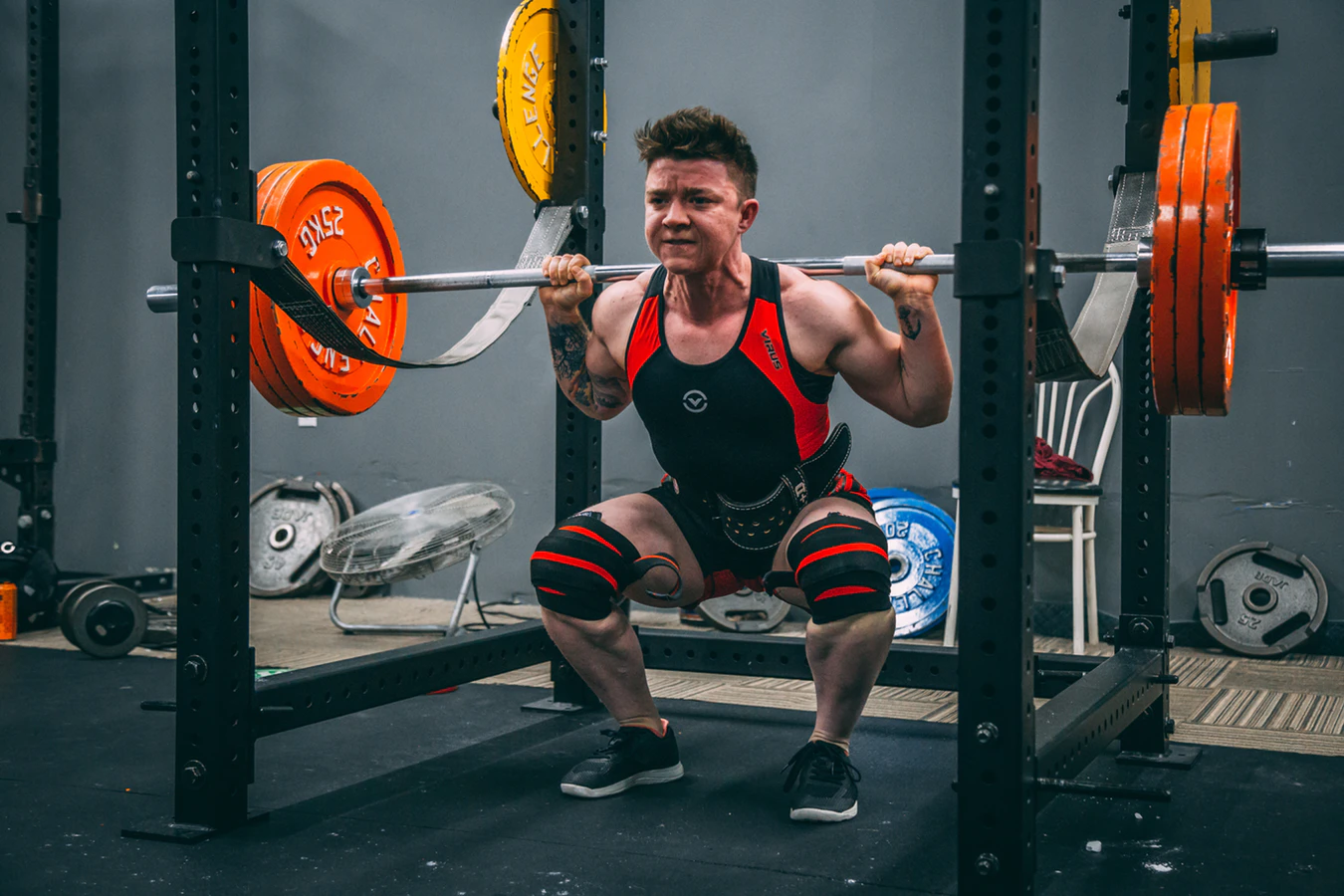
A power cage is the minimalist’s choice: a sturdy steel frame with adjustable safety bars, inside which you perform free-weight squats, bench presses, and deadlifts. There’s no guided path, which experienced lifters prefer, because free movement builds stabilising muscles that machines can not. However, beginners are usually better served starting with a stacked gym or Smith machine and graduating later.
Power cage suits people who already know their way around a barbell. The machine comes in three main types: basic racks, mid-range racks, and premium / all-in-one cages. Depending on complexity and brand, a power cage usually costs between $300 and $3,000.

Functional Trainer: Versatile
A functional trainer is a versatile cable-based machine that is an excellent addition to a home gym. This machine is suitable for individuals who want full-body strength building, joint-friendly isolation exercises, rehabilitation, and sports-specific movements.
This machine lets you move in multiple directions, which is ideal for people looking to replace multiple pieces of gym equipment with a single machine. Depending on the weight-stack capacity, build quality, and brand, machines generally range from $1,000 to $4,500.
Power Towers: Small Space, Bodyweight Focus
A power tower is a compact upright station for pull-ups, dips, leg raises, and push-ups. No weights, no cables, minimal floor space. For apartment dwellers or anyone focused on upper-body and core strength through bodyweight training, it delivers a surprising amount of gym for the money.
Three Questions Before You Buy
- How much space do you honestly have? Measure first, including ceiling height for anything with a pull-up bar.
- What’s your actual goal? General fitness points to a stack gym, maximum strength points to a Smith machine or cage, and bodyweight conditioning points to a tower.
- Will it grow with you? Look for adjustable seats and pulleys, upgrade-friendly attachments, and construction by an established brand that stocks replacement parts, because a machine that lasts 15 years is the one that ends up the cheapest.
Summary
When you choose a home gym setup, buy the machine that matches your goals and space rather than the most impressive one, and the math takes care of itself. A one-time purchase replaces years of membership fees, and the commute to your workout becomes a walk down the hall. Above, we have outlined the top home gym setups to choose from based on your space, budget, and fitness goals.


