
Introduction
Military drills are designed to push limits and sharpen readiness, but they can also introduce unexpected risks. Beyond standard protocols and checklists, lesser-known practices can dramatically reduce injuries and improve performance under pressure.
Fortunately, applying a few strategic safety measures can significantly reduce these numbers. Whether preparing for basic training or advanced tactical manoeuvres, safety is paramount. Below are three proven tips that drill sergeants and unit leaders can implement immediately.

1. Conduct a Comprehensive Risk Assessment & Pre-Drill Briefing
Before boots ever hit the parade deck, it is vital to articulate the risks using a structured framework like MIL-STD-882E. This process involves identifying hazards, assessing severity, determining likelihood, and implementing controls.
A thorough assessment must cover variables ranging from weather conditions to munition types. Medical support planning is equally critical, requiring identified on-scene corpsmen and clear MEDEVAC routes.
Data indicate that approximately 50% of female and 25% of male enlisted recruits sustain injuries during basic training. This
Quick-Glance Callout – Pre-Drill Briefing Template
- Mission objective & timeline: Clear start and end points.
- Roles and chain of command: Who is in charge of safety?
- Communications plan: Primary and alternate radio frequencies.
- Emergency actions: Protocols for CEASE FIRE and MEDIC.
Finally, end the briefing with an interactive Q&A to ensure comprehension. Include a 60-second teach back, in which a random trainee summarizes the safety points, to reveal communication gaps. This helps confirm that instructions are not just heard, but understood.
Tip: Do not assume silence equals comprehension. Implement a mandatory “teach-back” session where random trainees summarise safety points. This simple step reveals critical communication gaps before they evolve into field emergencies.
2. Equip Personnel with Proper Protective Gear
Ballistic, blunt-force, and environmental injuries may occur during drill injury logs. Matching Personal Protective Equipment (PPE) to the specific threat level is a must for unit safety.
Key PPE Items for High-Intensity Drills
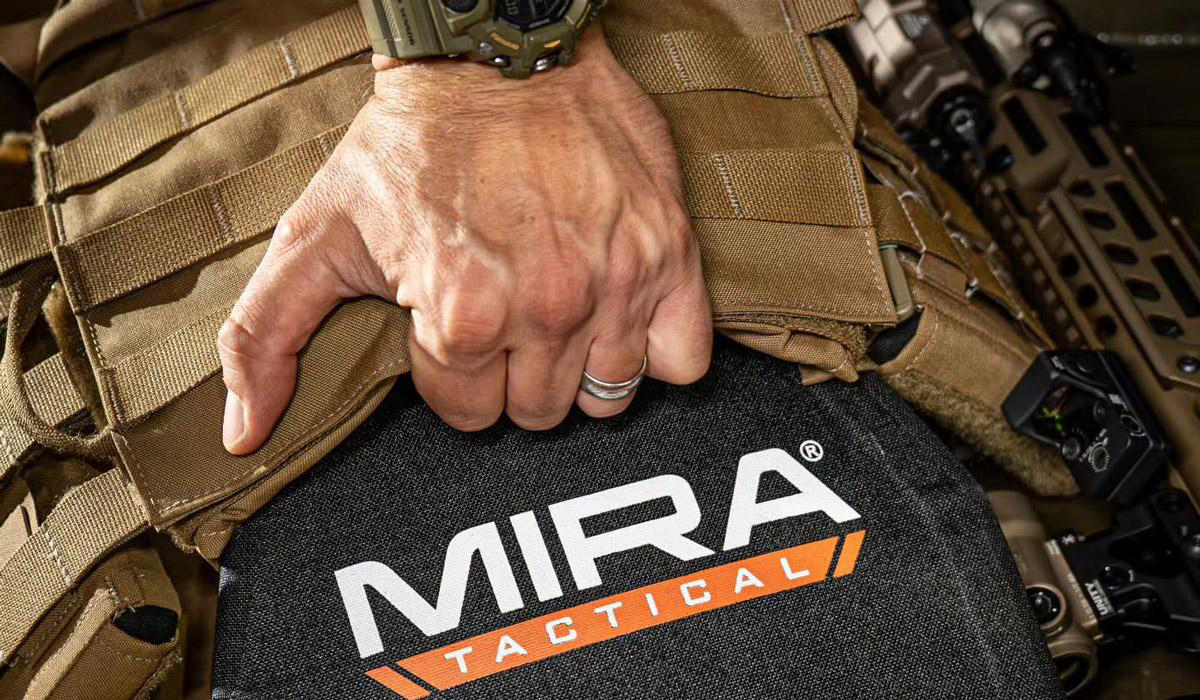
The standard for high-threat environments involves plates capable of stopping high-velocity rounds. Resources such as MIRA Safety’s premium and reliable Level IV body armour give units commercial-off-the-shelf access to that protection without waiting for formal acquisition cycles.
Beyond armour, helmets help mitigate the risk and severity of Traumatic Brain Injury (TBI), while eye protection significantly reduces ocular trauma that can lead to blindness. Cut-resistant gloves are vital for obstacle course rope climbs or breaching demos.
Furthermore, cold-weather evolutions require specific gear to maintain dexterity and prevent frostbite.
Gear-Up Checklist
- Verify NIJ certification or DoD (United States Department of Defense) spec for armour.
- Inspect plates for edge cracks or signs of wear.
- Function-test electronic ear protection and comms.
- Confirm glove dexterity with weapon manipulation drills.
3. Enforce Strict Weapons & Range Safety Protocols
Weapons mishandling remains the fastest way to convert training into tragedy. Whether executing a simple drill or a complex night-fire transition course, rigorous adherence to protocols is key. All personnel must treat every weapon as if it were loaded at all times.
- Pre-range inspection: Check ammo for calibre and lot number.
- Clear, redundant communications: Use radios and visual flags.
- Movement control: RSOs shadow each file during advancement.
- Cease-fire protocols: Shooters’ safe weapons immediately on command.
Incidents often arise from mixed-calibre ammo on the firing line or ambiguous commands. Unclear communication between instructors and shooters can lead to catastrophic failures. Additionally, improper cease-fire procedures during ammo changeovers are a frequent culprit for accidents.
To prevent these issues, utilise coloured flag indicators like red for cease fire and green for range hot. Implement a strict double-check system for ammo at the issue point. Finally, consider using roster scans to track who shot which lot number for forensic tracing if needed.
Tip: The fastest path to tragedy is complacency at the supply point. Common accident drivers include mixed-calibre ammunition and ambiguous commands. Enforce double-checks on all ammo issues and utilise visual flag systems alongside radios.
The Path Forward
Risk assessments, mission-appropriate PPE, and disciplined range protocols form a holistic safety net that keeps drills challenging yet controlled. Challenge your unit to audit one upcoming evolution against these three tips this week.
Start with the briefing template, verify every soldier’s gear, and walk the range step by step before the first round goes downrange. Stay trained. Stay protected. Keep the mission moving forward, safely.
Author Profile
MIRA Safety is a leading manufacturer of professional-grade gas masks and personal protective equipment for military, first responders, and civilians worldwide.


 Boot Camp & Military Fitness Institute
One thought on “3 Surprising Safety Tips for Military Drills”