
Introduction
Transitioning from a military career to a civilian profession offers a unique set of challenges and opportunities. For many veterans, the shift to healthcare offers an ideal path to continue serving others. While entering the healthcare field may initially seem daunting, the skills and experience veterans bring from their service position them for success. Strong leadership, discipline, and the ability to manage high-pressure situations make veterans highly suited for roles in patient care.
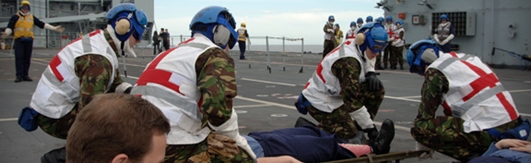
In this article, we will briefly explore how veterans can leverage their background to excel in the nursing profession, with an emphasis on the importance of education and physical fitness.
Here is what you need to know:
The Importance of Education in Nursing
For military personnel looking to enter the field of nursing, education is a vital stepping stone. While the military provides a solid foundation of valuable life and work experience, formal training is required to gain the credentials needed to practice in civilian healthcare settings. For those seeking a faster transition into nursing, programmes designed to build on prior military experience are an excellent option.
Accelerated nursing programmes offer a structured and efficient pathway to obtaining the necessary qualifications, often allowing veterans to complete the programme in a shorter timeframe than traditional options. These programmes are designed to recognise the unique challenges that veterans face and offer support tailored to their needs. For instance, many accelerated BSN programmes cater to individuals with previous healthcare experience, ensuring they can bypass redundant training and focus on more advanced aspects of nursing care.
In these programmes, veterans will be able to apply their leadership skills in managing patient care and gain the clinical knowledge required to make informed decisions. Many accelerated BSN options include classroom learning and hands-on clinical experience, ensuring veterans can develop the knowledge and practical skills necessary to excel in the field. This approach allows military personnel to leverage their previous training while acquiring the qualifications they need to thrive in nursing.
Military Skills That Transfer to Nursing
Veterans bring a wealth of transferable skills to the nursing profession. The military instils strong leadership, discipline, and problem-solving abilities, which are crucial for managing patient care and working effectively within a healthcare team. Military personnel are trained to make quick, and (hopefully) better decisions under pressure, a skill that directly benefits them in emergency medical situations. Their experience in structured, high-demand environments allows them to adapt easily to the rigorous nature of the healthcare field. These skills also make veterans well-suited for roles that require teamwork and collaboration, such as coordinating with doctors and other medical professionals. Veterans understand the importance of following procedures and maintaining a high standard of work, qualities that are indispensable in patient care.
Fitness and Health: Key Attributes for Nurses
The physical demands of nursing, such as lifting patients and staying on their feet for long shifts, are well-suited to the physical conditioning that many veterans already possess. Physical fitness plays an important role in the daily activities of a nurse. Being physically fit helps nurses endure long shifts, manage patient mobility, and maintain the stamina needed to meet the rigorous demands of the job. For military personnel, the physical training they underwent during their service provides a strong foundation for tackling these challenges in nursing.
Veterans are used to maintaining high standards of physical fitness and are accustomed to working through exhaustion. This ability to stay focused and manage their energy levels is particularly beneficial in healthcare settings where the demands are both mentally and physically taxing. Veterans’ experience with managing their physical health, along with their ability to perform strenuous tasks, makes them exceptionally well-suited for the demanding physical aspects of nursing.

How Military Experience Enhances Stress Management in Nursing
One of the most valuable skills veterans bring to nursing is their ability to manage stress. The military trains individuals to stay calm and think clearly in high-pressure situations, which is essential in the fast-paced and often emotionally charged world of healthcare. Military personnel are accustomed to dealing with stressful situations, whether it’s responding to emergencies or making critical decisions under pressure. This ability to maintain composure in the face of adversity is crucial in nursing, especially in situations where quick decision-making can mean the difference between life and death.
Veterans’ experience in high-stress environments also means they are adept at handling the emotional toll that can come with patient care. Whether it is managing the stress of treating critically ill patients or dealing with difficult family situations, veterans are equipped to handle it all. Their training helps them avoid burnout by staying focused and keeping emotions in check. This experience can also help them connect with patients who are going through difficult times, as they understand the importance of staying resilient in trying situations.
Communication Skills: A Strength Gained Through Military Service
Military personnel often come from backgrounds where clear and effective communication is critical. Whether coordinating with teams in the field or delivering complex instructions under pressure, military service fosters strong communication skills that directly translate to the nursing profession. In healthcare settings, communication is paramount to ensuring that all medical team members are on the ‘same page’, especially when it comes to patient care.
For military personnel, the ability to communicate clearly with patients, families, and healthcare teams is invaluable. This skill helps them explain medical procedures to patients, listen carefully to patient concerns, and collaborate effectively with doctors and other healthcare professionals. Effective communication is also key in high-stress environments, where the need to relay crucial information quickly can make all the difference in patient outcomes. Veterans are well-prepared to handle these situations due to their extensive experience in communicating in challenging and high-pressure environments.
Summary
Military personnel possess unique qualities that make them well-suited for a successful career in nursing. Their leadership skills, ability to handle stress, and strong communication abilities are assets that contribute to effective patient care. Education, particularly through accelerated nursing programs, offers veterans a streamlined path into the healthcare field, allowing them to fast-track their transition into nursing while building on the knowledge and experience gained during military service.
With opportunities for specialisation and a fulfilling career that focuses on helping others, nursing provides military personnel with a new avenue to continue their service and make a lasting impact on the lives of those they care for. As veterans enter the nursing field, they can draw on their past experiences to excel in this rewarding profession and find personal fulfilment in serving their communities once again.


 Boot Camp & Military Fitness Institute