
Introduction
This article is sponsored by Nurse Practitioner Degrees.
Transitioning from active duty into civilian roles comes with a lot of planning. For many service members, pursuing roles in patient care or wellness-related fields can be the next step. The structure, focus, and hands-on experience from service translate well into these paths.
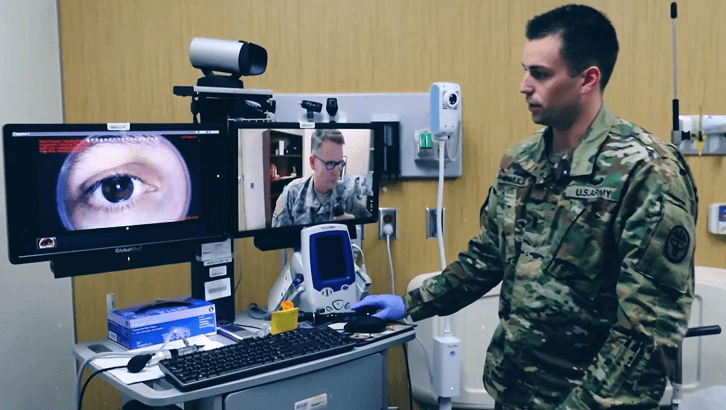
By combining knowledge in physical training and clinical care, individuals can position themselves for roles that offer purpose, impact, and long-term stability. As new roles emerge in clinics, rehabilitation centres, and wellness programmes, the demand for well-rounded professionals is rising. Some programs even provide an opportunity to move beyond traditional bedside roles into more advanced practice positions. These opportunities often require more than just experience. They also need focused academic preparation.
Let’s explore how service members can align their background with personal development to build a future in health-related work.
Here is what you need to know:
Why Service Experience Aligns with Patient-Focused Work
People who have served often bring strong work ethics, adaptability, and a results-driven mindset. These traits are valuable in medical settings where quick decision-making and calm under pressure are essential. Whether assisting in clinical settings or supporting physical recovery plans, the ability to follow structured protocols and communicate clearly stands out.
Team coordination, time management, and fast learning are already second nature for many who have worn a uniform. These traits help in roles that involve direct patient interaction, care coordination, or even long-term planning in wellness initiatives.
Advancing Clinical Preparation Through Structured Programmes
To move beyond basic roles in care delivery, academic pathways can make a major difference. Some structured programs are designed specifically for those who already have hands-on experience and want to build on it. These options allow people with a background in health services to transition into advanced clinical roles with a broader scope and deeper involvement in decision-making.
For example, the best BSN to DNP programmes offer comprehensive tracks that include diagnostic practice, treatment planning, and patient outcome strategies. These pathways are often built for working adults, with flexible formats like online coursework and hybrid models. Many also provide support through mentorship, peer learning, and access to hands-on clinical placements. Some even include preparation for leadership roles in care coordination or specialty practice areas.
The key advantage of these programmes is that they are not just about classroom learning. They focus on real-world problem-solving, communication, and applying advanced clinical judgement in day-to-day scenarios. Resources such as curriculum roadmaps, application guides, and professional planning tools help participants stay on track from start to finish.
How Physical Training Background Supports Patient Recovery
People who understand physical training often have a unique advantage when it comes to recovery support. Experience in physical readiness programmes or wellness coordination brings valuable insight into injury prevention, movement-based therapies, and overall performance optimisation.
This background can be used in roles where mobility planning, therapeutic exercise, and patient education are central. Some care facilities look for individuals who can bridge the gap between physical well-being and medical support. This combined knowledge improves how clients are supported during recovery or in long-term health maintenance settings.

Exploring Pathways Beyond Basic Certifications
There is more than one route to build a strong future in the clinical or wellness field. Some choose entry-level certifications to get started, while others go directly into associate or bachelor’s programmes. Those who already have foundational qualifications may seek out advanced training options for long-term development.
It is important to assess what works best based on current experience and future plans. Some roles may require additional credentials or practical hours, while others focus on communication, policy understanding, or care coordination. Exploring different routes helps individuals decide where to start and what goals to set for long-term progress.
Using Education Benefits for Continued Learning
Funding opportunities can help make transitions into new roles more manageable. GI Bill benefits, tuition assistance programmes, and Department of Veterans’ Affairs (VA)-supported grants are available for those who qualify. Many institutions also have advisors or veteran support offices to help with application processes.
Some programmes offer dedicated pathways for veterans, including flexible deadlines, remote access, and reduced tuition options. These resources make it easier to return to structured learning while still managing personal obligations. With the right plan, continuing academic development becomes more accessible and less financially stressful.
Wellness-Centred Roles Are Expanding Fast
Opportunities are not limited to traditional care tasks. Many people are now entering roles focused on prevention, lifestyle support, and community-based care services. This shift opens doors for those who can combine physical training experience with clinical knowledge.
For example, roles that focus on chronic condition support, movement therapy, or wellness planning are growing. These positions often look for individuals who understand how physical activity, nutrition, and clinical care work together. The ability to help clients build better daily routines, reduce risk factors, and stay active makes this background valuable across many settings.
Moving into Planning and Team Support Positions
Some roles involve more than direct support. They focus on coordination, problem-solving, and oversight. People with experience in structured environments often adjust well to roles that require planning, team organisation, or process improvement.
These positions may include areas like care coordination, project assistance, or even staff mentoring. The transition into these roles is often smoother for individuals who have already handled logistics, team dynamics, and structured communication during service.
In time, some choose to grow into planning-focused roles that support broader initiatives in clinics, outreach programmes, or group-based wellness services.
How Flexible Learning Options Make a Difference
Time is a real concern, especially for people balancing family or work commitments. Many advanced programmes now offer flexible options like evening classes, weekend intensives, or remote learning. This setup allows students to move forward without putting everything else on hold.
Some programmes use a hybrid model, mixing online coursework with in-person sessions to make learning more practical and manageable. This approach helps people apply what they learn while still staying active in work or family roles. It also reduces time spent commuting, which makes studying more accessible for those outside major cities.
Summary
People who have served bring a lot of value to health-related fields. Their background in structure, discipline, and human-centred support gives them an edge in real-world roles. By combining clinical learning with performance-based knowledge, they are well-positioned to build fulfilling, forward-moving futures.
Programmes designed to support this transition, especially those that offer flexible schedules, real-world applications, and support tools, can make the shift easier. Whether the goal is direct support, planning roles, or specialised work, the right training can make all the difference. The opportunities are there. It is just a matter of choosing the right path forward and staying open to continued learning.


 Boot Camp & Military Fitness Institute