
Introduction
Despite living in this modern era of technology, living with a disease that has no treatment can be difficult, a struggle that people with Charcot-Marie-Tooth (CMT) disease have to go through. Living with this disease can significantly impact mobility and independence.
However, with the right approach, exercise and physical therapy can play a crucial role in managing symptoms. Here is a brief guide to the type of exercises and therapies that can help individuals with CMT disease improve muscle strength, flexibility, and overall quality of life.

1. Stretching
Stretching is a vital component of physiotherapy for individuals with CMT disease. Given the increased risk of muscle contractures in people with CMT disease, stretching helps maintain muscle length and flexibility, reducing joint stiffness and improving overall comfort.
Gentle and slow stretching techniques are recommended. A specialised approach known as Proprioceptive Neuromuscular Facilitation (PNF) can be particularly beneficial. PNF involves using resistance from elastic bands or manual pressure to improve muscle strength and function without overexerting the skeletal and muscular systems. This method is particularly suitable for people with CMT disease as it helps to enhance muscle capacity while minimising fatigue. It is essential to perform stretching exercises under the guidance of a qualified physiotherapist.
2. Exercise
Regular physical activity is essential for individuals with CMT disease. Low-impact exercises such as walking, cycling, swimming, and light resistance training can improve overall well-being, and you can perform these activities at home or in a gym setting.
Consistent exercise has numerous benefits for people with CMT disease, including reduced fatigue, improved mood, and increased endurance. The goal is to maintain independence for as long as possible. However, it is crucial to listen to your body and avoid overexertion.
You should perform exercise at a low to moderate intensity. Any signs of excessive fatigue, weakness, muscle soreness, or cramping within 30 minutes of activity indicate that the intensity is too high and should be reduced. It is important to consult with a healthcare professional or physiotherapist to develop a personalised exercise plan. They can guide appropriate exercises, intensity, and duration to maximise benefits while minimising risks.
3. Physiotherapy
Early intervention is essential in CMT disease to prevent muscle weakness and sensory loss. Physical therapy is low-impact exercises emphasizing posture, balance, and strengthening. You may also consult a therapist to evaluate you for the need for orthotics (shoe high-tops, ankle-foot AFOs, or knee-ankle foot KAFO) to prevent falls and enhance mobility.
While most people affected by CMT disease never need wheelchairs, some in later stages may elect to use them for those longer distances so as not to become fatigued. Physiotherapy is vital in helping those with CMT disease maintain independence and quality of life.
4. Hydrotherapy
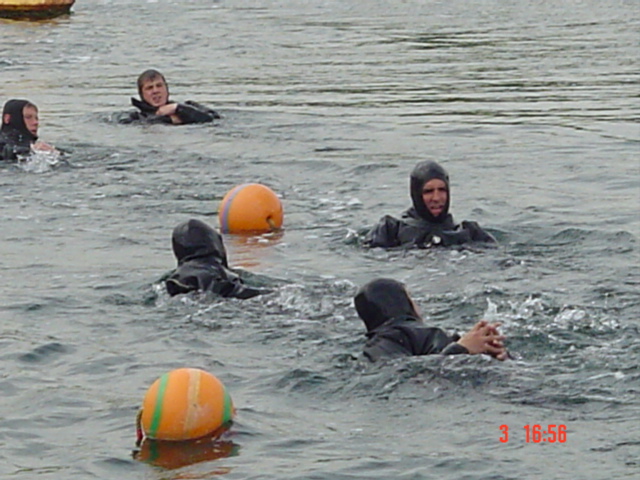
One way of managing CMT disease is through hydrotherapy or aquatic therapy. Aquatic physiotherapy is unique in that it allows people with CMT disease to exercise underwater as part of a group supervised by a physiotherapist.
Since water is buoyant, the weight-bearing stress of joints is significantly diminished, making it much easier and less painful to move for someone with CMT disease. Reduced stress on joints reduces pain and wards off destruction. At the same time, water resistance adds a gentle form of exercise for their muscles to maintain and improve strength without overworking them.
5. Occupational Therapy
Occupational therapy can help people with CMT disease overcome challenges in daily life. Occupational therapists identify specific difficulties you have, like dressing or writing, and develop practical solutions. By teaching new skills and recommending assistive devices, like special clothing or magnetic tools, occupational therapy can significantly improve independence and quality of life for individuals with CMT disease.
6. Improve Balance
Balance is very critical when it comes to executing day-to-day functions. Sensory changes may affect balance and function in those with CMT disease. Exercises including the following could be necessary and helpful for those with CMT disease to strengthen balance and posture:
- Pilates: A moderate to low-impact exercise system focused on core strength, flexibility, and posture. Pilates promotes muscle tone, balance, and coordination. It focuses on slow, deliberate movements and body awareness, which means it can perfectly match any fitness level. Consistent practice will help better manage symptoms of CMT disease and improve overall quality of life.
- Tai chi: Tai chi is a slow-movement martial art form from China. It mixes calisthenics, meditation, and philosophy. Tai chi enables improved balance, flexibility, and strength without risking falling or serious injury for people with CMT disease. While it originated in martial arts, it is more commonly practiced as a form of exercise with great health and stress reduction benefits.
- Yoga: This mind-body practice is a package of physical postures, breathing exercises, and meditation. Yoga can be very beneficial for people with CMT disease by lengthening the spine, improving flexibility and strength, and enhancing balance. For many, gentle styles of yoga such as Hatha or Yin are recommended. It can alleviate stress and improve health, provided you do it regularly.
Summary
By employing exercises and physical therapy, you can reduce the symptoms of CMT Disease. It may incorporate physiotherapy, hydrotherapy, and equalisation preparation like Tai chi, yoga, or Pilates. They are good for muscle strength, body flexibility, and wellness, which adds to the quality of life. Before starting any of these activities, consult a health professional for advice and guidance on pain management and tailoring these practices to your circumstances.


 Boot Camp & Military Fitness Institute