
Introduction
Disinformation now reaches recruits and service members before they ever step onto a range. Foreign actors study your feed, your habits, and your friends. Then they feed you content built to shift what you believe. Most of it looks ordinary; but that is the point. This quick guide breaks down how these campaigns work, why the military community is a top target, and what actually builds resilience against them.
What Disinformation Targeting the Military Looks Like
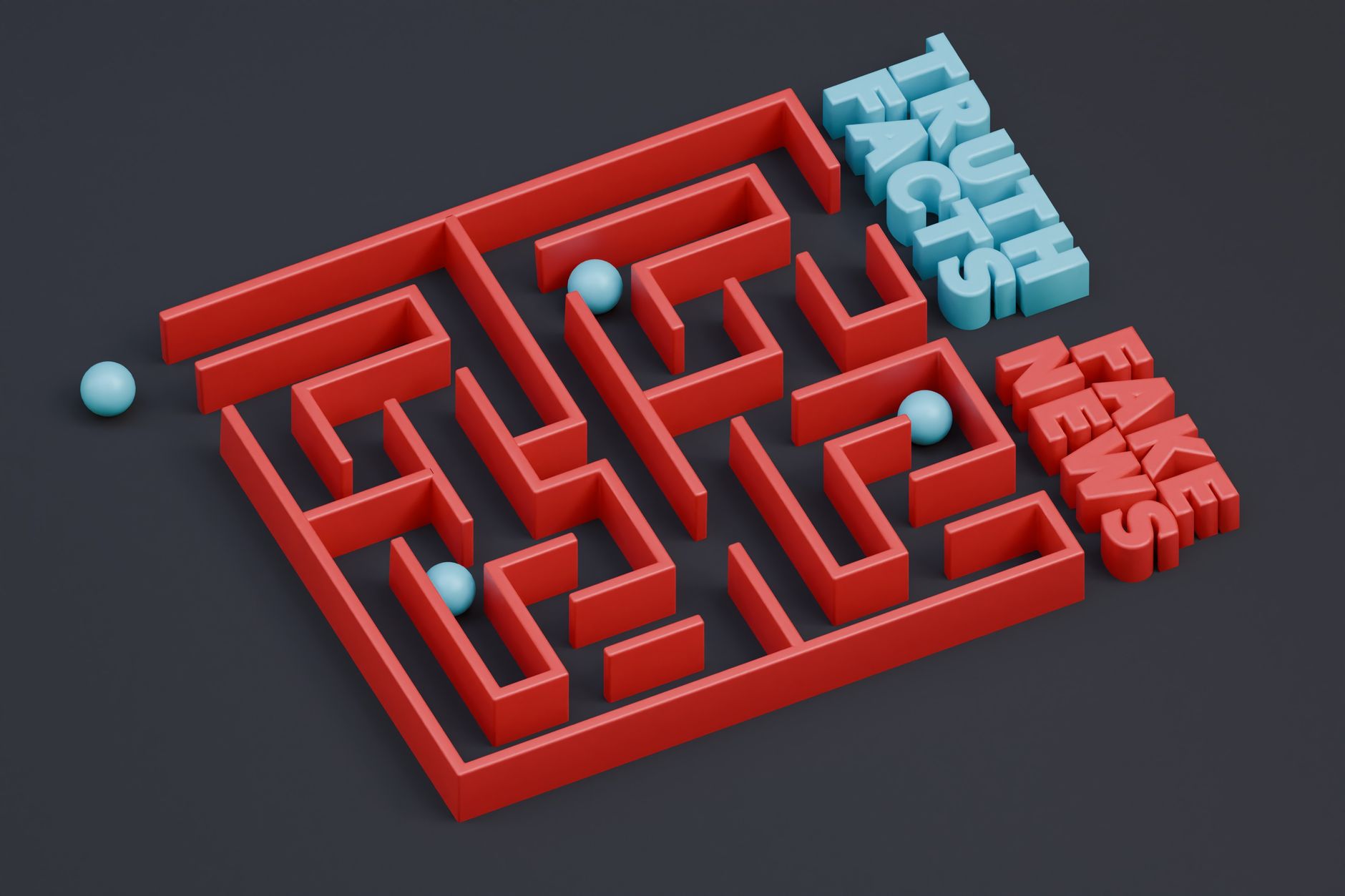
Disinformation targeting the military is coordinated deception aimed at troops, recruits, and their families. Foreign actors run fake accounts, impersonate trusted groups, and seed divisive memes.
The Vietnam Veterans of America spent two years investigating the problem. Their 2019 report described a persistent, pervasive, and coordinated campaign against the military community by foreign entities. The activity traced back to at least 32 countries. During and after the 2016 election, the Russian Internet Research Agency bought more than 100 ads aimed at followers of veteran accounts.
One tactic stands out. Investigators found a Facebook page run from Bulgaria posing as a veterans group. It copied the logos and drew more followers than the real account.
Why Service Members and Recruits Are Prime Targets
Attackers target the military community because its voice carries unusual trust. A message gains credibility the moment someone in uniform shares it.
The Trust Multiplier
Public trust in the military turns a casual repost into an endorsement. Troops and veterans lend authority to whatever they pass along, even by accident. That is exactly what a foreign operator wants. Veterans also vote, run for office, and shape the views of family and friends, which makes their reach worth buying.
Recruits and the Always-Connected Generation
Recruits face the same pressure with far less preparation. They grew up online and often carry large public footprints. They post PT runs, base check-ins, and countdowns to deployment. Each small detail helps a stranger build a profile. New troops rarely learn operational security before they learn Instagram.
The Operational Security Angle: When Fitness Apps Talk
Your workout data can expose far more than your pace. Fitness apps log where you run, when you run, and how often.
The Strava Heatmap Lesson
In January 2018, researcher Nathan Ruser noticed something strange on Strava’s global heatmap. Strava had published the map a few months earlier, and it aggregated about one billion activities. In quiet regions like Syria and Afghanistan, glowing jogging routes traced base perimeters and patrol paths. The US Department of Defense launched a review. Strava tightened its privacy options. WIRED called the episode the modern version of loose lips sink ships.
How Cheap Targeting Has Become
A NATO red team tested this weakness during a live exercise. Using open data and fake Facebook and Instagram accounts, researchers at NATO’s Strategic Communications Centre of Excellence identified 150 soldiers, located battalions, and tracked movements. They even pushed some troops toward undesirable behaviour. The targeted ads cost about $60. StratCom director Janis Sarts put it plainly: “every person has a button.”
From Data to Influence: The Rise of Cognitive Warfare
Stolen attention is only the first step towards changed behaviour. These campaigns fit a broader shift analysts call cognitive warfare, where the target is perception rather than territory.
The aim is to move what a population believes, feels, and decides. Often that happens long before any physical confrontation. NATO points to narrative intelligence, the practice of mapping how stories form and spread, as a core way to study the threat. For a service member, the lesson is direct. A meme, a comment, or a fake group can act as a weapon.
What This Means for Morale, Cohesion, and Readiness
Disinformation attacks readiness by attacking trust, working from the inside rather than at the perimeter.
Attackers build these campaigns to exploit differences and stoke suspicion of anyone who disagrees. That erosion threatens unit cohesion and, in turn, national security. Morale drops when troops start to doubt their leaders, their mission, or each other. Attackers target families too, which adds strain at home and follows the service member back to work.
How to Build Resilience Against Online Manipulation
Resilience starts before the next false post lands in your feed. The strongest defence is a trained eye, not a fact-check after the damage is done.
Researchers call this approach prebunking, or psychological inoculation. A large study led by Roozenbeek and van der Linden found that short videos teaching manipulation tactics helped viewers spot them, including a YouTube field test with more than 22,000 people. Prebunking works for a clear reason. Correcting a lie after it spreads rarely erases its effect, a pattern known as the continued influence effect.
Build these habits into your routine:
- Lock down privacy settings on fitness and social apps, and turn off public location sharing.
- Strip geotags and delay posts about training, travel, or deployment.
- Verify before you share. Check the source, the date, and the age of the account.
- Watch for emotional bait. Operators engineer outrage and fear to make you repost.
- Report impersonation of units, bases, or veteran groups when you find it.
- Talk about it. Units that name these tactics out loud resist them better.
Defence analysts have pushed the same idea up the chain. Reviews of the threat have urged commanders to add personal cybersecurity training and regular cyber-hygiene checks for all service members.
Summary
Disinformation aimed at service members and recruits is cheap, constant, and personal. It exploits trust, feeds on shared data, and works best when nobody names it. You do not need to be a Cyber expert to push back. Tighten your settings, slow down before you share, and treat your feed as terrain worth defending.


