
Introduction
Military relocation cycles continue influencing housing markets across large parts of New Jersey, particularly around Joint Base McGuire-Dix-Lakehurst and transportation corridors connecting service members to the wider Northeast United States continental region.
While national discussions around military readiness often focus on recruitment, deployment, and operational planning, housing mobility remains one of the most immediate realities affecting military families and veterans transitioning between assignments.

Unlike conventional residential moves, military relocations operate on compressed timelines, changing duty requirements, and strict administrative coordination. Orders can shift rapidly, lease timing becomes critical, and homeownership decisions often happen under far tighter scheduling pressure than standard civilian transactions.
In New Jersey, these dynamics create a distinct layer within the regional housing market.
Military Assignments Create Constant Housing Turnover
Joint Base McGuire-Dix-Lakehurst remains one of the largest military installations in the Northeastern United States. The base supports active-duty personnel, reserve units, Air Force operations, logistics training, and transportation commands that generate steady population movement throughout surrounding counties.
This mobility affects communities including:
- Burlington County;
- Ocean County;
- Monmouth County;
- Mercer County; and
- Camden County.
Military housing demand behaves differently from ordinary suburban growth patterns because assignment rotations continuously introduce new buyers and renters into the same local markets.
Permanent Change of Station orders, commonly known as PCS moves, often force families to relocate with relatively short preparation windows. That timing pressure influences everything from mortgage decisions to school district selection and temporary housing availability.
The Department of Defense continues tracking PCS policies because relocation costs and housing stability remain major operational concerns for military readiness and retention.
Unlike conventional buyers, military families frequently prioritise:
- Commute access to base facilities;
- Flexible resale potential;
- Rental conversion options;
- VA loan compatibility;
- Property tax considerations; and
- Rapid closing timelines.
This creates recurring demand patterns that local real estate markets eventually adapt around.
VA Loan Homes Create Different Selling Challenges
Selling a military-connected property involves more than standard residential listing strategy. Homes purchased through Veterans Affairs (VA) financing often carry additional considerations tied to occupancy timelines, entitlement restoration, refinancing conditions, and relocation schedules.
That becomes especially important for military families balancing outgoing orders while trying to secure replacement housing elsewhere.
Many homeowners navigating VA loan home sales discover that timing matters just as much as pricing. Delayed closings can disrupt military transfer schedules, while rushed listings sometimes create unnecessary financial pressure during relocation.
The structure of VA-backed financing also shapes buyer behaviour in military-heavy regions. VA loans continue supporting homeownership access for veterans through reduced down payment requirements and federally backed guarantees. The Department of Veterans Affairs regularly updates guidance around housing benefits because these programmes remain central to veteran homeownership nationwide.
However, military sellers often encounter additional complications:
- Pending reassignment orders may shorten negotiation flexibility.
- Temporary duty assignments can interrupt showing schedules.
- Interstate relocation costs increase financial pressure.
- Housing markets near installations fluctuate with operational changes.
Some service members also retain former properties as rentals after reassignment, particularly when market conditions make immediate selling less practical. That contributes to unusually high investor ownership rates in some military-adjacent communities.

New Jersey’s Geography Complicates Relocations
Military movement through New Jersey operates differently than in many southern or western base communities because the region’s density creates transportation and affordability challenges not always present elsewhere.
Commute times near the base can vary significantly depending on traffic patterns, toll routes, and housing availability. Families often balance military access against broader employment opportunities tied to Philadelphia, Trenton, or northern New Jersey.
That creates overlapping housing pressures between civilian commuters and military households.
The state’s property taxes also influence long-term decisions. New Jersey consistently ranks among states with the highest property tax rates in the country, which affects affordability calculations for both active-duty personnel and veterans transitioning into civilian employment.
Some military families therefore prioritise:
- Smaller homes with lower tax exposure;
- Multifamily housing options;
- Rental flexibility after reassignment;
- Shorter mortgage commitments; and
- Proximity to transit corridors.
The result is a housing market shaped partly by mobility rather than purely by permanent settlement.
Transitioning Out of Service Changes Housing Priorities
Housing decisions often become even more complicated during military separation or retirement.
Leaving active duty usually means losing predictable relocation structures that previously guided housing planning. Veterans transitioning into civilian careers must suddenly reassess where long-term employment, healthcare access, and family support systems align most effectively.
That shift frequently reshapes housing preferences.
Service members approaching separation may begin prioritising:
- Civilian job markets;
- Veterans healthcare access;
- Educational opportunities;
- Cost of living stability;
- Long-term retirement planning; and
- Reduced commute dependence.
Military transition programmes increasingly recognise housing stability as part of broader reintegration planning. Resources discussing military transition often emphasise how financial preparation, employment strategy, and relocation coordination all overlap during separation from service.
New Jersey’s location near multiple major metropolitan economies makes it attractive for some veterans seeking post-service employment flexibility. Others leave the region entirely due to housing costs and tax burdens.
These migration patterns continue affecting turnover rates in military-heavy communities.
Rental Markets Also Feel the Impact
Military relocations influence rental inventory almost as heavily as home sales.
Short assignment timelines, training rotations, and temporary duty periods create sustained demand for flexible lease structures near installations. Landlords in military-adjacent markets frequently adapt policies around deployment schedules, reassignment orders, and military housing allowances.
This creates somewhat different rental dynamics compared to conventional suburban markets.
Properties near Joint Base McGuire-Dix-Lakehurst often experience:
- Faster tenant turnover;
- Seasonal demand fluctuations;
- Increased short-notice vacancies;
- Higher furnished rental demand; and
- Greater emphasis on lease flexibility.
Federal law also shapes these arrangements. The Servicemembers Civil Relief Act establishes legal protections tied to lease termination and deployment-related relocation rights. Agencies overseeing military protections continue enforcing housing-related provisions because relocation obligations remain central to military service.
These legal frameworks affect both landlords and tenants throughout military-connected housing markets.
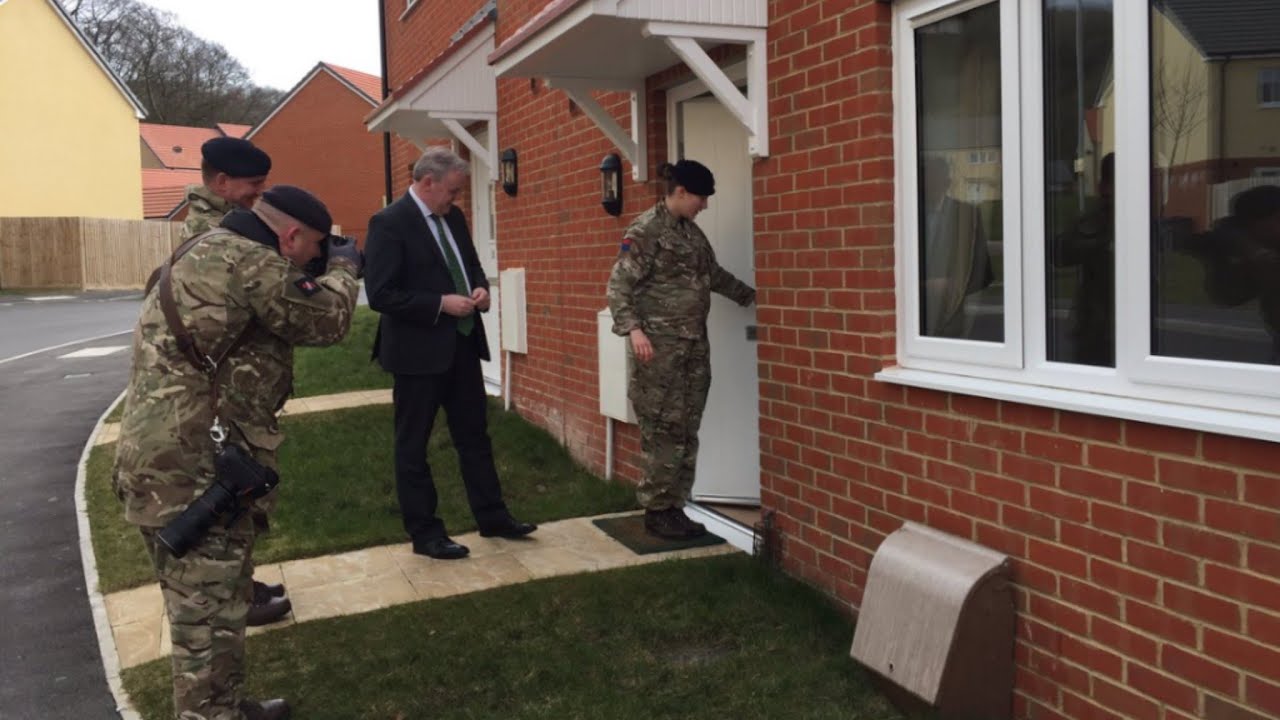
Operational Changes Affect Local Housing Patterns
Military housing activity can also shift based on broader defence planning decisions.
Changes in force structure, training operations, reserve deployments, or mission assignments may alter population flows around installations over time. Communities surrounding military bases therefore remain unusually sensitive to federal operational policy compared to standard suburban markets.
Infrastructure spending matters too.
Road improvements, healthcare facilities, school capacity, and commercial development near installations all influence whether military households choose to buy, rent, or relocate elsewhere after service.
In New Jersey, regional housing pressure combines with military mobility in ways that create unusually active turnover cycles relative to many surrounding suburban areas.
Military Mobility Continues Shaping the Market
Housing near military communities rarely behaves like a fully stable residential market because the population itself remains highly mobile.
- Assignments change.
- Orders shift.
- Deployments interrupt timelines.
- Retirement decisions alter long-term planning.
In New Jersey, these realities continue shaping local real estate patterns around one of the country’s most strategically important military regions. The impact extends well beyond base gates themselves, influencing mortgage demand, rental activity, school enrolment patterns, and long-term property ownership across multiple counties.
Summary
For military families and veterans, relocation is not simply a move between homes. It is often part of a much larger operational transition requiring financial coordination, administrative planning, and rapid adaptation to changing circumstances.
And in New Jersey, that movement remains deeply connected to how the surrounding housing market continues evolving.


