
Introduction
In the theatre of operations, threats are usually identified by sight or sound, such as a hostile force, an incoming projectile, or a mechanical failure. However, one of the deadliest adversaries facing military personnel is entirely invisible, namely, hazardous atmospheric conditions within confined spaces.
From the fuel cells of an F-35 and the ballast tanks of a naval destroyer to the maintenance hatches of an armoured personnel carrier, confined spaces are ubiquitous in military infrastructure. They are also notoriously unforgiving.
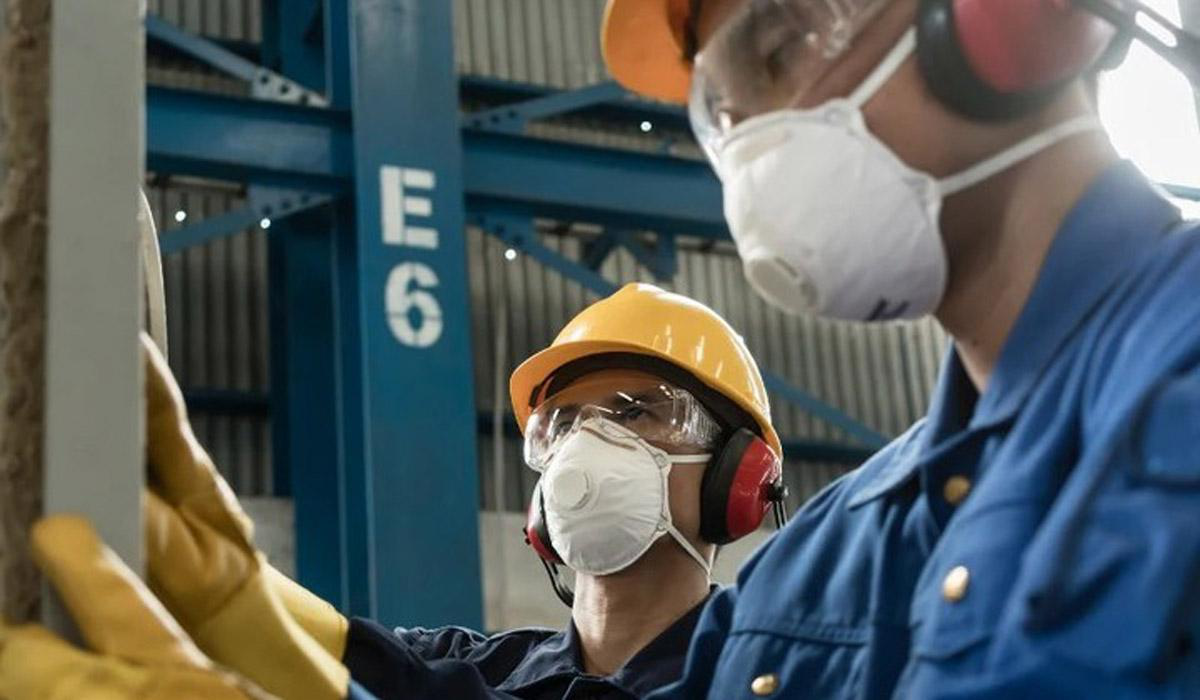
For military safety officers and maintenance crews, the margin for error in these environments is non-existent. Unlike standard industrial settings, military confined space entry often occurs under time-critical pressure or in austere environments, making strict adherence to safety protocols even more vital for force readiness.
Below, this article will briefly outline eight proven tips for mastering gas safety in military confined spaces, ensuring that your invisible enemy never gains the upper hand.
Understanding the Threat Landscape
Military confined spaces differ from their civilian counterparts in three key ways.
- First, dynamic weapons and fuel loads release toxic vapours not usually present in municipal work.
- Second, rapid-cycle operations compress inspection windows, often inviting shortcuts.
- Third, the layered command structure can confuse, which stalls emergency response.
Regulatory foundations remain the same, such as OSHA 29 CFR 1910.146. This regulation establishes mandatory requirements for atmospheric testing, entry permits, attendant duties, and rescue procedures that apply universally to military installations operating within US jurisdiction.
However, commanders should also reference U.S. Army TC 21-3 and relevant Air Force TOs. Air Force Technical Orders (TOs) contain aircraft-specific confined space entry protocols for maintenance on fuel cells, avionics bays, and other restricted-access compartments.
Hydrogen Sulfide is the second most common cause of fatal gas inhalation incidents, following only carbon monoxide. Awareness of these specific agents is critical for team survival.
Mitigating atmospheric hazards requires more than reactive monitoring. It requires a proactive strategy grounded in proven control measures. The following eight actionable tips provide a comprehensive framework to effectively minimise gas exposure risks and protect personnel in hazardous environments.
1. Pre-Entry Atmospheric Testing
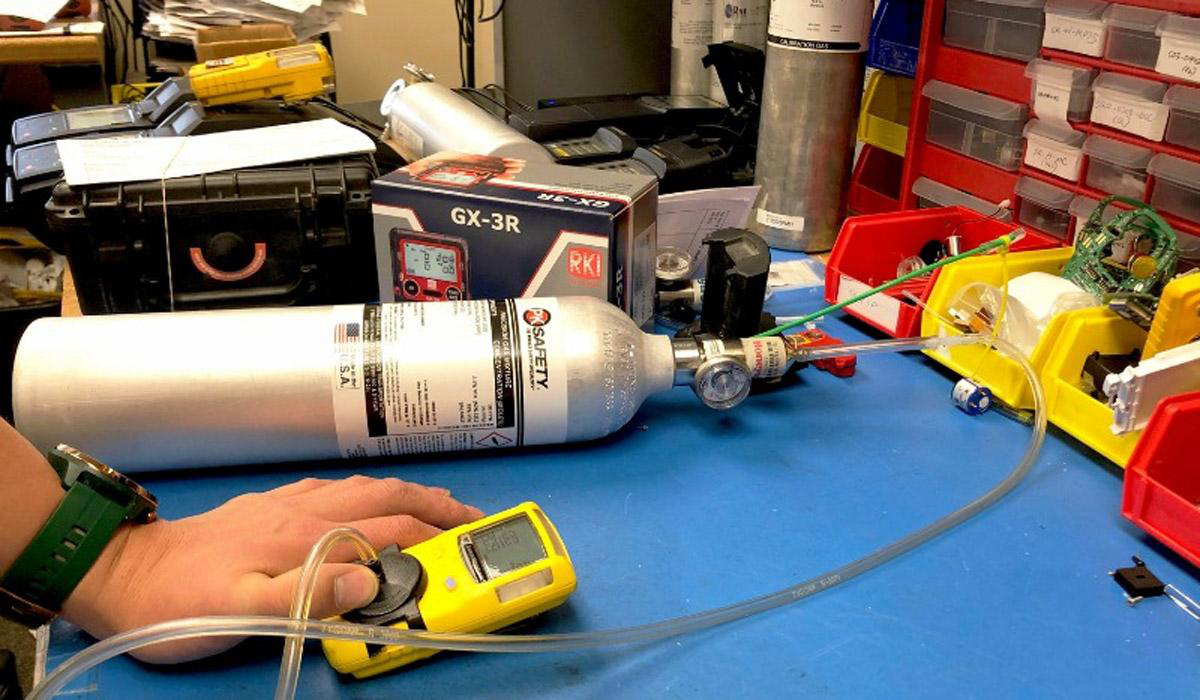
Before any soldier enters a tank hull, sample the air. Test at every level, including the top, middle, and bottom, using a calibrated four-gas detector. Always perform a bump test to verify alarms before use.
Field units can source mission-ready monitors from several suppliers. Resources such as PK Safety’s reliable multi-gas detector catalogue consolidate multiple brands. This makes it easier to choose devices that meet MIL-STD drop requirements.
2. Continuous Monitoring During Drills
Testing once is not enough because gas concentrations shift. Keep detectors on throughout the exercise and assign one soldier as the alarm response lead.
3. Verified Ventilation Management
Portable blowers are vital, but only if airflow paths are mapped correctly. Position blowers upwind of exhaust outlets to prevent re-entrainment of fumes. Use ducting long enough to clear bends and dead zones.
4. Detector Calibration Records
Even the best instrument drifts over time. Perform daily bump checks and monthly span-gas calibration against certified mixtures. Log serial numbers and readings in a digital form.
5. Pre-Drill Briefings
Briefings should cover the latest gas readings and PPE requirements. Enforce a two-in/one-out rule for every entry. Nobody enters alone, and one trained attendant must remain outside.
6 .Equipment Integrity Checks
Leaks create hazards faster than you can detect them. Leaks from worn hose gaskets or seals compromise systems quickly by allowing fluid escape, which can lead to efficiency drops, contamination, or hazardous failures before visual or sensory detection occurs.
Worn seals must be replaced immediately upon detection to avoid cascading damage, as delays risk full system compromise, per expert sources on rubber oil seals and hydraulic maintenance. This ensures pressure retention and prevents downtime.
7. Clear Safety Signage
Mark entrances with “Permit-Required Confined Space” signs. Inside, install photoluminescent arrows pointing to exits. Smoke or loss of lighting must not obscure these escape routes.
8. Post-Exercise Debriefs
Review alarm events and near-misses to identify patterns. Update Standard Operating Procedures (SOPs) based on this data to prevent future incidents.
Embedding Gas-Safety Practices into Daily Routines
Gas safety in military confined spaces is not just about following protocols during emergencies. It is about making safety an integral part of every soldier’s daily operations. When gas safety practices become second nature, response times improve, accidents decrease, and operational readiness increases.
Making Safety Checklist Automatic
The most effective gas safety programmes transform critical procedures into habitual actions. Start each shift with a standardised pre-entry checklist that includes atmospheric testing, equipment verification, and communication system checks. When these steps become as routine as securing your weapon or checking your gear, compliance becomes effortless and universal.
Building a Culture of Buddy Accountability
Military units thrive on the buddy system, and gas safety is no different. Assign teams for all confined space entries, with one person serving as the attendant who remains outside. This attendant actively monitors atmospheric readings, maintains communication, and stays prepared to initiate rescue procedures if needed.
Integrating Technology into Daily Workflow
Modern gas detection technology should be as accessible as standard communication equipment. Issue personal gas monitors to personnel working in or around confined spaces, and incorporate monitor checks into daily equipment maintenance routines. Treat these devices like mission-critical gear because they are.
Creating Visual Reminders and Decision Aids
Human memory is fallible, especially under stress. Post laminated quick reference cards at entry points to confined spaces that outline critical steps: atmospheric testing parameters, required PPE, and emergency contact numbers.
Use colour-coded tags or lockout tagout systems to indicate space status. These visual systems provide instant situational awareness and prevent unauthorised entries.
The Path Forward
Gas exposure risks in military confined spaces are unforgiving but entirely manageable. By deploying calibrated detectors and responding instantly to alarms, safety officers prevent tragedies. Institutionalising rigorous checklists transforms confined-space drills into routine training evolutions.
Implement the daily routine checklist at your next training cycle. Consult, for example, OSHA 1910.146 and Army TC 21-3 for deeper study. Keep sharpening your force’s readiness edge.
Author Profile
PK Safety is the leading online retailer and supplier of industrial safety equipment and personal protective equipment for workers across all industries.


 Boot Camp & Military Fitness Institute