
Introduction
Enhanced water is a category of beverages that are marketed as water with added ingredients, such as natural or artificial flavours, sugar, sweeteners, vitamins and minerals. Most enhanced waters are lower in calories than non-diet soft drinks.
Refer to Functional Beverage, Smart Drink, Sports Drinks, and Energy Drink.
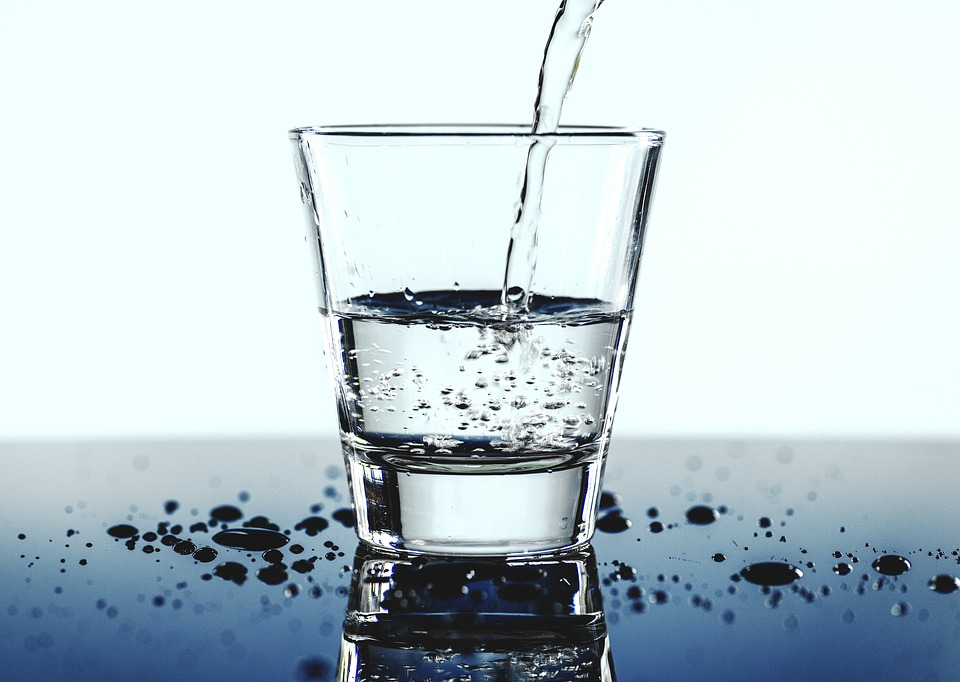
PepsiCo, The Coca-Cola Company and other companies market enhanced water. The marketing usually capitalises on the healthy image of water combined with the perceived health and taste. Bottled water was introduced to the US by television commercials in 1977. After the television commercial, bottled water sales increased by 3,000 percent from the year 1976 to the year 1979. In the year 2004, Americans spent $9 billion on bottled water. Many companies produce enhanced water in the US. The enhanced water category of beverage continues to grow in volume every year, and as of 2007 was the fastest-growing segment of the still beverage category. In 2001, flavoured and enhanced water sales were estimated $80 million, and 2002 proved even more successful with $245 million in sales. The US wholesale market for enhanced water was $170 million in 2004.
Enhanced waters vary from zero-calorie beverages certified organic and flavoured with natural herb extracts, such as Ayala’s Herbal Water, to the Glacéau brands of beverages owned by The Coca-Cola Company. In May 2007 Coca-Cola bought Energy Brands, the maker of Glacéau Vitamin water, for $4.1 billion to narrow its gap with competitor PepsiCo. This was the largest acquisition in the company’s history. PepsiCo owns several brands of enhanced water such as SoBe, Propel Fitness Water, and Aquafina Flavorsplash. Coca-Cola owns the brands smartwater, vitaminwater and Dasani.
Ingredients
Ingredients used as enhancements in the water include hydroxycitric acid, chromium picolinate, epigallocatechin gallate, potassium, vitamin C, vitamin B6 and vitamin B12.
This page is based on the copyrighted Wikipedia article < https://en.wikipedia.org/wiki/Enhanced_water >; it is used under the Creative Commons Attribution-ShareAlike 3.0 Unported License (CC-BY-SA). You may redistribute it, verbatim or modified, providing that you comply with the terms of the CC-BY-SA.


 Boot Camp & Military Fitness Institute