
Introduction
Bodyweight (or calisthenic) exercises use your own body weight to resist gravity. They require no equipment and are versatile and accessible. These exercises were a mainstay of ancient warrior training. The Greeks, Romans, and Egyptians used them to build strength and endurance. Fast forward to today, and they are still a core part of military fitness. Soldiers use them to build functional strength, agility, and operational readiness.
However, bodyweight exercises are not just about physical conditioning; they build mental resilience and discipline. From basic training to advanced combat prep, bodyweight exercises are essential for military personnel.
Why Proper Technique Matters in Bodyweight Exercises
Bodyweight exercises develop functional strength, not just muscle. It is a lot about preparing soldiers for mission-specific tasks, like lifting heavy gear or navigating rough terrain with agility and precision. This type of strength developed through exercises like push-ups (press-ups), pull-ups (heaves), and squats means soldiers can perform in real life combat scenarios.
However, proper form and technique are key to avoiding injury and maximising efficiency, especially for military tasks that require precise movement and control. There are a range of programmes offered by providers that specialise in refining these skills.
With a focus on calisthenics and functional movement, their certified coaches will guide you through bodyweight exercises tailored to your fitness level and needs. Through their personalised programmes, you develop the discipline and resilience to withstand physical challenges and mental focus for tactical situations.
Exercises to Master for Military Fitness
While military programmes can be quite complex, you must learn how to master the basic movements to be more flexible when transitioning to more advanced moves. For instance:
Push-Ups (Press-Ups)
Push-ups work the chest, shoulders, triceps, and core, with secondary effects on the back and lower body. Essentially a compound exercise, push-ups focus more on upper body strength and stability.

This bodyweight exercise helps build explosive strength for combat movements like shooting, carrying equipment, or lifting heavy objects in the field. Regular push-ups also build endurance for prolonged physical activity under stress. Strengthening the upper body and core also reduces injury risk during high intensity tasks. Higher push-up counts equal lower cardiovascular disease risk and better stress management, both important for soldiers in high stress environments.
Pull-Ups (Heaves)
Pull-ups are a fundamental part of military fitness where you need to lift 100% of your body weight. This exercise targets lats, traps, and arms, which are essential for tasks that require upper body strength like carrying gear or climbing obstacles.

By performing this exercise regularly, you can build the real-world strength required for climbing ropes, hauling gear, and lifting over ledges. Strength developed here helps soldiers in obstacle courses, basic training and emergency situations.
Furthermore, tactical grip strength is key and pull-ups ensure soldiers can grip weapons and equipment under stress. Also, pull-up training keeps weight down and boosts lean body mass and overall physical ability.
Squats
Squats build explosive power in the legs for jumping, springing, and combat movements. They enable you to apply force to the ground so you can run faster and jump higher. Research shows that proper squat training may help increase vertical jump height.

Squats mimic movements for tactical operations like lifting, carrying and navigating rough terrain. They promote functional mobility and reduce the risk of injury from repetitive or heavy lifting tasks. There are other exercises as well, but ultimately, you can divide them into 4 categories and pick according to your goal. For instance:
- Combat fitness test preparation: These exercises are to increase endurance, strength, and mobility. The most common exercises in this category are push-ups for upper body strength, lunges for leg and trunk stability and squats for stronger legs. A training routine example would be lunges, push-ups, and squats for three to four weeks, and an increase in volume over time to build strength.
- Obstacle course training: The purpose of these exercises is to improve agility, build functional strength and even problem solving skills. The best exercises in this category are pull-ups to train grip strength and upper body strength; dips to strengthen triceps and chest to climb obstacles; and burpees to improve endurance. In your training, you can include obstacle specific exercises, such as monkey bars and climbing with dips, pull-ups, and burpees to mimic obstacle courses.
- Rucking and load-bearing: The exercises in this category are primarily used to build the endurance and strength needed to carry heavy loads. The best options include squats to train the core and improve lower body strength for rucking and calf raises that help improve ankle stability. A good routine would involve carrying a backpack with 10% to 25% of bodyweight for ruck marches. Do not forget to add lunges and squats to the routine for better results.
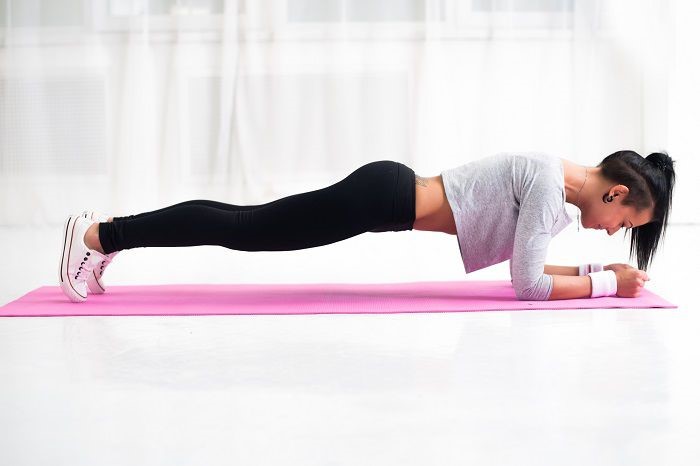
- Tactical movement drills: The basic goal of exercises in this category is to ensure efficient movement under stress. The best exercise options include lunges and squats for balance and mobility, as well as planks to stabilise your core muscles and maintain posture under tension. During your training routine, begin with planks, squats and lunges added to your warm-up drills to get ready for tactical situations.
Summary
Bodyweight training can help build the agility, strength, and resilience needed for military fitness. These exercises may look simple but they lay the groundwork for functional fitness. Be sure to work with an expert to maximise the effectiveness and ensure you’re ready for the unpredictable demands of service.


