An Overview of Lactate Threshold

Introduction Lactate inflection point (LIP) is the exercise intensity at which the blood concentration of lactate and/or lactic acid begins to increase rapidly. It is often expressed as 85% of maximum heart rate or 75% of maximum oxygen intake. When exercising at or below the lactate threshold, any lactate produced by the muscles is removed… Read More

What is Exercise-Associated Muscle Cramp?

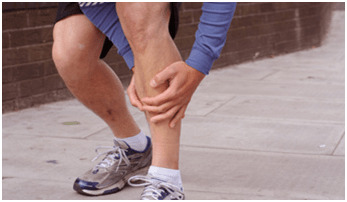
Introduction Exercise-associated muscle cramps (EAMC) are defined as cramping (painful muscle spasms) during or immediately following exercise. Muscle cramps during exercise are very common, even in elite athletes. EAMC are a common condition that occurs during or after exercise, often during endurance events such as a triathlon or marathon. Although EAMC are extremely common among… Read More

What is Exercise-Associated Hyponatremia?

Introduction Exercise-associated hyponatremia (EAH) is a fluid-electrolyte disorder caused by a decrease in sodium levels (hyponatremia) during or up to 24 hours after prolonged physical activity. This disorder can develop when marathon runners or endurance event athletes drink more fluid, usually water or sports drinks, than their kidneys can excrete. This excess water can severely… Read More