
Introduction
Varicose veins, commonly found in the legs due to weak valves that allow blood to pool instead of returning directly to the heart, are an increasingly prevalent problem among older adults and individuals with family histories of vein problems. While staying fit is critical in military service and other physically demanding professions, varicose veins can adversely impact performance through pain, discomfort and reduced endurance.

Varicose veins can make it harder for us to stay active and perform in roles requiring intense physical activity. Therefore, early intervention with varicose veins is essential in order to prevent them from becoming an obstacle to physical fitness and overall well-being.
This article investigates their impact on fitness levels as well as strategies for dealing with this condition while staying physically active.
The first of three articles on the topic of varicose veins (article 02 and article 03).
Understanding Varicose Veins
Varicose veins, often found in the legs, are enlarged, twisting veins that become visible over time. Varicose veins occur when the valves that help blood travel toward its source become weak or damaged and pool with blood, eventually swelling to form bulging spots that give varicose veins their distinctive look.
Varicose veins are closely tied to increased pressure in veins. Long periods of standing, obesity and pregnancy can all increase this pressure, increasing its likelihood and making varicose veins more likely. As we age, our vein walls and valves naturally weaken.
Varicose vein symptoms often include aches and swelling in the legs. Other people may feel heavy and fatigued. Some individuals also experience itching or burning around affected veins. While varicose veins are considered cosmetic issues, untreated cases could lead to more serious consequences in time.
For a basic understanding of varicose veins, you can refer to this guide. This resource provides a clear overview of the condition and its common symptoms.
Varicose Veins and Their Effects on Physical Fitness
Varicose veins can have an enormously detrimental impact on physical activity, particularly during exercises such as running and weightlifting. Varicose veins cause pain in the legs, making it hard to engage in activities requiring prolonged standing or movement like running, for instance. Running can become especially challenging due to increased pressure in veins which leads to fatigue and reduced endurance; discomfort forces many individuals to reduce activity levels, ultimately diminishing overall physical performance.
Weightlifters with varicose veins often experience difficulty as lifting heavy weights adds extra pressure to already straining veins, worsening symptoms. This pain may interfere with proper form and technique during exercises; ultimately leading to diminished strength and stamina over time.
Varicose veins present an additional risk during exercise. Weakened veins and poor circulation put legs more at risk for cramps, strains and blood clots which pose significant health threats; those living with varicose veins should therefore exercise with extreme caution, particularly high-impact exercises.
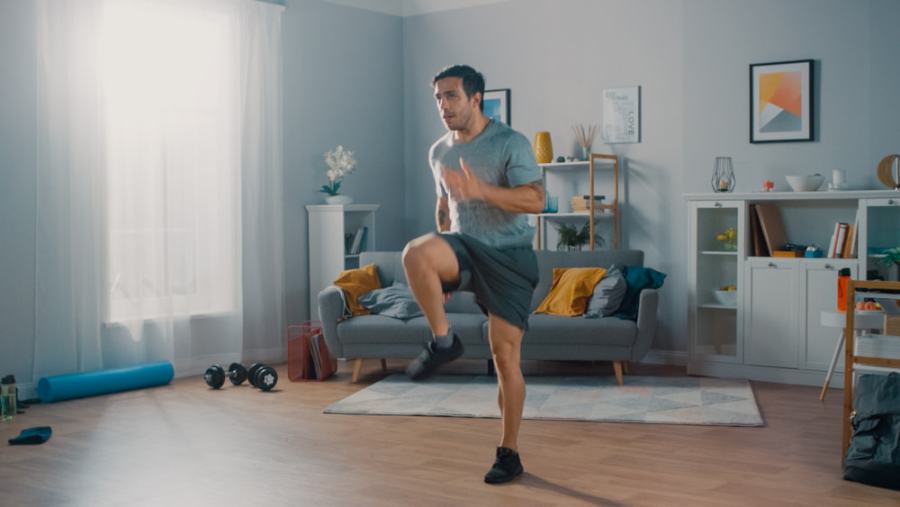
Studies by Beliard et al. (2023) and Gwon-Min et al. (2024) highlight that varicose veins can worsen over time if not managed properly. They also emphasize the importance of adjusting exercise routines to accommodate the condition, focusing on low-impact activities that reduce strain on the veins.
Managing varicose veins is crucial to maintaining physical fitness and preventing further complications. By understanding how varicose veins affect the body during exercise, individuals can take steps to protect their health while staying active.
Managing Varicose Veins While Maintaining Fitness
Staying healthy while managing varicose veins requires both preventative measures and strategic exercise choices. One effective method to alleviate symptoms is wearing compression stockings; they help improve blood flow in the legs and reduce swelling during physical activity, thus alleviating discomfort during exercise. Hydration is also key as it supports overall circulation and can prevent vein-related issues from worsening further.
Low-impact exercise activities tend to be safer for people living with varicose veins, such as walking, swimming and cycling. These low-impact activities promote circulation while not placing undue strain on veins; strengthening exercises such as calf raises and leg stretches may also be useful in maintaining muscle tone while supporting vein health. High-impact activities such as running or weight lifting should be approached carefully if symptoms are severe.
Before initiating or altering any fitness regime, it’s advisable to seek medical advice first, particularly if varicose veins are present. Healthcare providers can guide you on the appropriate exercises and preventative measures tailored specifically for your condition; in some instances they may even suggest treatments which could improve your ability to remain active without experiencing pain.
By taking preventive steps and engaging in safe exercise practices, those living with varicose veins can maintain fitness levels while lowering the risk of complications. Regular check-ins with healthcare providers will ensure your approach remains both effective and safe.
Treatment Options and Fitness Recovery
Varicose veins can be treated in various ways, with two common approaches being sclerotherapy and endovenous laser therapy. Sclerotherapy involves injecting a solution directly into a vein in order to cause it to close down and eventually fade, while endovenous laser therapy uses laser energy to seal off affected veins, providing relief from symptoms.
For those seeking expert care, a vein specialists in Naples can provide treatments like sclerotherapy or endovenous laser therapy, which can significantly improve physical performance after recovery by reducing pain and swelling. Many patients find that they can return to their regular fitness routines without the discomfort that varicose veins previously caused.
Recovery times depend on the treatment. Sclerotherapy typically requires one or two days, while endovenous laser therapy could take more time. It’s essential to gradually resume physical activity during recovery, beginning with low-impact exercises before increasing intensity gradually in order to avoid complications and ensure proper vein healing.
Advanced treatment options continue to evolve, offering more effective and less invasive solutions for varicose veins. According to research by Menegatti and colleagues (2022), ongoing research is focused on enhancing these treatments to minimise recovery time and improve long-term outcomes.
By choosing the right treatment and following a careful recovery plan, individuals can regain their physical fitness and reduce the impact of varicose veins on their daily lives.
Varicose Veins in Military and High-Demand Roles
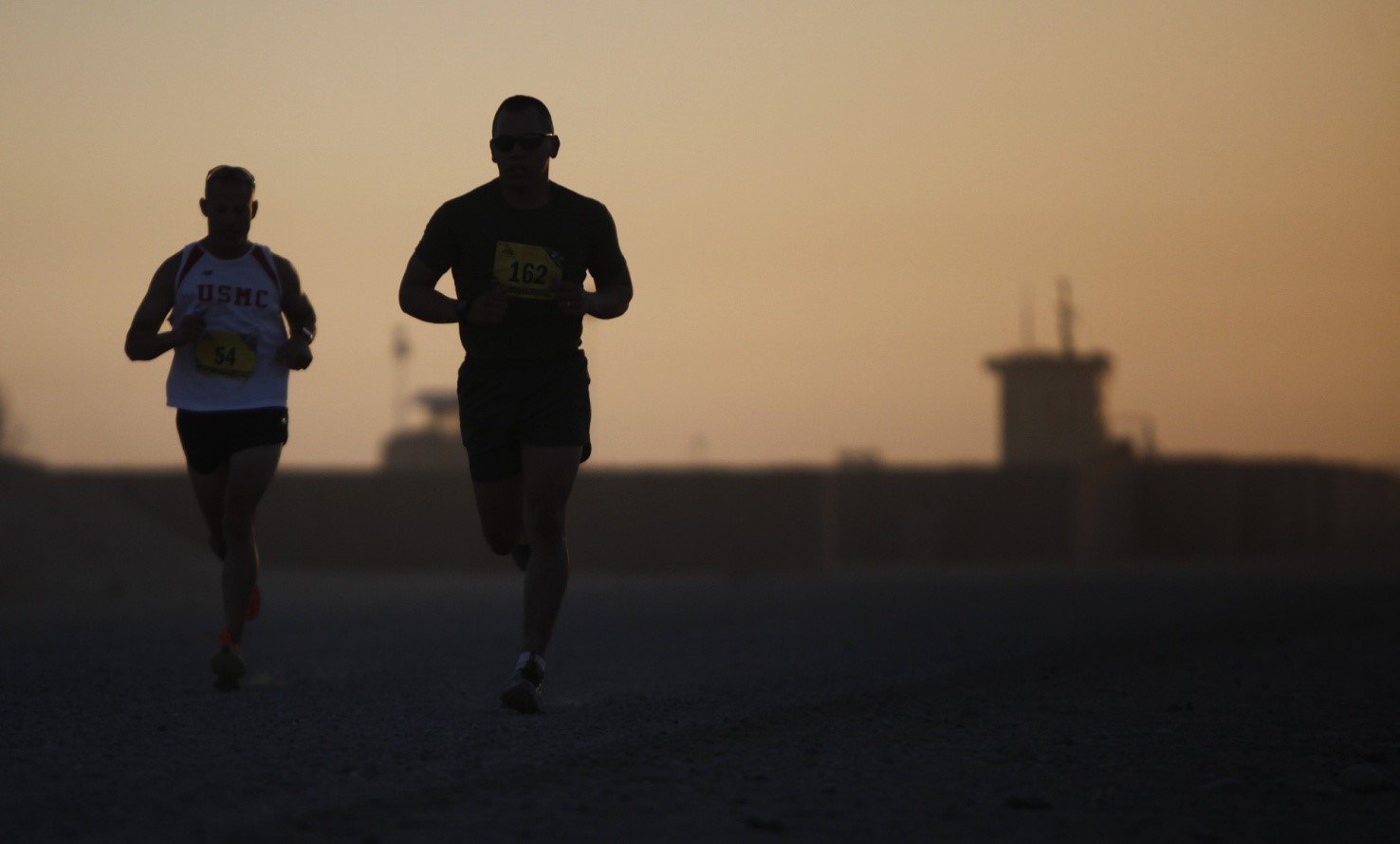
Military personnel face unique challenges when dealing with varicose veins. The physical demands of military service, including long periods of standing, heavy lifting, and strenuous exercise, can exacerbate the condition. Varicose veins can impair operational readiness by causing pain, swelling, and fatigue, which may reduce a soldier’s ability to perform essential duties. Maintaining strict physical standards is critical in the military, and varicose veins can hinder meeting these requirements.
DOD Instruction 6130.4 (US military) and JSP 950 (UK military) outline the medical standards for enlistment and retention, emphasizing the importance of addressing medical conditions like varicose veins that can impact performance. Early detection and treatment are vital strategies for managing varicose veins in military settings. This includes regular medical check-ups, wearing compression gear, and seeking appropriate medical interventions when necessary.
By staying proactive and following medical advice, military personnel can manage varicose veins effectively and continue to meet the high physical demands of their roles.
Summary
Maintaining optimal fitness levels requires taking measures to address varicose veins, particularly for individuals in physically demanding roles like military service. By early detection, treatment, and preventative measures individuals can lessen the impact of varicose veins on their physical performance.
Active steps such as wearing compression stockings, staying hydrated, and engaging in low-impact exercises can be taken to help decrease symptoms and enhance overall health. Anyone affected by varicose veins should seek medical advice as soon as they suspect symptoms and implement an individualised fitness plan to remain active and healthy – prioritising vein health not only enhances fitness but can prevent complications that could interfere with daily life.


 Boot Camp & Military Fitness Institute