
Introduction
Varicose veins, commonly found in the legs, occur when valves in the veins weaken, leading to pooled blood in the veins and swelling them out. Varicose veins are frequently encountered by soldiers and military personnel due to physical demands associated with their duties – long periods of standing, carrying heavy loads, or engaging in intense physical activity can all increase the likelihood of varicose veins appearing.
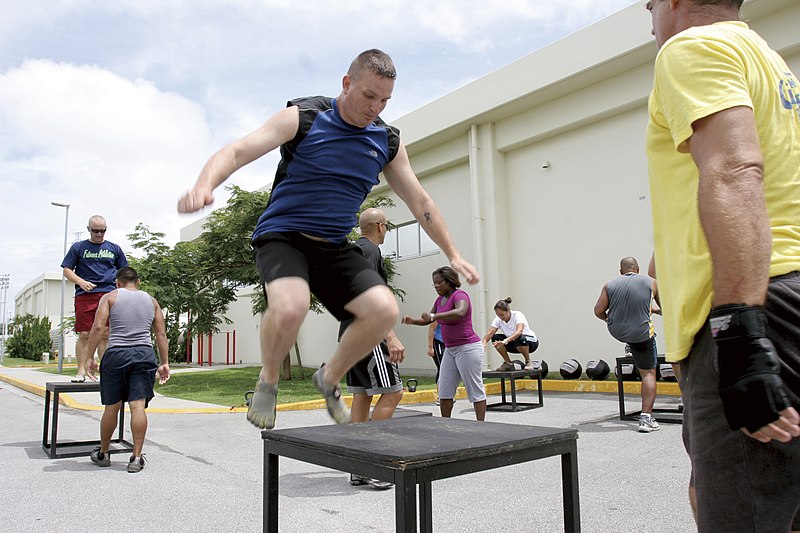
Soldiers suffering from varicose veins must focus on recovery in order to meet the physical demands of military service, as this condition can impede performance and inhibit physical readiness. Untreated varicose veins could significantly impair performance.
This article presents practical recovery tips tailored specifically for soldiers living with varicose veins. By following these suggestions, soldiers can manage their symptoms effectively, recover quickly, and return to full duty without disruption to physical fitness and readiness.
The second of three articles on the topic of varicose veins (article 01 and article 03).
Understanding Varicose Veins in Soldiers
Varicose veins are enlarged, twisted veins that develop when the valves in the veins fail to function properly. This causes blood to pool in the veins, leading to swelling and discomfort. In soldiers, varicose veins are often caused by the physical demands of military service. Activities like prolonged standing during drills, carrying heavy equipment, and repetitive strain from marching or running can increase pressure in the veins and contribute to their development.
Military duties often necessitate soldiers standing for extended periods, which can contribute to varicose veins forming in their feet. Pressure from heavy gear and repetitive movements further worsen the situation and may eventually result in pain, swelling, or more serious health complications if left untreated.
A 1942 article by Eric l. Farquharson, then a major in the Royal Army Medical Corps (RMAC) highlights the connection between military service and the increased risk of varicose veins.
Challenges Faced by Soldiers with Varicose Veins
Soldiers living with varicose veins face unique obstacles that can compromise both performance and readiness. Pain is often an issue, making physically demanding tasks such as marching, running, or lifting heavy equipment more difficult to accomplish. Furthermore, this pain may cause mobility issues by making legs feel heavy, swollen, or weaker, restricting how efficiently soldiers move about.
Varicose veins can also impact a soldier’s operational readiness. Physical performance is key in the military, and varicose veins can hinder a soldier’s ability to meet the required fitness standards. Prolonged standing, strenuous exercise, and other physical demands can worsen the condition, potentially leading to more severe health issues like blood clots. As noted in the British Medical Journal, varicose veins can undermine a soldier’s efficiency by requiring treatment and recovery time, which may interfere with training and deployment schedules.
In summary, the presence of varicose veins in soldiers presents both physical and operational challenges. Proper management of the condition is essential to ensure that soldiers can maintain their fitness levels and continue to meet the demands of their duties effectively.
Preventative Measures for Soldiers
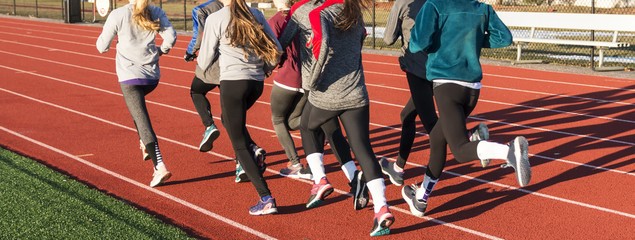
Preventing varicose veins for soldiers is especially crucial due to the physical demands of military service, with one effective preventative measure being compression stockings which increase circulation in legs, helping reduce chances of blood pooling in veins. Soldiers should also focus on maintaining proper posture during activities so as not to put undue strain on veins; taking breaks when standing for extended periods and elevating legs may also help stop this condition worsening further.
Staying hydrated is key for maintaining vein health, as consuming enough water helps ensure good circulation and reduce the risk of varicose veins. A diet rich in fibre, vitamins, and minerals also plays an essential role. Foods rich in antioxidants that contain less salt can reduce inflammation while helping prevent swelling.
Incorporating regular leg exercises into daily routines is another way to prevent varicose veins. Simple exercises like calf raises, ankle rotations, and leg stretches can be performed even in a military setting. These exercises promote blood flow and strengthen the muscles that support the veins, helping to prevent the development of varicose veins.
According to Medscape, a website for healthcare professional, these preventative measures are especially important for individuals in physically demanding roles like the military. By taking proactive steps to protect their vein health, soldiers can reduce the risk of varicose veins and maintain their physical readiness for duty.
Treatment Options Available for Soldiers
Soldiers suffering from varicose veins have several effective treatments at their disposal, including Sclerotherapy – where a solution is injected directly into the affected veins to cause them to collapse and eventually fade away. This minimally-invasive process usually only requires minimal downtime – making it suitable for military personnel who must return quickly back into duty.
Endovenous laser therapy (EVLT), another popular solution, uses laser energy to close off problem veins with minimally invasive and quick recovery time; soldiers can resume physical activities within days after treatment. Both sclerotherapy and EVLT can effectively relieve symptoms while improving overall vein health without lengthy recuperation periods.

Radiofrequency ablation provides similar benefits, using heat to close off varicose veins. As these minimally invasive procedures can be completed quickly and allow for quick recovery timeframes, they make this ideal for military life and scheduling needs.
According to treatment guidelines from the Veterans Health Library, it is important for soldiers to follow post-treatment care instructions to ensure the best outcomes. This includes wearing compression stockings, avoiding strenuous activities for a short period, and attending follow-up appointments to monitor progress. By choosing the right treatment and adhering to these guidelines, soldiers can effectively manage varicose veins and maintain their physical readiness.
Recovery Tips for Soldiers
Soldiers recovering from varicose vein treatment must focus on taking an incremental approach to recovery to ensure they return to full duty without complications. Low-impact exercises such as walking and swimming may help promote blood circulation without placing too much strain on legs, while gradually increasing intensity over time can help rehabilitate strength while avoiding overexertion.
Ongoing medical advice is crucial during the recovery process. Soldiers should attend all scheduled follow-up appointments to track their progress and ensure the treatment plan is successful. Wearing compression stockings recommended by healthcare providers can also aid recovery by increasing blood flow and decreasing swelling.
Exercise routine that strengthens vein-surrounded muscles while improving circulation can be added safely into a daily routine for maximum healing results. Calf raises and gentle leg stretches are both safe to perform during recovery phase as they help strengthen vein muscles around veins, increasing their strength.
Insights from the Journal of Vascular Surgery highlight the importance of staying active during recovery, but with caution. It’s essential to listen to your body and avoid pushing too hard too soon.By following these recovery tips and working closely with medical professionals, soldiers can effectively manage their recovery and return to their duties with improved vein health.
Long-Term Management and Monitoring
Long-term management of varicose veins is essential for soldiers to maintain their fitness and health. Regular check-ups with a healthcare provider are crucial for monitoring vein health and catching any signs of recurrence early. Lifestyle adjustments, such as staying active, maintaining a healthy weight, and avoiding prolonged standing, can help prevent varicose veins from returning or worsening.
Soldiers should remain vigilant for symptoms like pain, swelling, or changes in their veins, as these could indicate a recurrence. Seeking medical attention promptly if symptoms reappear is vital to ensure that the condition does not interfere with military duties.
Maintaining both physical fitness and vein health is key to readiness for military service. For those looking for expert care, consulting a vein specialist is important. You can find specialised care at this vein specialists in Houston, ensuring that vein health is prioritised alongside overall fitness.
Summary
In summary, managing varicose veins is vital for soldiers to maintain their physical fitness and readiness for duty. Early detection and treatment, combined with proper recovery strategies, can help prevent the condition from impacting operational performance. Proactive measures, such as wearing compression stockings, staying active, and following a healthy diet, are essential for reducing the risk of varicose veins.
Soldiers should prioritise their vein health by seeking early treatment and adhering to medical advice throughout the recovery process. Regular check-ups and ongoing lifestyle adjustments can also help prevent the recurrence of varicose veins. By taking these steps, soldiers can ensure that they remain physically prepared for the demands of military service.
For more detailed guidance on managing varicose veins, consult a healthcare professional or visit resources like the Veterans Health Library.


 Boot Camp & Military Fitness Institute