
Introduction
A 2022 study by Daniel Dyball and colleagues relating to UK military personnel found that sustaining a combat injury was linked to a 46-67% higher likelihood of reporting symptoms of PTSD, depression, and anxiety compared to personnel who were not injured. This statistic underscores the interrelation of mental and physical health among military personnel and stresses the crucial concept that is holistic well-being or wellness.
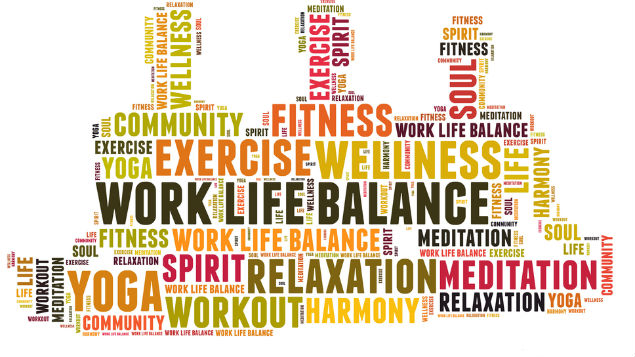
Holistic wellness in the military extends far beyond physical fitness. It includes physical, mental, and emotional health, all of which are crucial for military personnel to perform their duties effectively. Ensuring that military personnel are not only physically fit but also mentally resilient and emotionally balanced demands a comprehensive approach to healthcare. Here, collaborative healthcare becomes essential, as it brings together various healthcare professionals to address the full spectrum of an individual’s well-being.
The military environment is exceptionally demanding, especially on operations, and the health needs of soldiers are complex and varied. Therefore, to meet these needs, a collaborative approach is required – one that integrates different healthcare disciplines to provide well-rounded care.
This approach supports physical fitness alongside fostering mental and emotional health. By working together, healthcare professionals provide soldiers with the care they need to remain healthy and ready for duty.
Collaborative Military Healthcare
Collaborative healthcare brings together various healthcare professionals – including as doctors, physiotherapists, psychologists, and nurses – to work in unison, providing a comprehensive care plan tailored to the specific needs of soldiers. This team-based approach ensures that all aspects of a soldier’s health are considered, from routine fitness assessments and injury prevention to mental health support and stress management.
Nurses play a crucial role in this collaborative model, often acting as the linchpin in coordinating care and providing continuous support. Their responsibilities go beyond basic medical care; they are deeply involved in health promotion, patient education, and emotional support. Nurses are often the most consistent point of contact for soldiers, allowing them to build trusting relationships and provide personalised care. They work closely with doctors, mental health professionals, dietitians, and physical therapists to offer soldiers comprehensive care. Their role entails understanding and meeting soldiers’ overall health needs.
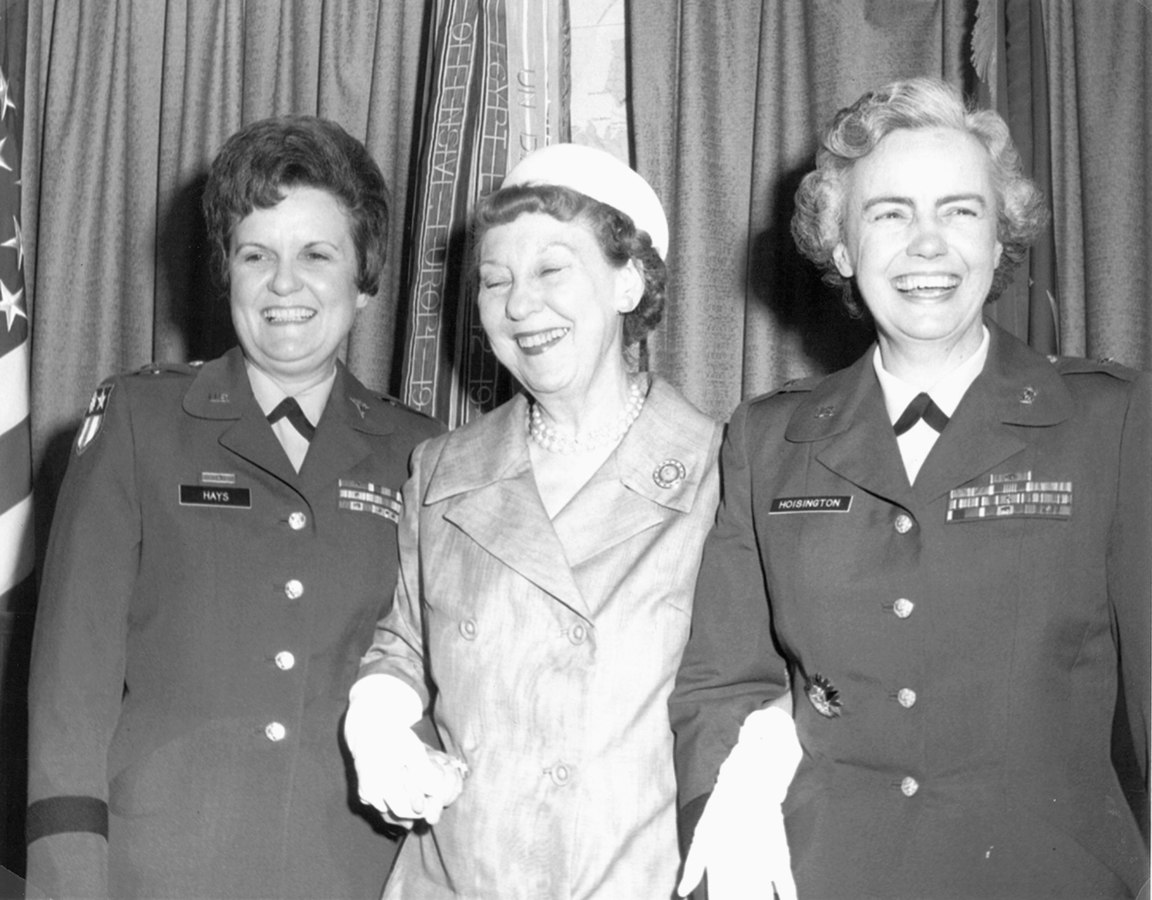
In the context of military care, nurses must upskill and continue their education due to the specialised and dynamic nature of their work. Military healthcare settings often involve unique challenges, such as treating combat-related injuries, managing mental health conditions like PTSD, and addressing the complex needs of service members transitioning to civilian life. As medical practices and technologies evolve, nurses must stay current with the latest developments to provide the best possible care. Continuing education enables them to handle these specific demands effectively. Accelerated Bachelor of Science (ABSN) programmes provide nurses with the knowledge and skills required to manage the complex health needs of soldiers. They are designed to be intensive so that students can complete their education quickly while still gaining a deep understanding of nursing practices. Nurses who earn such advanced education are well-prepared to take on the challenges of military healthcare.
Integrating Physical Fitness with Mental Healthcare
Physical fitness is a critical component of military readiness, but it is closely interconnected with mental health. Physically fit soldiers are better equipped to handle the mental and emotional challenges of military life. However, without proper mental health support, even the fittest soldiers can struggle. That is why integrating mental healthcare into fitness routines is essential. Sadly, deteriorating mental health is a concern among military personnel. In the British Armed Forces, depression is the most prevalent recorded mental health disorder.
Incorporating mental health services into physical fitness programmes can take various forms. It might involve resilience training, stress management techniques, or providing access to mental health professionals who can support soldiers in managing the psychological demands of their roles. For example, regular check-ins with mental health professionals can help identify early signs of stress or anxiety, allowing for timely intervention.
The Role of Dietitians in Holistic Soldier Wellness
Dietitians play a crucial role in maintaining and enhancing the health of soldiers. Proper nutrition is essential for physical fitness, recovery, and overall health, and dietitians are the experts who help soldiers receive these necessary nutrients. They work closely with other healthcare professionals to develop meal plans that support the specific needs of soldiers, whether they are in training, recovering from an injury, or deployed in challenging environments.
The role of dietitians extends beyond merely planning meals. They educate soldiers on the importance of nutrition and how it impacts their performance and recovery. For instance, a dietitian might collaborate with a physical therapist to develop a diet that supports muscle recovery after an injury. Alternatively, they might work with mental health professionals to ensure that soldiers are receiving the nutrients that support mental clarity and emotional balance. Through these collaborative efforts, dietitians help soldiers remain well-nourished and ready to meet the physical and mental demands of military service.

The Importance of Rehabilitation and Physical Therapy
Rehabilitation and physical therapy are vital components of maintaining a soldier’s physical fitness, particularly following an injury or surgery. In the military, physical demands are high, and injuries can range from minor strains to severe conditions requiring long-term recovery. Physical therapists play a critical role in helping soldiers regain their strength, mobility, and overall fitness so they return to duty as quickly and safely as possible. Rehabilitation entails more than treating the injury – it focuses on restoring the soldier to their previous level of function or even improving upon it.
Collaboration between physical therapists, doctors, and other healthcare providers is essential for effective rehabilitation. A comprehensive rehabilitation plan might include physical therapy exercises, nutritional support, and psychological counselling to address both the physical and mental aspects of recovery. For example, a physical therapist might collaborate with a dietitian to work together on providing soldiers with the nutrients needed to support muscle recovery and reduce inflammation.
Simultaneously, mental health professionals might be involved to help the soldier cope with the emotional stress of being sidelined from their duties. This collaborative approach addresses all aspects of the soldier’s health and, in turn, leads to a more complete and successful recovery.
Peer Support Networks for Holistic Wellness
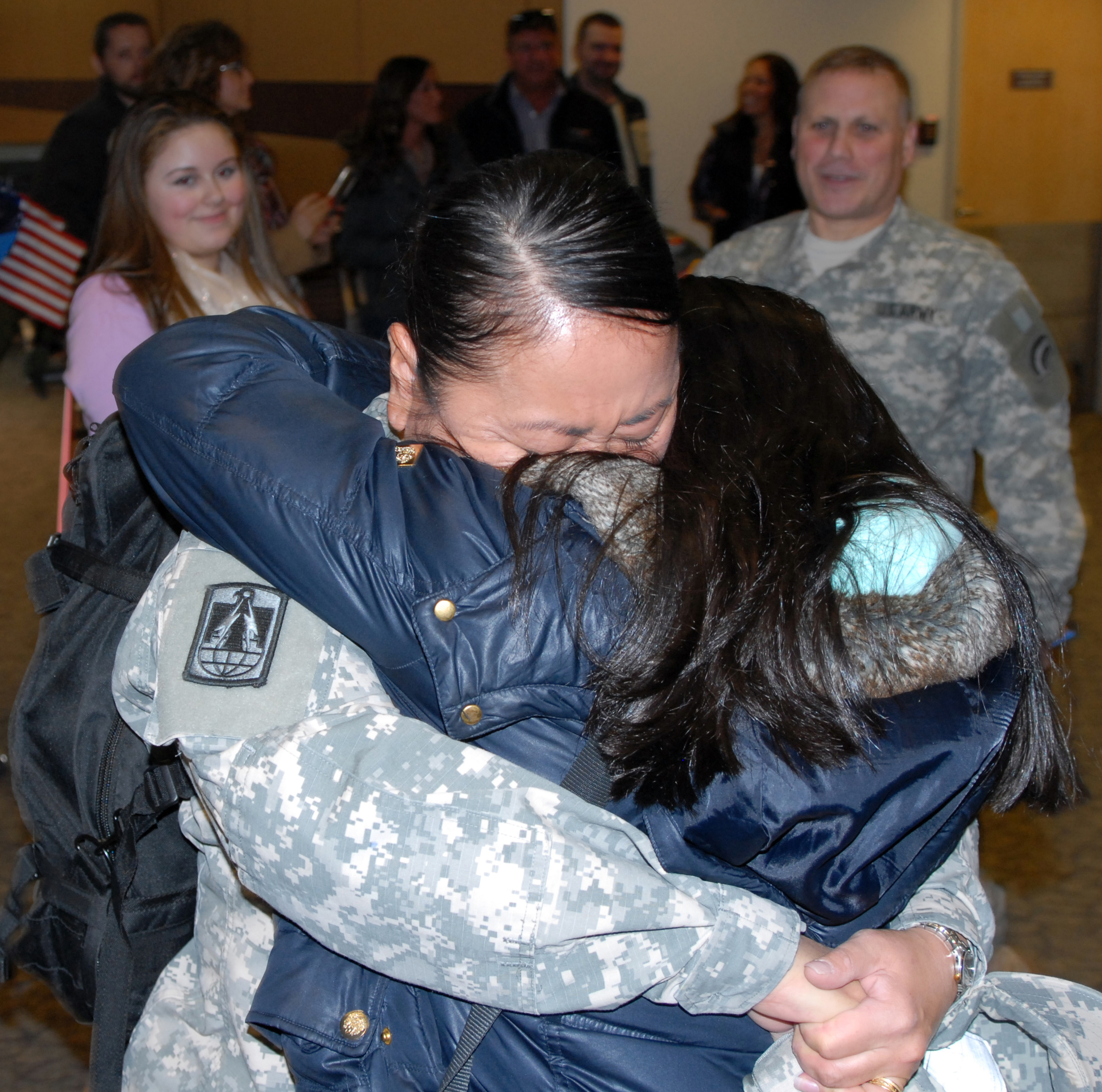
Peer support networks play a vital role in ensuring holistic wellness among soldiers. While professional healthcare is crucial, the support and understanding that soldiers can provide to one another is invaluable. These networks encourage camaraderie, which helps soldiers navigate the physical and mental challenges of military life. Sharing experiences and offering mutual support can significantly reduce feelings of isolation and stress.
In a peer support network, soldiers are encouraged to look out for one another’s well-being, noticing changes in behaviour or physical health that may indicate a need for professional intervention. Such networks can also foster open conversations about mental health and, ultimately, reduce the stigma that often surrounds seeking help. Soldiers who feel supported by their peers are more likely to engage in wellness programmes, follow through on healthcare recommendations, and maintain their overall health.
Emphasising the Importance of Sleep for Soldiers
Sleep is a crucial element in maintaining a soldier’s overall wellness. Adequate rest is not just about recovery, it directly impacts physical performance, mental clarity, and emotional stability. Without proper sleep, soldiers may suffer from fatigue, reduced concentration, and slower reaction times, which can significantly affect their ability to perform in demanding situations. Chronic sleep deprivation can also lead to long-term health issues, making it vital to address sleep as part of a comprehensive wellness programme.
Integrating sleep education into wellness programmes can help soldiers understand the importance of rest and recovery. It could involve teaching strategies such as establishing regular sleep routines, creating a sleep-friendly environment, and managing stress to improve sleep quality. Encouraging soldiers to prioritise sleep, even in challenging conditions, can lead to improved performance, better decision-making, and enhanced overall health.
Building a Comprehensive Wellness Programme for Soldiers
A comprehensive wellness programme for soldiers is crucial for maintaining their overall health and readiness. Such a programme goes beyond physical training; it involves a holistic approach that includes physical fitness, mental health, nutrition, and recovery. These programmes are designed to be proactive, as they address potential health issues before they become critical and help soldiers maintain optimal health. A well-rounded wellness programme considers the unique demands of military life and equips soldiers with the tools they need to stay healthy and resilient.
Creating an effective wellness programme requires input from various healthcare professionals. Nurses, dietitians, mental health experts, and physical therapists all contribute their expertise to develop a programme that meets the diverse needs of soldiers. For example, a nurse might coordinate regular health screenings to detect early signs of illness, while a dietitian could create meal plans that support both physical performance and mental clarity. Mental health professionals might offer resilience training and stress management workshops, while physical therapists help maintain their physical fitness through targeted exercise routines.
Summary
Collaborative healthcare is vital for ensuring holistic wellness in military personnel. The long-term benefits of such an integrated approach are evident: healthier, more resilient soldiers who are prepared to meet the challenges of military life.


 Boot Camp & Military Fitness Institute