
Introduction
Keeping your body flexible is key for dodging (aka reducing the likelihood of) injuries, maintaining good posture, and ensuring smooth joint movements. Being ‘flexible’ facilitates your muscles to work effectively without straining.

Flexibility also helps with blood circulation, delivering much-needed oxygen and nutrients to your body, which can speed up recovery after workouts and reduce muscle soreness.
Performing exercises that can improve flexibility is like oiling the hinges of a door, they help to keep your body moving freely. So, let us take a look at three types of exercises you could perform, and how to get started with each.
Try Supplements That Support Your Joints
Before we look at the exercises you can perform, it is worth mentioning that taking joint support supplements could be a good idea.
Supplements, at least for quality suppliers, are all about promoting the health of your joints in a natural way, targeting everything from cartilage to bones – and, therefore, ultimately enabling your body to become more flexible over time (making daily activities easier and reducing the risk of injury).
1. Pre and Post-Workout Stretches
You probably know that stretching before engaging in athletic activity helps you to prepare your muscles and stretching afterwards can help to reduce or prevent injury. Pre and post-workout stretches are excellent for improving flexibility. So, here are a few of the best options you can get started with.
Forward Lunge
This stretching exercise involves kneeling on one leg while keeping the other straight but at an angle. While keeping your back straight, lunge forward and hold the position for five seconds. Repeat between three and six times. Then repeat the exercise with the other leg.
Side Lunge
To perform a side lunge, stand with your legs apart and bend the left knee as you lean toward the left. Make sure you keep your back straight and your right leg straight. Again, hold the position for five seconds, repeat three to six times, and then do the same with your left leg.
Knees to Chest
Static stretching, such as touching your toes, can be good for loosening up and aiding flexibility, but dynamic stretching can be a more beneficial pre-workout. Why? Well, it prepares your body for the different movements you will be performing.
The knee-to-chest exercise is one great example of a dynamic stretching exercise. Lie on your back and bend your knees into your body. Then, grasp the tops of your knees and move them outwards. Hold the position for five seconds and repeat three to five times.
I bet some of you thought I was going to describe the explosive plyometric knees to chest exercise!
2. Resistance Band Exercises
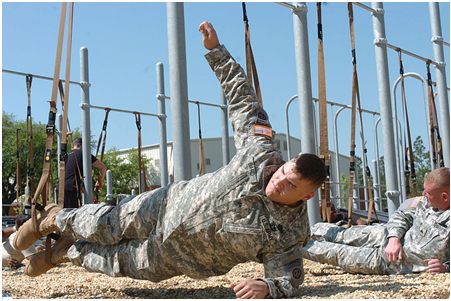
One easy thing you can do at home – or anywhere – to improve your flexibility is to use resistance bands, which are also known as stretch bands. (those stretchy things that resemble colourful giant rubber bands!). They are also great for stimulating dormant muscles.
You can work with resistance bands in a lot of different ways. To get started, try these exercises:
To improve your upper body’s strength and flexibility, hold the resistance band with both hands and pull your hands away from your body. Repeat the action several times.
To improve leg strength and flexibility, lie on the floor and hold the band in your hands. Then, wrap it around your feet and pull them apart.
3. Yoga Exercises
The ancient practice of yoga is (simplistically) all about bending and stretching in various poses – so it is undoubtedly one of the better exercise modalities to perform to improve your body’s overall flexibility.
Yoga helps to gradually loosen up your tight muscles over time – so stick with it.
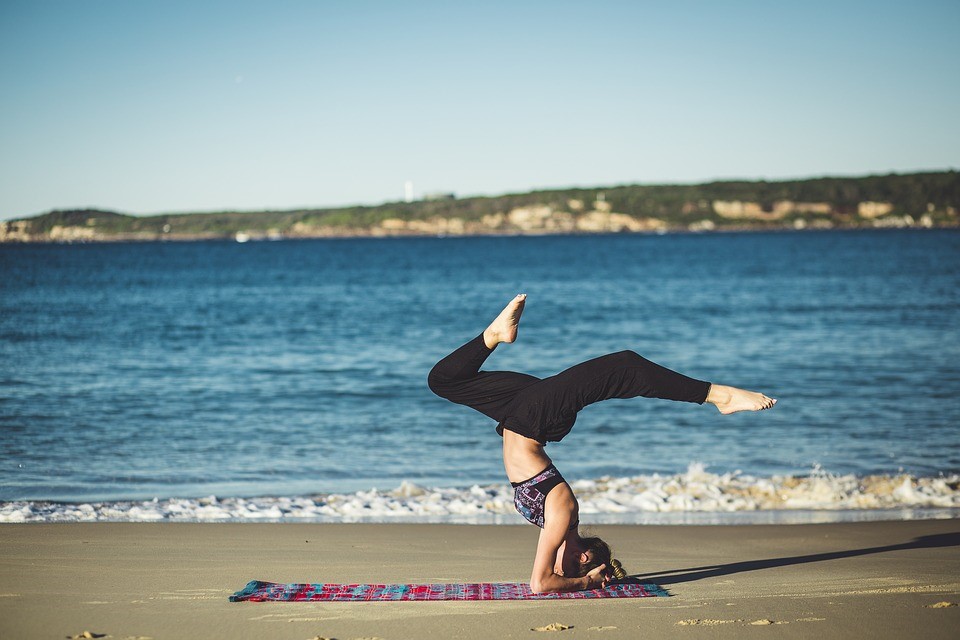
Jumping into yoga does not need to be as daunting as a handstand on your first go. Start simple: snag a comfy mat, find some chill space at home, or join a beginner’s class. As with the pre- and post workout, and resistance bands, you can find loads of useful videos online.
To get started, you might like to try these poses for enhancing flexibility.
Downward Dog
Plant your hands and feet on the mat, with your hips high – like you are an upside-down ‘V.’ Let gravity do its thing and stretch out your spine and hamstrings.
Warrior I
Step one foot back and lunge forward with the other. Then, reach for the sky with your arms up, while sinking into your front knee.
Child’s Pose
Kneel down and fold forward with your arms stretched out front. This pose will help you to stretch out your back, shoulders, and thighs.
Summary
Flexibility is an important component of sport and exercise, and should not be underestimated. Nor should it be omitted from or underutilised in your workout regime.


 Boot Camp & Military Fitness Institute