
Introduction
Disaster preparedness is a critical function of both military and municipal organisations. Effective coordination between these entities ensures rapid response, resource allocation, and public safety during emergencies. One of the most valuable assets in this collaboration is the use of fabric buildings, which offer quick deployment, durability, and adaptability.

Municipalities and military units alike require versatile municipal buildings that can serve multiple functions during disasters, such as emergency shelters, equipment storage, medical centres, and operational command posts. Fabric buildings provide an efficient, cost-effective, and scalable solution to these challenges.
This article explores the role of fabric buildings in military and municipal disaster preparedness, their advantages over traditional structures, and real-world applications that highlight their effectiveness.
The Growing Need for Disaster Preparedness
Disasters, whether natural or man-made, can have devastating consequences for communities. Hurricanes, floods, wildfires, earthquakes, and pandemics demand rapid response strategies.
Both military and municipal agencies must work together to ensure:
- Emergency Response Coordination: A unified approach to disaster management.
- Resource Allocation: Storage and distribution of essential supplies.
- Shelter and Medical Facilities: Safe, temporary housing and healthcare services.
- Logistical Support: Space for vehicles, equipment, and command centres.
Why Fabric Buildings Are Ideal for Disaster Preparedness
Fabric buildings provide unique advantages that make them essential for military and municipal disaster preparedness efforts:
1. Rapid Deployment and Setup
One of the biggest advantages of fabric buildings is their quick installation. Traditional municipal buildings take months or even years to construct, while fabric structures can be deployed within days or weeks. This rapid setup is crucial when responding to urgent crises, such as hurricanes or pandemics.
2. Cost-Effectiveness
Fabric structures cost significantly less than permanent buildings. They require fewer materials, less labour, and minimal foundation work. This makes them an ideal investment for municipalities and military units operating within budget constraints.
3. Durability and Weather Resistance
High-quality fabric buildings are engineered to withstand extreme weather conditions, including heavy snow, strong winds, and torrential rain. Military-grade structures are often designed to handle rugged environments, ensuring they remain operational in harsh conditions.
4. Versatility and Multi-Purpose Use
Fabric buildings serve multiple functions in disaster response, including:
- Emergency Shelters: Providing safe housing for displaced individuals.
- Field Hospitals: Offering medical aid to disaster victims.
- Storage Facilities: Housing emergency supplies and vehicles.
- Command Centres: Coordinating rescue and recovery efforts.
5. Energy Efficiency and Sustainability
Many fabric buildings are designed with energy efficiency in mind. They incorporate natural lighting, ventilation, and solar-compatible structures, reducing reliance on external power sources. This is particularly beneficial in disaster-stricken areas with limited energy availability.
Military and Municipal Collaboration: A Unified Approach
To maximise disaster preparedness, military and municipal agencies must collaborate effectively. Fabric buildings play a crucial role in facilitating this partnership by providing shared infrastructure and operational spaces.
1. Shared Training Facilities
Municipal agencies and military units often conduct joint disaster preparedness drills. Fabric buildings can serve as training centres where first responders, law enforcement, and military personnel practice coordinated emergency responses.
2. Temporary Command Centres
During disasters, fabric buildings can be set up as joint command posts, allowing military and municipal leaders to strategise and communicate in real-time. These structures provide a centralised hub for decision-making, ensuring a well-coordinated response.
3. Emergency Housing for Personnel and Victims
Disaster-stricken areas often require temporary housing for evacuees, first responders, and military personnel. Fabric shelters offer scalable solutions that can be quickly expanded or relocated as needed.
4. Equipment and Supply Storage
Municipalities and military units require large, secure storage areas for emergency supplies, vehicles, and relief goods. Fabric structures provide weatherproof storage facilities that can be quickly accessed when disaster strikes.
5. Medical and Field Hospitals
Military medical teams and municipal healthcare services can collaborate using fabric buildings as field hospitals. These structures can be equipped with life-saving medical equipment, triage stations, and quarantine areas for disease control.
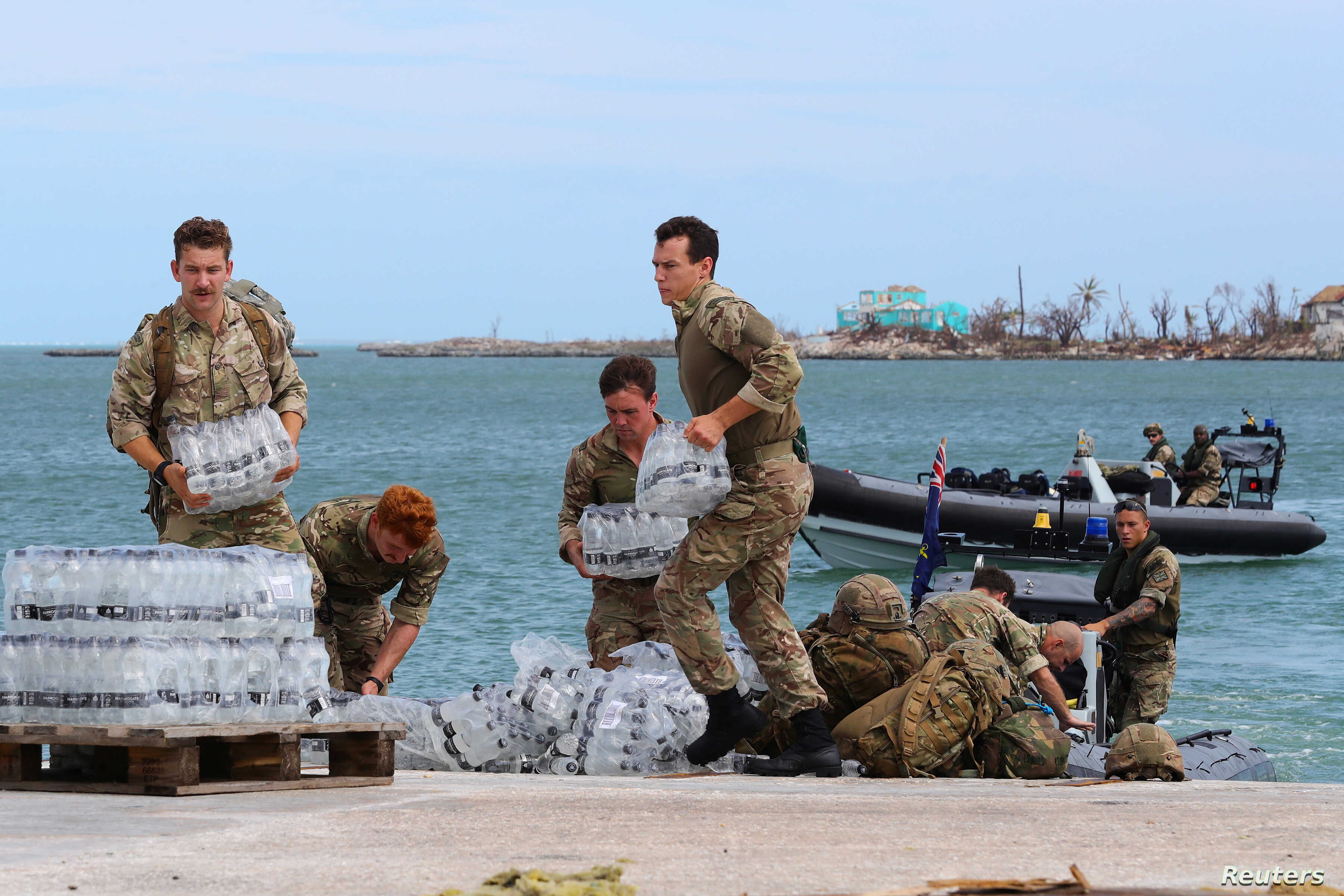
Case Studies: Fabric Buildings in Action
1. Hurricane Katrina Relief Efforts
During Hurricane Katrina, emergency responders relied on temporary structures to house evacuees and store essential supplies. Fabric buildings were deployed rapidly, helping to coordinate relief efforts and provide shelter to those affected.
2. COVID-19 Field Hospitals
During the pandemic, fabric buildings were widely used as temporary medical facilities. Many cities and military units set up rapid-deployment hospitals to accommodate overflow patients, demonstrating the adaptability of these structures.
3. Military Disaster Response in Flood-Prone Areas
In flood-prone regions, military engineers have used fabric buildings as emergency response centres. These structures offer a reliable base of operations while withstanding harsh weather conditions.
How Municipalities Can Implement Fabric Buildings for Disaster Preparedness
Municipalities looking to enhance their disaster preparedness strategies should consider the following steps when investing in fabric buildings:
1. Assess Disaster Risk and Requirements
Identify potential disaster risks (e.g. hurricanes, floods, earthquakes) and determine the required infrastructure to mitigate these threats.
2. Partner with Military and Emergency Agencies
Work with military units, FEMA (the Federal Emergency Management Agency), and emergency response teams to coordinate disaster preparedness plans using fabric buildings.
3. Conduct Regular Training and Drills
Ensure municipal and military personnel are trained in setting up and operating fabric buildings during emergency situations.
4. Maintain and Upgrade Infrastructure
Regular maintenance ensures fabric buildings remain functional and ready for deployment when disaster strikes.
Summary
The collaboration between military and municipal agencies is essential for effective disaster preparedness. Fabric buildings play a critical role in this partnership, offering rapid deployment, cost-efficiency, durability, and versatility.
As climate-related disasters and emergency situations become more frequent, investing in fabric municipal buildings is a proactive step toward safeguarding communities. By incorporating these structures into disaster response plans, both military and municipal organisations can improve their readiness, ensuring a swift and effective response to any crisis.


 Boot Camp & Military Fitness Institute