
Introduction
Typically, sports therapy is seen as the profession that deals with pain and injury, providing solutions such as sports and deep tissue massage for maintenance and recovery. However, sports therapists also help those involved in sports and exercise by promoting good sports practice and techniques and therefore avoid injury.
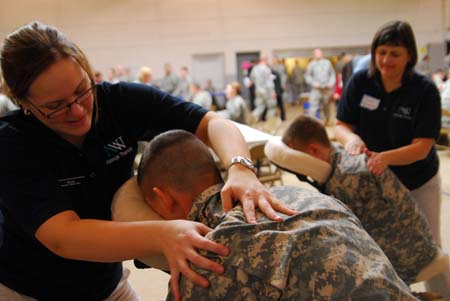
Sports therapists combine scientific knowledge and practical skills to aid sports enthusiasts, amateurs, and professionals to practice their respective sports using appropriate techniques and remain injury-free. Sports therapists also understand the role of psychological strategies during rehabilitation.
Sports Therapy versus Physiotherapy
In simple terms, sports therapists are experts in sports injury rehabilitation and physiotherapists are experts in movement/mobility rehabilitation. However, both can treat sport and musculoskeletal (MSK) injuries.
Prevention and Rehabilitation
Sports therapists work in both a prevention and rehabilitation capacity. Sports therapists provide services ranging from leisure athletes up to elite professional athletes.
In their prevention capacity, sport therapists will education athletes on injury prevention techniques, appropriate warning-up and cool-down techniques, appropriate training methods, and strategies relating to maintaining overall physical wellness.
In a their rehabilitation capacity, sport therapists will use therapeutic methods to promote healing and aid a return to sport and exercise. Therapies include soft tissue techniques, cryotherapy, thermotherapy, taping, and bracing.

Elements of the Role
As part of their role, sports therapists will undertake a variety of tasks such as sports massage, general clinical assessment, devising treatment plans, assessment and treatment of MSK conditions, and providing physical therapies. A number will be involved sporting events such as pre- and post-match routines, and touchline support during an event.
Sports therapists will generally work for or with a sports-based organisation, but there are a variety of roles in research, hospitals, clinics, and fitness centres.
Training and Qualifications
Training and qualifications for sports therapists include HNDs (in the UK) as well as various degrees.
Modules taught to students include: clinical sports massage; functional anatomy; pathology and aetiology of sports injuries; anatomy and physiology; first aid; clinical assessment; taping techniques; electrotherapy; plan and deliver exercise rehabilitation; and biomechanics and movement patterns.
Insurance
If you have insurance, whether work-based or private, it is important to check with your insurer about which treatment they will cover, and whether that treatment is covered by a sports therapist or physiotherapist.
Summary
Sports therapy is concerned with the prevention of injury and rehabilitation when an injury occurs. Prevention focuses on educating athletes and promoting proper techniques. Rehabilitation focuses on understanding, preventing and treating sports and exercise-related injuries and MSK conditions.


 Boot Camp & Military Fitness Institute