
Introduction
Varicose veins are becoming a concern among military personnel involved in high-intensity training. The physical demands of military life, including long hours of standing, heavy lifting, and intense cardiovascular activities, play a crucial role in the development of these swollen veins. While these activities are necessary for maintaining combat readiness, they can also strain the veins, leading to their weakening and eventual varicose formation.

This issue is not just cosmetic, varicose veins can cause pain, swelling, and discomfort, potentially impacting a soldier’s ability to perform at their best. The link between rigorous military training and the onset of varicose veins is clear, making it essential to explore effective prevention strategies. This article will delve into the connection between high-intensity military training and varicose veins, offering practical advice on how to prevent and manage this condition to maintain optimal vascular health.
For more information on varicose veins, you can refer to the Veterans Health Library.
The first of three linked articles (article 02 and article 03).
Understanding Varicose Veins
Varicose veins are swollen and twisted veins that most frequently appear in the legs. They develop when valves in veins that regulate blood flow toward the heart become weak or damaged and allow blood to pool in those veins, leading to their expansion and twisting. This causes blood to pool within these enlarged and twisting vessels resulting in their eventual enlargement and twisting.
Varicose veins develop for various reasons. Prolonged standing, which is common among military duties, puts increased strain on veins in the legs. Heavy lifting and high impact activities common during military training also put additional pressure on them and contribute to their formation. As such, military personnel are particularly susceptible to varicose veins.
Varicose vein symptoms include aching or throbbing pain, leg and ankle swelling, visible blue or purple veins and visible veins with blue-purple hue. These symptoms can worsen with prolonged standing or physical activity and could compromise soldier performance and disrupt mission tasks effectively.
High-Intensity Military Training: A Double-Edged Sword
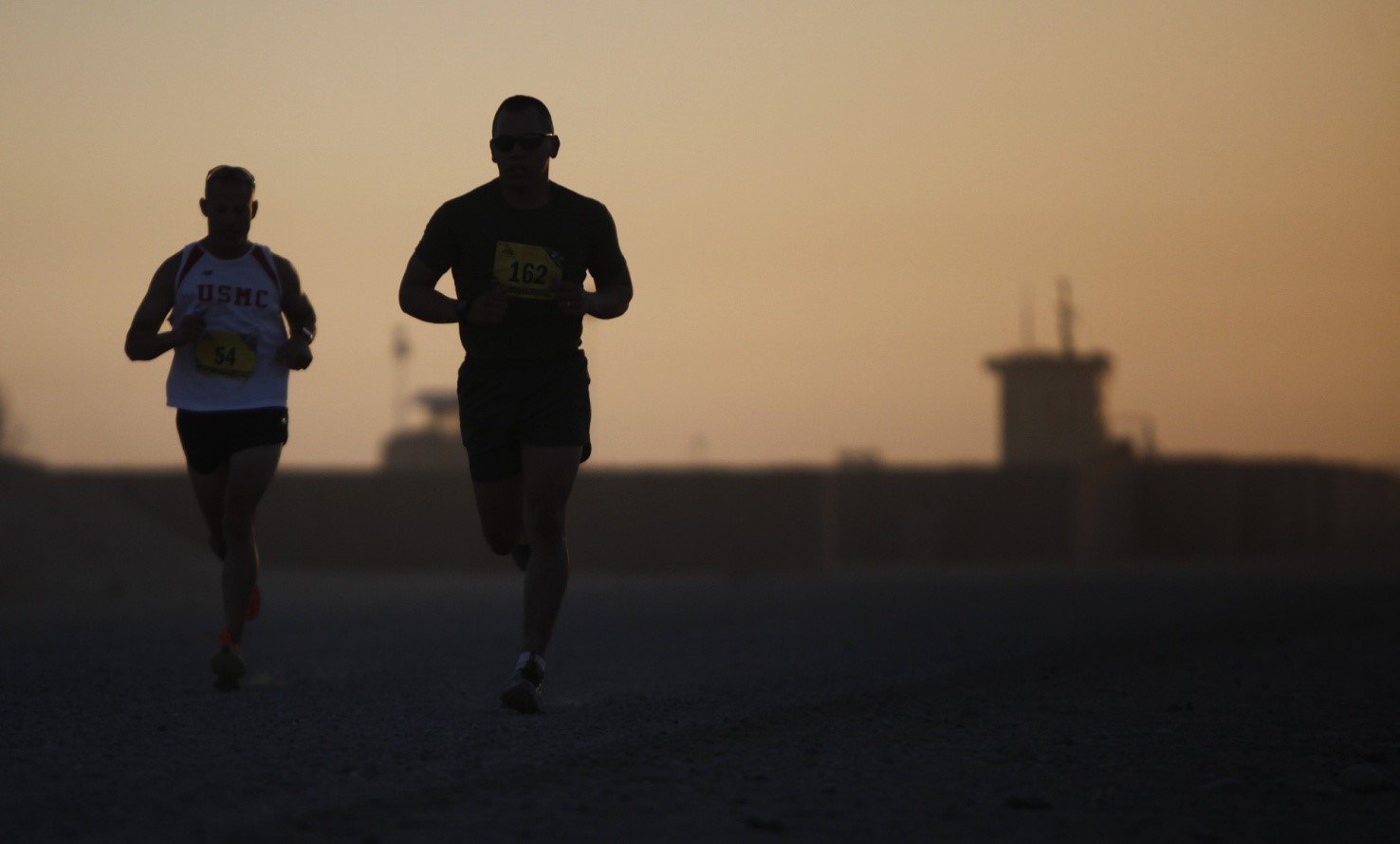
Military training can be physically taxing, involving long hours spent standing, running and carrying heavy equipment. Soldiers also engage in high-impact activities such as jumping, climbing and marching to build strength and endurance – essential elements in combat readiness that nevertheless strain both body parts, particularly legs.
Military training’s physical demands can have a detrimental effect on vascular health. Prolonged standing periods and carrying heavy loads exert pressure on veins in legs, which over time causes them to weaken, leading to varicose vein formation. Running and other high-impact exercises only worsen this situation by stressing vein walls repeatedly.
Studies have shown that military personnel are at a higher risk of developing varicose veins compared to civilians. For example, one study noted that the incidence of varicose veins among soldiers was significantly higher than in the general population . This increased risk highlights the need for awareness and prevention strategies within the military.
Moreover, varicose veins can be a sign of other vascular health issues. If left untreated, they may lead to more serious conditions such as chronic venous insufficiency or deep vein thrombosis (DVT). Early detection and management are essential to prevent these complications.
For further reading on the impact of military training on vascular health, you can refer to this NCBI resource.
Prevention Strategies for Military Personnel
Regular Monitoring and Early Detection
Regular check-ups and early detection are critical in combatting varicose veins among military personnel. Timely intervention allows for timely diagnosis, which in turn prevents it from worsening further. Self-exams where soldiers inspect their legs for visible veins or swelling are one way of monitoring vascular health while professional screenings conducted by medical staff provide more thorough evaluation and may reveal issues not visible to untrained eyes.
Exercise and Physical Fitness
Exercise plays a vital role in preventing varicose veins by strengthening the leg muscles and improving circulation. Specific exercises, such as calf raises, leg lifts, and stretching routines, can be integrated into regular military training to reduce the risk of varicose veins. These exercises focus on promoting blood flow in the legs, helping to prevent blood from pooling in the veins. Modifying training routines to include low-impact activities, such as swimming or cycling, can also reduce the strain on the veins while still providing the necessary physical conditioning.
Proper Footwear and Compression Gear
Wearing appropriate footwear and using compression socks are effective strategies for supporting circulation and decreasing the risk of varicose veins. Footwear that provides adequate arch support and cushioning helps minimise leg stress during training, while compression socks work by applying gentle pressure to legs in order to increase blood flow back towards the heart and reduce pooling in veins – they should be worn during both training and recovery periods for maximum impact.
Diet and Hydration
A balanced diet rich in fibre and proper hydration are key components in maintaining vascular health. Foods high in fibre, such as fruits, vegetables, and whole grains, help prevent constipation (which can increase pressure on the veins). Antioxidant-rich foods, like berries and leafy greens, support overall vein health. Staying hydrated is equally important, as it prevents blood from thickening and promotes smooth circulation throughout the body. Military personnel should ensure they drink enough water daily, especially during intense training sessions, to keep their circulation optimal.
For more detailed information on prevention strategies, you can visit the Veterans Health Library.
Treatment Options for Varicose Veins
Non-Invasive Treatments
For military personnel with varicose veins, non-invasive treatments are often the first line of defence. Sclerotherapy is a common procedure where a solution is injected into the affected veins, causing them to collapse and eventually fade. This treatment is effective for smaller veins and usually requires minimal downtime. Laser therapy is another option, using targeted laser light to close off varicose veins, which then shrink and are absorbed by the body over time. Both treatments are effective and allow soldiers to return to duty quickly.
Surgical Options
For more severe cases, surgical intervention may be required. Vein stripping involves extracting affected veins through small incisions while endoscopic vein surgery utilises a tiny camera to close off veins from within; both techniques are common surgical interventions when non-invasive methods have proven ineffective or when varicose veins cause significant discomfort or complications.

Case Study: A Military Health Service Perspective
Overview of Military Health Services
Military health services like those provided by Walter Reed play an invaluable role in treating varicose veins among service members. These institutions provide comprehensive care that includes early detection, non-invasive therapies and, when necessary, surgical interventions. Walter Reed in particular is equipped with cutting edge vascular surgery departments specialising in varicose vein treatment, so as to minimise downtime from military duties while offering optimal service delivery.
Success Stories and Lessons Learned
One notable success story from Walter Reed involved a programme focused on early detection and intervention for varicose veins. The program emphasized regular screenings and incorporated preventive exercises into the training regimen. As a result, there was a significant reduction in the number of soldiers requiring surgery, demonstrating the effectiveness of early intervention and targeted prevention strategies. This case highlights the importance of a proactive approach to vascular health within the military. For those seeking specialised care, you can visit the vein specialist in Largo for more information and treatment options.
Summary
Military training can lead to varicose veins. Physical demands placed upon soldiers such as long hours standing, lifting, and intense exercise all play an integral role in creating varicose veins; however, by taking proactive steps they can monitor and manage their vascular health effectively; regular check-ups, targeted exercises, appropriate footwear and diet are key strategies in preventing and controlling varicose veins.
Military personnel should prioritise vascular health by including these prevention strategies into their daily routines. Early detection and prompt treatment can prevent complications and maintain readiness for duty. Achieve long-term military effectiveness while remaining healthy are crucially important. Taking these steps will ensure soldiers remain fit, healthy and ready to face whatever challenges lie ahead of them.


 Boot Camp & Military Fitness Institute