
Introduction
Military traditions are deeply rooted in history, with some dating back thousands of years. These traditions shape the way soldiers interact, train, and operate. They create a sense of identity and pride within the military.
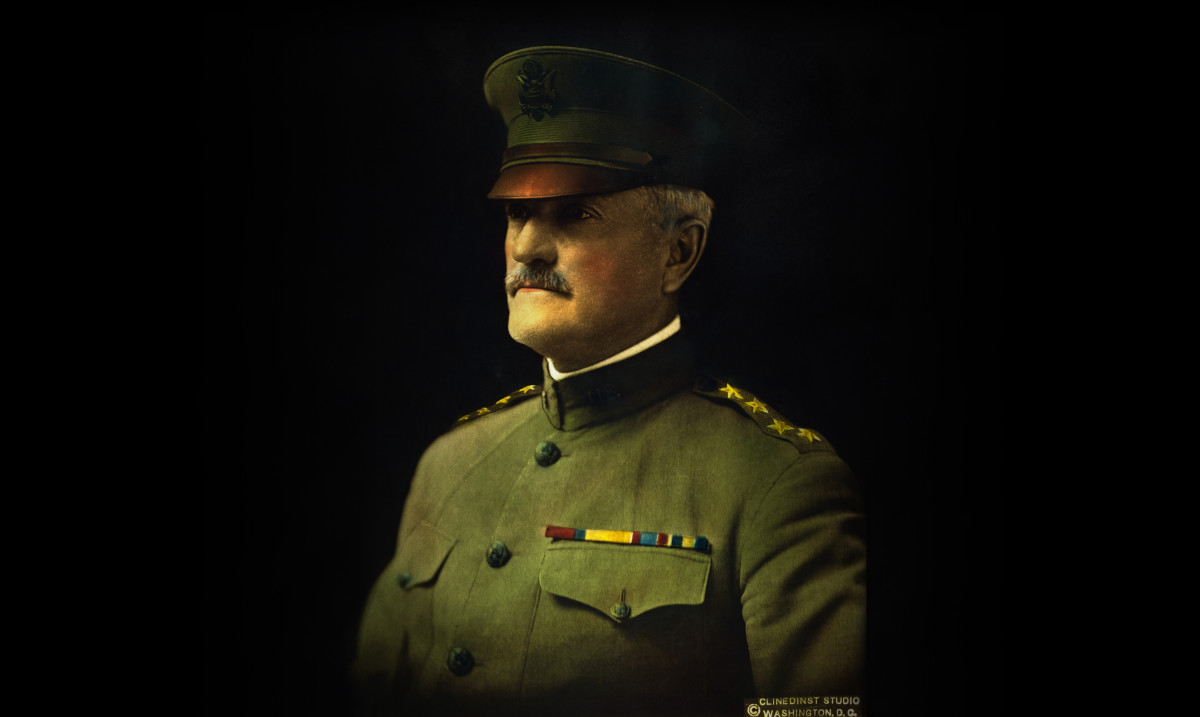
One famous quote by General John J. Pershing encapsulates the importance of military traditions:
“A competent leader can get efficient service from poor troops, while, on the contrary, an incapable leader can demoralize the best of troops.”
This article aims to explain how military traditions play a vital role in maintaining discipline, boosting morale, and fostering unity within today’s armed forces.
We will briefly explore the history, key traditions, modern adaptations, and their impact on combat and training.
The Historical Roots of Military Traditions
Military traditions can be traced back to the earliest civilisations, such as ancient Egypt, Greece, and Rome. These civilisations laid the foundation for military organisation, strategy, and discipline. The Spartans, for example, were known for their rigorous training and strict codes of conduct, which shaped their success in battle.

Traditions like standing at attention and saluting can be linked to medieval times when knights raised their visors to show respect. These ancient customs have been passed down through generations, evolving into the formal practices in today’s military.
As warfare and technology advanced, military traditions evolved to meet the demands of modern armies. For example, During world war I and world war II, the military needed strict discipline and hierarchy to manage large forces.
In simple words, military traditions serve a deeper purpose. They ensure that soldiers feel connected to a shared history and values.
Key Military Traditions in Today’s Armed Forces
Uniforms and Insignia

Military uniforms and insignia are more than just attire. They symbolise rank, unit, and service branches, critical in establishing authority and hierarchy. For example, Army rank slides are an essential feature that helps identify a soldier’s rank, making it easier for troops to follow the chain of command.
Uniforms also create unity and a shared identity. Regardless of cultural or individual differences, everyone in uniform is equal, reinforcing team spirit, which is crucial in military operations.
Ceremonial Traditions
Ceremonies remain a significant part of military life. Parades, military funerals, and the changing of the guard are steeped in tradition and represent the honour and respect central to the military ethos.
For instance, military funerals honour fallen soldiers, providing closure for their families and comrades. These ceremonies pay tribute to their service and sacrifice, maintaining a tradition of respect for those who have served. Parades, too, serve as a public display of military discipline and precision, showcasing the pride soldiers have in their service.
Customs and Courtesies
Customs such as saluting, standing at attention, and military greetings are time-honoured practices that promote respect and discipline. A salute, for example, is a gesture of respect between soldiers of different ranks.

These courtesies are more than formalities. They are ingrained in the daily lives of service members, reinforcing respect for authority and peers alike. These small but important gestures maintain the military’s professional standards and contribute to cohesion.
Adapting Traditions to Modern Military Practices
Incorporating Diversity
As military forces worldwide become more diverse, traditions have adapted to include individuals of all cultures, genders, and backgrounds. The inclusion of women in combat roles and the recognition of various cultural practices within the ranks have led to the evolution of certain traditions.

For example, uniforms have been modified to accommodate religious practices such as wearing turbans or hijabs. This ensures that military traditions remain respectful and inclusive, fostering a sense of belonging for all service members.
Technology and Modern Warfare
With advancements in technology, traditions have also had to evolve. In the age of drones, cyber warfare, and advanced weaponry, how soldiers train and prepare for battle has changed.
However, the core values of discipline, teamwork, and respect for hierarchy remain intact. Even with modern tools and tactics, these traditions continue to ensure that soldiers maintain the professionalism and discipline required for success on the battlefield.
The Role of Traditions in Combat and Training
Training Routines
Traditions play a vital role in shaping rigorous training routines. From the first day of boot camp, recruits are taught to follow established customs, which instil discipline and mental toughness.
These traditions ensure that soldiers are prepared for combat challenges, reinforcing the need for precision, teamwork, and adherence to orders.
Combat Rituals
In combat, rituals help soldiers maintain focus and stay calm under pressure. Many units have specific pre-battle rituals that help strengthen camaraderie and boost morale. These rituals, such as reciting a prayer or engaging in team-building activities, give soldiers a sense of purpose and motivation.
After combat, traditions like medal awards or recognition ceremonies honour those who have displayed bravery and dedication.
Summary
Military traditions are the backbone of discipline, unity, and respect within the armed forces. They have been passed down through generations, evolving with the times while still maintaining their core values. As you reflect on these customs, it is clear that they play a vital role in shaping the identity and success of the modern military.


 Boot Camp & Military Fitness Institute