
Introduction
Military training is tough and can be hard on the body. Consequently, current and veteran personnel can feel pain after their training, which can be in the back, joints, or muscles. It can make daily tasks harder and affect overall well-being.
Physical therapy can be a big help. It offers ways to reduce pain and improve movement. This article will briefly outline how physical therapy works and how it can help those serving, or have served, our country.
Common Types of Pain during Military Training
Military training involves a lot of physical activity. This can lead to different types of pain, with some of the common ones being:
- Back Pain: Carrying heavy gear and equipment can strain the back. Long marches and rough terrain add to the problem.
- Joint Pain: Running, jumping, and other high-impact activities can hurt knees, ankles, and hips.
- Muscle Soreness: Intense workouts can make muscles sore and tight.
These pains are common but can be serious if not treated. Studies show that many military personnel experience these types of pain (Gun et al., 2021; Pang et al., 2022). It is important to address them early to prevent long-term issues.
Overview of Physical Therapy
Physical therapy helps people move better and feel less pain. It is a healthcare profession focused on assessing, diagnosing, and treating physical impairments and disabilities. The following is a brief outline of what physical therapy involves.
Manual Therapy
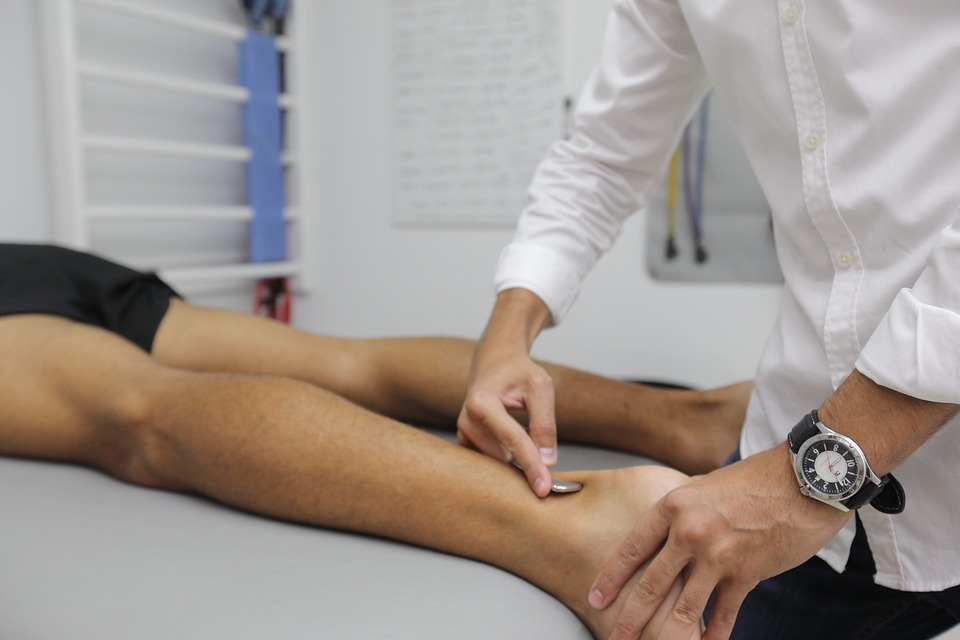
Manual therapy is a hands-on treatment used by physical therapists to relieve pain and improve mobility. It includes various techniques such as:
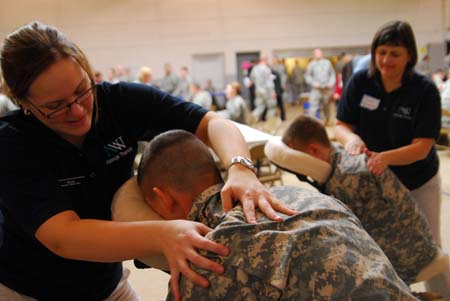
- Massage: This helps to relax tight muscles, increase blood flow, and reduce pain. Depending on the need, different types of massage, like deep tissue or Swedish, can be used.
- Joint Mobilisation: Gentle movements of the joints help increase range of motion and reduce stiffness.
- Stretching: Therapists use specific stretching techniques to improve flexibility and release muscle tension. These techniques can include static stretching (holding a stretch) and dynamic stretching (moving through a range of motion).
These techniques work together to ease muscle tension, improve joint function, and enhance overall movement.

Exercise Therapy
Exercise therapy is a core component of physical therapy that involves specially designed exercises to target specific areas of weakness or pain. Key aspects include:
- Strengthening Exercises: These exercises help build muscle strength, which supports joints and reduces pain. Examples include weight lifting, resistance band exercises, and bodyweight exercises like squats and lunges.
- Flexibility Exercises: Stretching routines improve the flexibility of muscles and joints, reducing the risk of injury. Yoga and Pilates are common examples.
- Aerobic Conditioning: Activities like walking, cycling, or swimming improve cardiovascular health and overall endurance, which can help in managing chronic pain conditions.
- Balance and Coordination Training: These exercises are particularly important for those who have suffered injuries that affect their stability. They help prevent falls and improve overall coordination.
Exercise therapy is tailored to each individual’s needs, ensuring that the exercises address their specific pain points and physical limitations.
Electrotherapy
Electrotherapy uses small electrical pulses to treat pain and promote healing. Common types of electrotherapy include:
- Transcutaneous Electrical Nerve Stimulation (TENS): This involves placing electrodes on the skin to send low-voltage electrical currents to the nerves. It helps to block pain signals and release endorphins, which are natural painkillers.
- Ultrasound Therapy: This uses sound waves to penetrate deep into the tissues, promoting blood flow and reducing inflammation and pain.
Electrotherapy is particularly beneficial for managing chronic pain and aiding the recovery of injured tissues.
The Role of Physical Therapists
Physical therapists are trained professionals who specialise in helping people recover from injuries, manage pain, and improve physical function. They create personalised plans to address specific pains and needs, ensuring that each patient receives tailored care aimed at achieving the best possible outcomes. They continually monitor progress and adjust treatments as necessary to ensure effective pain relief and functional improvement.
Benefits of Physical Therapy for Military Personnel
Physical therapy offers many benefits for those in the military:
- Pain Reduction: Techniques like manual therapy and electrotherapy can reduce pain.
- Improved Mobility: Exercise therapy helps improve movement and flexibility.
- Prevention of Future Injuries: Strengthening muscles and joints helps prevent injuries.
- Overall Well-Being: Reducing pain and improving movement boosts mental and physical health.
How to Get Started with Physical Therapy
If you’re experiencing pain after military training, here’s how to start with physical therapy:
- See a Doctor: First, get a check-up to understand your pain.
- Find a Physical Therapist: Look for one who specialises in military injuries.
- First Session: Expect an assessment and a personalised plan. The therapist will explain the steps and what to expect.
- Follow the Plan: Stick to the exercises and treatments recommended by your therapist.
Getting started with physical therapy treatment can make a big difference in pain relief and overall health.
Summary
Pain and all kinds of injuries after military training is common but should not be ignored. Physical therapy offers effective ways to reduce pain and improve quality of life. If you or someone you know is experiencing pain, consider contacting a physical therapist. They can help you get back to feeling your best.


 Boot Camp & Military Fitness Institute